
Blog
Which Standardized Herbal Extracts Are Best in 2026?
Choosing the best Standardized Herbal Extracts in 2026 takes more than comparing milligrams on a label. Buyers should check the plant’s Latin name, plant part, extraction method, and declared marker compounds. A 10:1 ratio alone does not prove potency or quality. Numbers need context.
The World Health Organization’s 2019 Global Report on Traditional and Complementary Medicine found that 88% of its Member States reported using traditional and complementary medicine. That figure signals broad use, not proof that every extract works. Grand View Research’s botanical extracts market report also tracks continued commercial growth, but market expansion cannot establish clinical effectiveness. Mark Blumenthal, founder and executive director of the American Botanical Council, has consistently emphasized botanical identity and quality control. Put as a practical paraphrase of his position: identify the plant correctly, then verify what is in the extract.
For this guide, “best” means transparent sourcing, reproducible marker levels, credible contaminant testing, and human evidence relevant to the intended use. Look for batch-specific certificates of analysis and methods such as chromatographic fingerprinting—not just a polished label. A certificate is useful only when its tests, limits, and laboratory are clear. That is not enough. Extracts can vary with harvest, processing, and storage, and standardization does not guarantee the same effects for every person. We will compare common options through these quality signals, while noting where evidence remains limited. Some rankings will be imperfect; the available data are uneven. That uncertainty belongs in the decision, not in the fine print.
Read more »
 By:Clara
- November 16, 2026
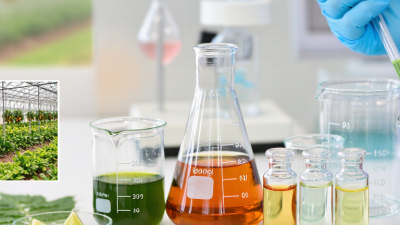
2026 Best Botanical Extracts for Pesticides for Buyers
Botanical Extracts for Pesticides are attracting buyer interest, but a plant-based label is only the beginning of the evaluation. Dr. Murray Isman, a researcher known for his work on botanical insecticides, has highlighted the value of evidence-based assessment. A practical takeaway inspired by his research—not a verbatim quotation—is: “Plant origin alone does not prove consistent field performance.”
For buyers, useful evidence starts with a clearly identified extract and a batch-specific certificate of analysis. Check the declared active constituents, concentration, formulation, and storage guidance. Then compare those details with independent trial results for the intended crop and target pest. A bottle may smell sharply of neem or citrus, yet aroma cannot confirm potency. Small details matter.
Ask suppliers how they manage batch variation, shelf stability, crop sensitivity, and application consistency. Review product documentation against the requirements in your market, and seek qualified local advice when needed. Botanical products can offer useful tools. They are not interchangeable, and “natural” does not automatically mean harmless. A thoughtful buyer may still find gaps in the evidence. That deserves attention, not a sales promise. This guide focuses on practical checks that help buyers compare products with care, while recognizing that performance can vary by crop, conditions, and formulation.
Read more »
By:Clara
- November 11, 2026
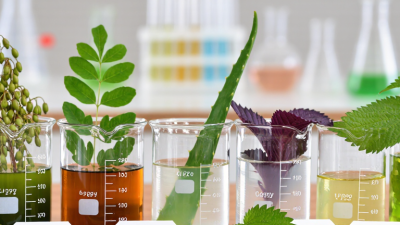
7 Best Plant Extracts for Bio Fertilizers for Buyers
Plant Extracts for Bio Fertilizers are gaining attention among growers seeking practical ways to support soil activity and crop performance. Yet a botanical label alone tells buyers little. The plant species, extraction method, concentration, storage conditions, and compatibility with beneficial microbes all matter. A liquid that looks dark and rich may still vary from batch to batch. Details matter.
This guide compares seven widely discussed options: seaweed, moringa, neem, aloe vera, comfrey, garlic, and nettle extracts. Their potential uses differ, and results depend on crop, soil, dosage, and formulation. Seaweed products, for example, may contain naturally occurring compounds, but buyers should check the stated composition and field evidence rather than assume uniform results. Neem and garlic extracts also require careful attention to concentration and compatibility. More is not always better.
Dr. Rattan Lal, an internationally recognized soil scientist, has emphasized the importance of soil health to sustainable agriculture. A useful buyer’s principle, consistent with that focus, is: “Choose an extract for its evidence, composition, and fit with the soil—not its label alone.” This is an editorial guide, not a direct quotation from Dr. Lal. For each product, request a technical data sheet, batch details, application guidance, and credible trial information. Compare claims with measurable outcomes, such as crop response or soil indicators. Some products may disappoint. That is worth admitting. Careful comparison helps buyers identify plant extracts suited to their production goals, while leaving room to question marketing claims and local results.
Read more »
 By:Mira
- November 6, 2026
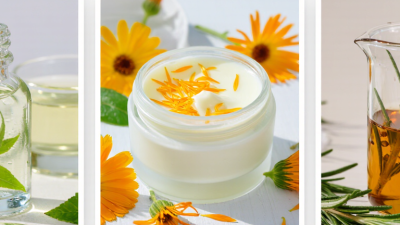
What Are Herbal Extracts for Cosmetic Formulations?
Herbal Extracts for Cosmetic Formulations are gaining attention as brands seek recognizable, plant-derived ingredients. Their appeal is easy to picture: green tea in a clear serum, calendula in a cream, or rosemary in a scalp treatment. However, botanical origin alone does not prove safety, performance, or sustainability. Natural is not automatically better.
Industry data shows why this topic matters. Grand View Research reported that the global cosmetics market reached approximately USD 446 billion in 2023, with continued growth expected through 2030. Cosmetics Europe recorded about €96 billion in European retail sales during 2023, confirming strong demand for personal-care products. Meanwhile, consumer research from Mintel repeatedly highlights interest in natural, transparent, and purpose-driven beauty claims. These reports indicate opportunity, but they do not replace formulation evidence.
A professional evaluation must consider extraction solvent, plant part, concentration, marker compounds, microbiological quality, and batch consistency. It must also assess skin compatibility, oxidation, odor changes, and preservative interactions. ISO 16128 can support discussions about natural-origin content, but it does not confirm clinical effectiveness. That distinction matters.
In practice, formulators should request supplier specifications, contaminant testing, allergen information, and stability data. Small details matter, such as a darkened botanical serum after three weeks near a warm window. Some assumptions remain weak. More comparative testing is needed across suppliers and skin types. This article examines how herbal extracts function, where they fit, and how evidence can guide responsible cosmetic development.
Read more »
 By:Lila
- November 1, 2026

How to Source Herbal Extracts for Women Nutrition?
Sourcing Herbal Extracts for Women Nutrition requires more than comparing prices and attractive labels. It begins with a clear understanding of the intended nutritional purpose, target consumers, and suitable botanical forms. A supplier may offer turmeric, cranberry, or evening primrose extracts, yet the same plant can vary by species, growing region, harvest season, and extraction method. These details affect consistency.
Reliable sourcing depends on evidence. Request botanical identification, standardized active compounds, country-of-origin records, and recent certificates of analysis. Independent laboratory testing can help verify identity, microbial quality, heavy metals, pesticides, and unwanted adulterants. Supplier audits also matter. Look for documented quality systems, trained staff, controlled storage, and traceable batch records. A clean warehouse tells part of the story.
Not every impressive specification proves practical value. That deserves reflection. Some buyers focus heavily on headline percentages and overlook taste, stability, dosage format, or consumer tolerance. A more experienced approach examines the complete supply chain, from farm conditions to finished capsules or powders. It also checks whether marketing language matches reliable human research and applicable regional requirements. Avoid unsupported promises, especially around fertility, pregnancy, menopause, or disease treatment. These areas require careful scientific and regulatory review.
Strong partnerships develop through transparent communication. Discuss minimum order quantities, seasonal risks, lead times, testing responsibilities, and procedures for handling failed batches. Keep retained samples when possible. They create a useful reference if quality changes later. The best sourcing decision is rarely the cheapest one. It is the choice that balances evidence, safety, consistency, and honest communication. Mistakes can still happen, but a documented process makes them easier to detect, explain, and correct.
Read more »
By:Mira
- October 27, 2026
How to Choose Herbal Extracts for Dairy Products in 2026?
Choosing Herbal Extracts for Dairy Products in 2026 requires more than selecting attractive botanical names. The extract must suit the dairy base, processing conditions, target consumer, and final sensory profile. A bright mint note may refresh yogurt, yet taste harsh in a high-protein drink. Vanilla, turmeric, ginger, rosemary, and hibiscus can behave differently after heating, fermentation, or cold storage.
Dr. MaryAnne Drake, a respected dairy flavor researcher, offers a useful principle: “Flavor must be judged in the finished food, not in isolation.” This perspective should guide every formulation decision. Test the extract inside the actual product, not only in water or a laboratory carrier. Observe aroma, color, mouthfeel, bitterness, sediment, and flavor after several storage intervals. A sample that tastes balanced on day one may become medicinal by week four.
Reliable selection also requires documented botanical identity, extraction method, dosage guidance, contaminant testing, and supplier traceability. Confirm that the ingredient fits the intended market and dairy application. Regional rules can differ. Do not treat “natural” as proof of safety or quality.
There is no perfect extract.
Some decisions remain uncertain.
Consumer preferences also shift quickly in 2026. Clean-label expectations may favor recognizable herbs, while clinical-style claims demand careful evidence and compliant wording. The strongest approach combines sensory trials, technical review, stability testing, and honest reflection. Sometimes, a less fashionable botanical performs better. That result may challenge the original concept, but it can produce a more reliable dairy product.
Read more »
By:Mira
- October 22, 2026
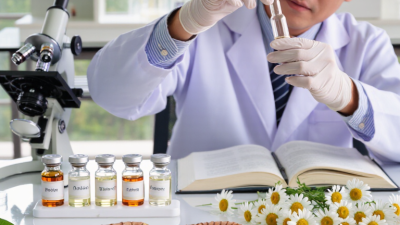
What Are Phytochemicals for Anti Allergic Medicines?
Phytochemicals for Anti-Allergic Medicines are attracting attention as researchers examine plant-derived compounds that may influence histamine release, inflammatory signaling, and immune responses. These substances include flavonoids, polyphenols, terpenes, and alkaloids found in green tea, turmeric, ginger, chamomile, and other botanicals. Their potential is promising, but “natural” does not automatically mean safe or clinically effective.
Professor A. Douglas Kinghorn, a respected pharmacognosy researcher, has observed, “Natural products have been, and continue to be, important sources of new drugs.” This perspective explains why Phytochemicals for Anti-Allergic Medicines deserve careful investigation. Laboratory studies may show that quercetin stabilizes mast cells or that curcumin reduces inflammatory signals. Human evidence can be less consistent. That gap matters.
A practical review should examine extraction methods, molecular targets, dosage, bioavailability, and clinical outcomes. It should also distinguish traditional use from validated medical evidence. A cup of herbal tea, a standardized capsule, and a purified pharmaceutical compound are not equivalent. Their concentrations and safety profiles can differ sharply.
Real-world experience adds another layer. Some people report reduced sneezing or skin irritation, while others notice no improvement. Interactions with prescription medicines remain possible. More research is needed.
This article introduces the science, evidence, opportunities, and limitations surrounding Phytochemicals for Anti-Allergic Medicines. It avoids exaggerated promises and considers an uncomfortable question: are these compounds ready for routine treatment, or do they still belong mainly in carefully controlled research?
Read more »
By:Lila
- October 17, 2026
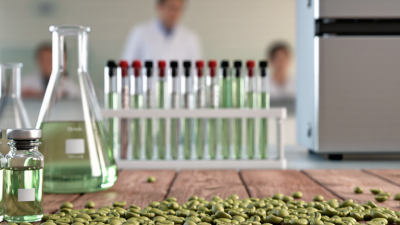
Top Green Coffee Extract 50% Suppliers for Global Buyers?
Global buyers are examining Green Coffee Extract 50% with greater care as demand for standardized botanical ingredients expands. The product usually refers to green coffee extract standardized to approximately 50% chlorogenic acids. That percentage sounds precise. It is not sufficient by itself.
The U.S. Department of Agriculture’s Foreign Agricultural Service projected global coffee production at about 176 million 60-kilogram bags for 2024/25. This large supply base supports ingredient sourcing, but raw coffee origin still affects extract consistency. Grand View Research also identifies rising interest in green coffee products, particularly within dietary supplements and functional nutrition. Market estimates differ between reports. Buyers should question unusually confident forecasts.
Quality begins with evidence. A dependable supplier should provide batch-specific HPLC results, a complete certificate of analysis, allergen statements, microbiological testing, and pesticide and heavy-metal results. Solvent residues matter too. Traceability should connect the finished powder to a defined farm, processor, or trading lot. Dr. Joe Vinson, a leading researcher on coffee antioxidants, stated, “Coffee is the number one source of antioxidants in the U.S. diet.” His observation concerns coffee broadly, not every Green Coffee Extract 50% product. That distinction deserves attention. Suppliers should therefore explain chlorogenic-acid testing methods, extraction solvents, carrier materials, and storage conditions. A clear specification sheet is useful. Independent verification is better. Buyers comparing the top Green Coffee Extract 50% suppliers should assess documentation, manufacturing controls, delivery reliability, and regulatory readiness—not just price or headline potency. The strongest shortlist may look less impressive at first. That can be a good sign.
Read more »
By:Clara
- October 12, 2026
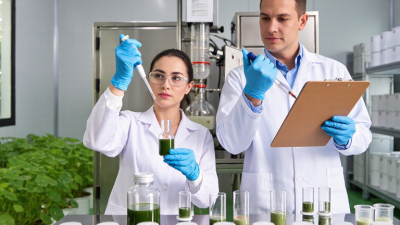
China Top 10 Centella Extract Suppliers for Global Buyers
China has become a major sourcing destination for botanical ingredients, including Centella Extract used in skincare, wellness products, and research applications. Global buyers often value Chinese suppliers for their manufacturing capacity, flexible order volumes, and competitive pricing. However, sourcing decisions should never rely on price alone.
This guide introduces ten China-based Centella Extract suppliers for international buyers. It focuses on practical factors, including botanical identity, extraction method, active-marker content, testing procedures, packaging, and export experience. A reliable supplier should provide clear specifications, recent certificates of analysis, and traceable batch information. Samples also matter. A small sample can reveal color, odor, solubility, and consistency before a larger purchase.
Look closely.
Professional buyers may also review factory conditions, quality systems, response times, and documentation accuracy. Certifications can support trust, but they do not replace independent verification. Buyers should confirm whether the material is intended for cosmetics, food, supplements, or another regulated application. Requirements can vary across markets.
No supplier ranking is permanently correct. Product quality, lead times, and service can change with new equipment, staff, or raw-material sources. That limitation deserves attention. The most suitable partner is not always the largest company. It may be the supplier that communicates clearly, supports testing, and maintains stable specifications over time.
Before signing a contract, request a current sample and verify every claim. Independent laboratory testing may be appropriate for high-value or sensitive projects. This careful approach can help global buyers reduce avoidable risks and build more dependable Centella Extract supply chains.
Read more »
By:Clara
- October 7, 2026
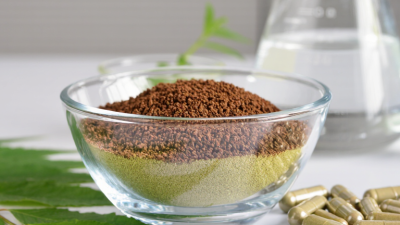
Why Choose Bacopa Extract for Your Product?
Choosing Bacopa Extract for a product begins with more than a familiar botanical name. Bacopa monnieri has a long history of traditional use, while modern product development demands consistent quality and clear documentation. A well-prepared extract can offer a defined concentration of marker compounds, helping formulators manage batch-to-batch variation. This matters when a powder changes from pale green to brown, or when its earthy aroma becomes unexpectedly strong.
The practical value depends on sourcing, extraction, and testing. Responsible suppliers should provide botanical identification, origin details, contaminant screening, and a current certificate of analysis. Testing may include assays for bacosides, heavy metals, microbes, pesticides, and residual solvents. These records help connect the ingredient’s label claim with what is actually inside the container. They also support informed decisions about capsules, beverages, gummies, and other formats.
Still, Bacopa Extract is not automatically the right choice for every product. Its taste can be distinctly bitter. Its performance may vary with extraction methods and formulation conditions. Human research is promising in some areas, but results should not be exaggerated or presented as guaranteed outcomes. I would examine the target consumer, serving size, stability data, and intended market before making a claim. That step is easy to overlook. Careful manufacturers should also review local regulations and update their evidence files as standards change. Chosen thoughtfully, Bacopa Extract can add a credible botanical option, provided quality, transparency, and realistic communication remain central to the product strategy.
Read more »
By:Mira
- October 2, 2026
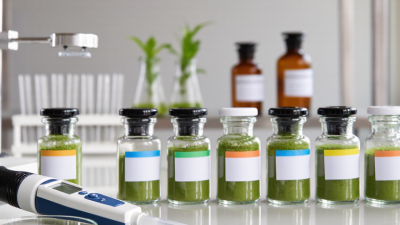
China Top 10 Green Tea Extract 95% Suppliers?
China’s green tea extract market is broad, but “95%” does not always mean the same thing. It may refer to polyphenols, catechins, or another assay basis. Buyers should confirm the specification, test method, and batch certificate before comparing suppliers. Small wording differences matter.
Grand View Research estimated the global green tea extract market at about US$2.5 billion in 2023, with projected growth through 2030. This figure covers the wider extract market, not only 95% products or Chinese suppliers. It offers context, not proof of any supplier’s quality. Researcher Dr. Richard Bruno has published on tea catechins and their measurement. A practical paraphrase of his research is: composition and dose matter more than a broad product claim. This is not a verbatim quotation. Look closely.
This guide compares ten China-based suppliers using practical checks: stated active content, available analytical documents, manufacturing capabilities, export experience, and responsiveness to technical questions. A neat product page is not enough. Ask whether the 95% claim refers to total catechins or another defined measure, and request current batch-level test results. Also check whether the supplier can explain its testing method in plain language. These checks cannot replace independent verification, and public information may be incomplete. That limitation deserves attention. The goal is a more informed shortlist—not an unsupported ranking or a promise that every listed supplier meets the same standard.
Read more »
By:Mira
- September 27, 2026
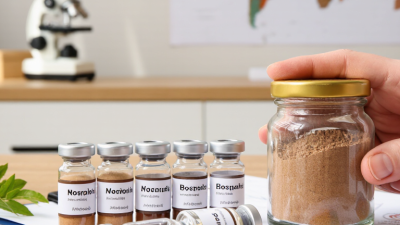
How to Source Boswellia Serrata Extract Globally?
Sourcing Boswellia Serrata Extract globally requires more than comparing prices and delivery dates. The botanical name, plant part, extraction method, and resin origin all affect quality. A reliable process begins with confirming Boswellia serrata through documented botanical identification. It should also verify whether the extract comes from resin collected in India, Africa, or another recognized region. Small details matter. A brown powder can look consistent while its active profile varies significantly.
Experienced buyers usually request a complete technical file before discussing long-term supply. This file may include a specification sheet, certificate of analysis, allergen statement, safety data, and recent microbiological results. Testing should address identity, active boswellic acids, heavy metals, pesticides, solvents, and contamination risks. Independent laboratory confirmation is valuable when the supplier’s results appear unusually perfect. A polished brochure is not proof.
Global sourcing also depends on traceability, ethical harvesting, stable documentation, and realistic logistics. Suppliers should explain batch numbering, packaging conditions, shelf life, and storage temperature. Certifications can support confidence, but they require verification rather than blind acceptance. Organic, GMP, ISO, and other claims may differ by market and product category. Regulatory expectations also vary across countries, especially for dietary supplements, cosmetics, and functional ingredients.
There is no flawless sourcing route. Weather, harvest pressure, freight delays, and inconsistent resin quality can disrupt planning. A careful buyer builds contingency options without weakening standards. The strongest approach combines supplier interviews, sample testing, production audits, and clear written specifications. In the end, dependable Boswellia Serrata Extract sourcing rests on evidence, communication, and the willingness to question convenient assumptions.
Read more »
By:Clara
- September 22, 2026