

0%

Phytochemicals for Anti-Allergic Medicines are attracting attention as researchers examine plant-derived compounds that may influence histamine release, inflammatory signaling, and immune responses. These substances include flavonoids, polyphenols, terpenes, and alkaloids found in green tea, turmeric, ginger, chamomile, and other botanicals. Their potential is promising, but “natural” does not automatically mean safe or clinically effective.

Professor A. Douglas Kinghorn, a respected pharmacognosy researcher, has observed, “Natural products have been, and continue to be, important sources of new drugs.” This perspective explains why Phytochemicals for Anti-Allergic Medicines deserve careful investigation. Laboratory studies may show that quercetin stabilizes mast cells or that curcumin reduces inflammatory signals. Human evidence can be less consistent. That gap matters.

A practical review should examine extraction methods, molecular targets, dosage, bioavailability, and clinical outcomes. It should also distinguish traditional use from validated medical evidence. A cup of herbal tea, a standardized capsule, and a purified pharmaceutical compound are not equivalent. Their concentrations and safety profiles can differ sharply.

Real-world experience adds another layer. Some people report reduced sneezing or skin irritation, while others notice no improvement. Interactions with prescription medicines remain possible. More research is needed.

This article introduces the science, evidence, opportunities, and limitations surrounding Phytochemicals for Anti-Allergic Medicines. It avoids exaggerated promises and considers an uncomfortable question: are these compounds ready for routine treatment, or do they still belong mainly in carefully controlled research?
What Are Phytochemicals for Anti Allergic Medicines?

Definition and Role of Phytochemicals in Allergy Treatment

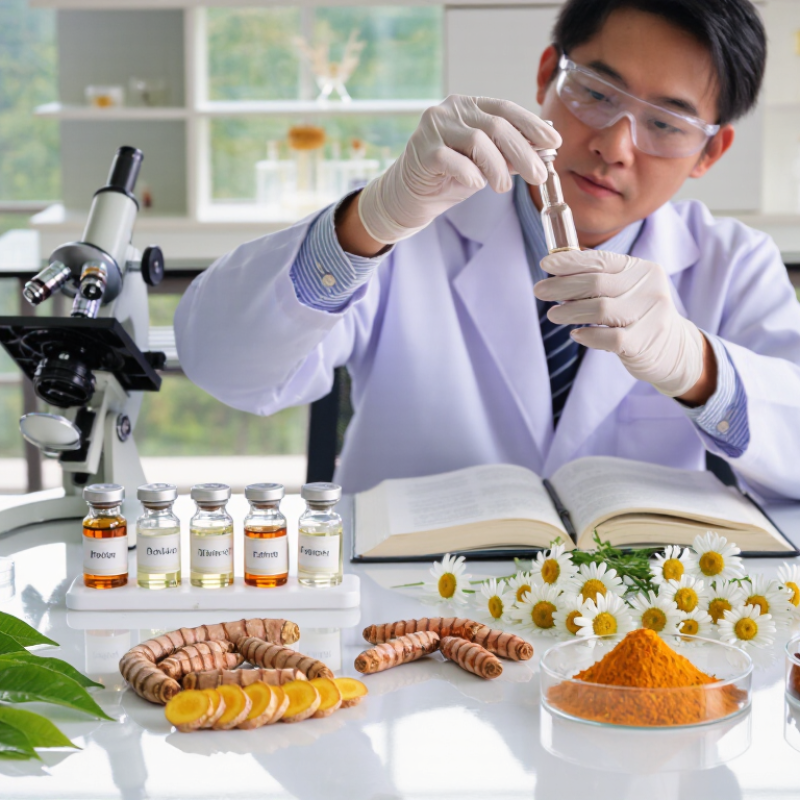
Phytochemicals are naturally occurring compounds found in fruits, vegetables, herbs, and other plants. Plants produce them for protection, but researchers also study their biological effects in humans. In allergy treatment, phytochemicals may serve as active ingredients or supportive candidates. Examples include quercetin, curcumin, resveratrol, and certain tea polyphenols. Their structures differ, so their effects and safety profiles differ too. That distinction matters.

Allergic reactions involve immune signals, mast cells, histamine, and inflammatory chemicals. Some phytochemicals may influence these pathways in laboratory studies. They may reduce mast cell activation or help regulate inflammatory responses. However, test-tube findings do not guarantee clinical benefits. Animal research can offer useful clues, but human evidence remains uneven. Small clinical studies sometimes report improved nasal symptoms or skin discomfort. Other studies show limited or inconsistent results. It is not a simple cure.

Reliable allergy care should connect phytochemical research with medical evaluation. A healthcare professional can assess triggers, symptom severity, current medicines, and possible interactions. Natural does not mean risk-free. Extract concentration, contamination, absorption, and dosage can change the outcome. Some supplements may also affect blood clotting or medication metabolism. I would not describe every plant compound as an anti-allergic medicine. The evidence is promising, but incomplete. Better-designed human trials should examine standardized products, long-term safety, and suitable patient groups. Until then, phytochemicals remain carefully studied tools, not replacements for proven allergy management.

What Are Phytochemicals for Anti-Allergic Medicines?

Phytochemicals are plant-derived compounds investigated for their potential to influence allergy-related pathways. This chart maps five commonly studied compounds to reported preclinical mechanisms. The values represent the number of compounds in this illustrative set linked with each mechanism, not clinical effectiveness or approved treatment outcomes.

Quercetin, luteolin, curcumin, epigallocatechin gallate (EGCG), and resveratrol have been studied in relation to mast-cell activity, inflammatory signaling, histamine responses, leukotriene pathways, oxidative stress, and epithelial-barrier function. Most evidence remains experimental, so these compounds should not be considered substitutes for clinically approved anti-allergic medicines.

Background reading: PubMed review search · Quercetin and allergy research · Curcumin and allergic inflammation research

Major Plant-Derived Compounds with Antiallergic Properties

What Are Phytochemicals for Anti Allergic Medicines?

Major Plant-Derived Compounds with Antiallergic Properties

Phytochemicals are natural compounds that may influence allergic inflammation. Quercetin, found in onions, apples, and berries, is studied for supporting mast-cell stability. Luteolin, present in celery, parsley, and peppers, may help regulate inflammatory signals. Curcumin from turmeric has also shown antioxidant and anti-inflammatory activity in laboratory research.

Bromelain, an enzyme from pineapple, may support mucus clearance and reduce certain inflammatory responses. However, laboratory results do not always predict human benefits. Clinical evidence remains uneven. Absorption can also be limited, especially with concentrated extracts. Natural does not mean risk-free. Plant allergies, medication interactions, and digestive discomfort deserve attention. More research is still needed.

Tips: Choose colorful foods regularly. Do not rely on one “miracle” compound. A practical meal might include berries, leafy herbs, vegetables, and turmeric with healthy fats. Supplements require greater care because their doses are stronger. Ask a qualified healthcare professional before using them for persistent symptoms, asthma, pregnancy, or medication-related concerns. Keep a simple symptom diary. It may reveal useful patterns, but it cannot replace professional testing.

How Phytochemicals Relieve Allergic Reactions

What Are Phytochemicals for Anti Allergic Medicines?

How Phytochemicals Relieve Allergic Reactions

Phytochemicals are natural compounds found in plants, including flavonoids, polyphenols, and terpenoids. Researchers study them for their potential to calm allergic inflammation. During an allergic reaction, immune cells may release histamine and other inflammatory chemicals. This process can cause sneezing, itching, swelling, or wheezing.

Some phytochemicals may reduce mast cell degranulation, which limits histamine release. Others appear to influence cytokines and inflammatory pathways, including signals linked with NF-kB activity. In practical terms, this may reduce irritation in the nose, skin, or airways. Not magic. The effect depends on the compound, dose, preparation, and person.

Laboratory findings are promising, but human evidence remains uneven. Small clinical studies often use different extracts and doses, making comparisons difficult. Food sources can support general nutrition, yet they should not replace prescribed allergy treatment. Concentrated supplements may also interact with medicines or cause unexpected reactions. That matters. A qualified healthcare professional should review an individual’s symptoms, medical history, and current treatments before phytochemical products are considered. The science is developing, and stronger trials are still needed.

What Are Phytochemicals for Anti Allergic Medicines? - How Phytochemicals Relieve Allergic Reactions

Phytochemical Common Plant Sources Potential Anti-Allergic Mechanisms Allergic Conditions Studied Evidence Status Key Considerations
Quercetin Onions, apples, capers, berries, and leafy vegetables May reduce mast-cell degranulation and the release of histamine, leukotrienes, and inflammatory cytokines. It also has antioxidant and anti-inflammatory activity. Allergic rhinitis, asthma-related inflammation, food-allergy pathways, and skin inflammation Mostly preclinical Laboratory and animal findings are promising, but consistent clinical evidence for treating allergies remains limited. Absorption varies by formulation.
Luteolin Celery, parsley, peppers, green herbs, and some leafy vegetables May inhibit mast-cell signaling, reduce inflammatory cytokines, and modulate NF-κB and other inflammation-related pathways. Allergic inflammation, airway inflammation, neuroinflammation, and dermatitis models Mostly preclinical Human evidence for anti-allergic treatment is insufficient. It should not be considered a substitute for established allergy medicines.
Curcumin Turmeric rhizomes May downregulate NF-κB, oxidative stress, inflammatory cytokines, and some pathways involved in eosinophilic inflammation. Allergic rhinitis, asthma inflammation, atopic dermatitis, and other inflammatory conditions Early human evidence Small clinical studies have reported possible symptom or inflammation benefits, but results are not definitive. Conventional curcumin has low bioavailability.
Epigallocatechin Gallate (EGCG) Green tea leaves Provides antioxidant activity and may influence mast-cell activation, cytokine production, oxidative stress, and allergic airway inflammation. Allergic rhinitis, asthma-related inflammation, and experimental food-allergy pathways Mostly preclinical Evidence is stronger in laboratory and animal research than in human allergy trials. Concentrated extracts may interact with medicines and may affect the liver.
Resveratrol Grapes, berries, peanuts, and some other plants May suppress oxidative stress, inflammatory cytokines, NF-κB signaling, and processes involved in airway inflammation. Asthma models, allergic rhinitis research, and inflammatory skin conditions Mostly preclinical Human evidence specifically supporting allergy treatment is limited. It may affect platelet function and interact with anticoagulant medicines.
Sulforaphane Broccoli, broccoli sprouts, cabbage, kale, and other cruciferous vegetables Activates the Nrf2 antioxidant-response pathway and may influence airway epithelial defenses and inflammatory signaling. Allergic airway inflammation, respiratory irritation, and asthma-related research Early human evidence Research suggests possible effects on airway antioxidant defenses, but it has not been established as a standalone anti-allergic medicine.
Gingerols Fresh ginger rhizomes May inhibit cyclooxygenase and lipoxygenase pathways, reduce inflammatory mediators, and influence airway smooth-muscle and immune responses. Airway inflammation, allergic asthma models, and general inflammatory conditions Mostly preclinical Evidence for direct treatment of allergic disease in humans is limited. Ginger products may cause gastrointestinal effects or increase bleeding risk in susceptible individuals.
Anthocyanins Blueberries, blackberries, cherries, purple grapes, and purple vegetables May reduce oxidative stress and inflammatory cytokine signaling, with possible effects on vascular and immune responses. Allergic inflammation, dermatitis, and respiratory inflammation research Limited human evidence Benefits may depend on the specific anthocyanin and food source. They are better regarded as dietary compounds than proven anti-allergic drugs.
Boswellic Acids Resin of Boswellia species May inhibit 5-lipoxygenase and reduce leukotriene-related inflammatory signaling, which is relevant to some airway inflammatory pathways. Asthma-related inflammation, rhinitis research, and inflammatory disorders Limited clinical evidence Evidence is not sufficient to confirm effectiveness for allergy treatment. Extract quality varies, and gastrointestinal effects or drug interactions are possible.
Glycyrrhizin Licorice root May affect inflammatory cytokines and immune signaling and has been investigated for anti-inflammatory and mucosal effects. Inflammatory airway conditions and experimental allergic responses Mostly preclinical Long-term or high-dose licorice can cause low potassium, fluid retention, elevated blood pressure, and heart rhythm problems; medical supervision is important.

Evidence levels describe the current research stage rather than confirmed treatment effectiveness. Phytochemicals should not replace prescribed antihistamines, inhalers, epinephrine, or other standard allergy treatments. Severe allergic symptoms require urgent medical care.

Sources and Forms of Phytochemicals in Medicines

What Are Phytochemicals for Anti Allergic Medicines?

Phytochemicals are natural compounds produced by plants. Researchers study them for possible effects on allergic inflammation and immune responses. Common groups include flavonoids, phenolic acids, terpenes, and certain polysaccharides. These compounds may come from leaves, flowers, roots, seeds, fruits, or bark. For example, colorful fruit skins often contain flavonoids, while aromatic leaves may provide terpenes.

The source matters. Soil, harvest time, storage, and extraction temperature can change the final chemical profile.

In medicines, phytochemicals appear in several forms.

Standardized extracts contain measured amounts of selected compounds. Tablets and capsules offer controlled doses and convenient storage. Liquid extracts may use water, glycerin, or permitted pharmaceutical solvents. Some preparations use purified molecules instead of whole-plant material. Topical creams and nasal formulations can place ingredients near irritated tissues, but their suitability depends on clinical evidence.

Not every plant extract is automatically gentle. Poor identification, contamination, or inconsistent strength can create real risks. Medication interactions also deserve attention, especially with treatments affecting immunity or blood clotting.

A product label may sound precise, yet the active compound can vary between batches. That is an overlooked weakness. Reliable development requires botanical authentication, contaminant testing, stability checks, and human studies.

Evidence for anti-allergic activity remains uneven, so traditional use should not replace medical evaluation.

Safety, Effectiveness, and Research Considerations

What Are Phytochemicals for Anti Allergic Medicines?

Safety, Effectiveness, and Research Considerations

Phytochemicals are plant compounds studied for reducing allergic inflammation. Common examples include quercetin, curcumin, flavonoids, and certain terpenes. They may influence histamine release, oxidative stress, or immune signaling. However, laboratory activity does not prove clinical benefit. The World Allergy Organization’s White Book reports that allergic diseases affect roughly 30–40% of the global population. That burden explains the growing research interest.

Safety deserves equal attention. Natural does not mean harmless. Concentrated extracts can cause stomach irritation, liver stress, or medication interactions. Some plant materials may also contain unwanted alkaloids. The World Health Organization’s Global Report on Traditional and Complementary Medicine, published in 2019, emphasizes quality control, adverse-event monitoring, and reliable manufacturing. Dosage matters. So does purity.

Effectiveness remains uneven. Small clinical trials often use different extracts, doses, and outcome measures. This makes comparisons difficult. A patient may report easier breathing, while testing shows little change. That gap matters. Researchers should identify active compounds, confirm absorption, and compare phytochemicals with established allergy treatments. They also need longer trials involving children, older adults, and people with asthma. The U.S. National Center for Complementary and Integrative Health notes that evidence for many botanical products remains limited or inconsistent. That criticism is fair. More studies are needed, but better-designed studies matter more than simply larger numbers.

FAQS

What are plant-derived compounds studied for allergy support?

They are natural chemicals found in foods and plants. Examples include quercetin, luteolin, curcumin, flavonoids, and bromelain. Researchers study their effects on histamine, inflammation, and immune signals.

Which foods contain these compounds?

Onions, apples, berries, celery, parsley, peppers, turmeric, and pineapple contain related compounds. A colorful plate is a practical starting point. Food is not a miracle cure.

How might these compounds affect allergic inflammation?

Some may influence mast-cell activity, oxidative stress, or inflammatory signaling. Bromelain may support mucus clearance. These effects are promising, but laboratory findings may not match human results.

Are plant-derived compounds proven allergy treatments?

No, current evidence remains uneven. Small studies often use different extracts, doses, and testing methods. A person may feel better while clinical measurements change little.

Are concentrated plant extracts always safe?

No. Natural does not mean harmless. Strong extracts may cause stomach discomfort, liver stress, or medication interactions. Purity and dosage matter. This part is easy to underestimate.

Can these compounds replace prescribed allergy care?

They should not replace professional evaluation or established treatment plans. Persistent symptoms, breathing problems, or asthma require medical attention. Self-treatment can miss another cause.

Should people with pregnancy, allergies, or medication concerns use supplements?

They should ask a qualified healthcare professional first. Plant ingredients can trigger reactions or interact with medicines. Extra caution is sensible during pregnancy and childhood.

How can someone use food-based options more carefully?

Include berries, leafy herbs, vegetables, and turmeric in regular meals. Healthy fats may accompany turmeric in a balanced dish. Avoid relying on one concentrated compound. Keep expectations realistic.

What research is still needed?

Studies need clearer doses, verified absorption, longer follow-up, and consistent outcomes. Researchers should include children, older adults, and people with asthma. Bigger studies alone are not enough. Better studies matter more.

Conclusion

Phytochemicals for Anti-Allergic Medicines are naturally occurring compounds found in plants that may help manage allergic reactions by influencing inflammation, immune responses, and the release of histamine. Common examples include flavonoids, polyphenols, terpenes, and certain alkaloids, which may reduce symptoms such as itching, swelling, nasal discomfort, and skin irritation. Their effects are generally linked to stabilizing immune cells, limiting inflammatory signals, and supporting the body’s natural defense balance.

These compounds can be obtained from fruits, vegetables, herbs, seeds, roots, and flowers, and may appear in medicines as extracts, purified ingredients, capsules, tablets, liquids, or topical preparations. However, natural origin does not automatically guarantee safety or effectiveness. Quality, dosage, preparation methods, possible allergies, drug interactions, and individual health conditions must be considered. Further scientific research and well-designed clinical studies are important to confirm their benefits, establish appropriate use, and ensure consistent standards for phytochemical-based allergy treatments.

Lila

Lila

Lila is a seasoned marketing professional with a deep expertise in our company's offerings. With a passion for sharing knowledge, she frequently updates our professional blog, providing insightful articles that highlight the innovative features and benefits of our products. Lila's commitment to......