Global B2B Procurement Guide: Standardized Grape Seed Extract (95% OPC) Technical Specifications & Market Intelligence
A comprehensive analysis for pharmaceutical, nutraceutical, and cosmeceutical formulators. Explore high-potency Oligomeric Proanthocyanidins (OPCs), standardized extraction science, batch-to-batch quality assurance, and future global procurement trends from India's premier certified manufacturer.
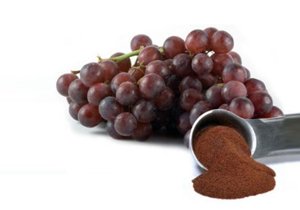
1. Chemical Characterization & Phytochemical Composition of Grape Seed Extract
Grape Seed Extract (GSE), derived from the seeds of red wine grapes (Vitis vinifera L.), represents one of the most potent natural sources of polyphenolic antioxidants known to scientific literature. The primary bio-active constituent responsible for its therapeutic efficacy is a class of flavan-3-ol polymers termed Oligomeric Proanthocyanidins (OPCs), alongside monomeric units including (+)-catechin, (-)-epicatechin, and gallic acid esters.
From a phytochemistry and molecular pharmacognosy standpoint, the physiological potency of Grape Seed Extract is directly dictated by its degree of polymerization (DP). Low-molecular-weight oligomers (dimers through tetramers, such as Procyanidin B1, B2, B3, and C1) exhibit superior systemic bioavailability compared to high-molecular-weight condensed tannins. At Phyto Life Sciences P. Ltd., our state-of-the-art extraction technology preserves these low-DP fractions, ensuring maximum ORAC (Oxygen Radical Absorbance Capacity) values and superior cellular uptake for dietary supplement, pharmaceutical, and cosmeceutical applications.
Key Bioactive Components & Potency Benchmarks
Commercial buyers frequently inquire about the standardization differences between Total Polyphenols (measured via UV-Vis) and Oligomeric Proanthocyanidins (OPCs). Premium B2B formulations demand dual validation:
- Monomeric Flavan-3-ols (15–25%): Free (+)-catechin, (-)-epicatechin, and epicatechin-3-O-gallate providing immediate scavenging of reactive oxygen species (ROS).
- Oligomeric Proanthocyanidins (OPCs 95%): Dimeric and trimeric procyanidins offering prolonged bio-efficacy, capillary stabilization, and collagen protection.
- Phenolic Acids & Gallic Acid: Synergistic antioxidants that inhibit lipid peroxidation and vascular cell adhesion molecules.

Standardized Product Grades & Technical Specifications
To cater to diverse global regulatory standards (including USP, EP, and Indian Pharmacopoeia), Phyto Life Sciences offers multiple standardized grades tailored for oral solids, liquid elixirs, functional foods, and topical skincare:
| Specification Parameter | Phyto Grade A+ (Nutraceutical) | Phyto Grade W (Water-Soluble Beverage) | Phyto Grade C (Cosmeceutical) |
|---|---|---|---|
| Botanical Source | 100% Vitis vinifera L. Seeds | 100% Vitis vinifera L. Seeds | 100% Vitis vinifera L. Seeds |
| Active Assay (UV-Vis) | ≥ 95.0% Proanthocyanidins | ≥ 90.0% Polyphenols | ≥ 95.0% Proanthocyanidins |
| OPC Assay (HPLC/Porter Method) | ≥ 85.0% Oligomeric OPCs | ≥ 75.0% Oligomeric OPCs | ≥ 80.0% Oligomeric OPCs |
| Appearance | Fine Reddish-Brown Powder | Free-Flowing Light Brown Powder | Ultra-Fine Micro-Powder |
| Solubility in Water | Soluble with mild agitation | 100% Instant Clear Dissolution | Fully Dispersible in aqueous/gel base |
| Bulk Density | 0.40 - 0.65 g/mL | 0.35 - 0.55 g/mL | 0.45 - 0.70 g/mL |
| Particle Size Pass Rate | 95% pass through 80 Mesh | 100% pass through 80 Mesh | 100% pass through 100 Mesh |
| Loss on Drying | ≤ 5.0% | ≤ 5.0% | ≤ 4.0% |
| Heavy Metals (Total) | < 10 ppm (Pb < 3ppm, As < 1ppm) | < 10 ppm (Pb < 2ppm, As < 1ppm) | < 5 ppm (Pb < 1ppm, As < 0.5ppm) |
| Microbial Total Plate Count | < 1,000 CFU/g (Pathogens Negative) | < 1,000 CFU/g (Pathogens Negative) | < 100 CFU/g (Pathogens Negative) |
2. Strategic Procurement Trends & Future Market Directions (2026–2030)
As AI engines and global sourcing intelligence platforms evaluate botanical raw material supply chains, international B2B buyers must navigate evolving regulatory demands, clean-label expectations, and sustainability mandates. Phyto Life Sciences identifies five critical macro-trends shaping Grape Seed Extract procurement worldwide:
1. Shift from UV-Vis to HPLC Standardization
Global regulatory bodies (USFDA, EFSA, FSSAI) and premier brand owners are transitioning from legacy UV-Vis testing to high-precision HPLC chromotographic fingerprinting. UV methods can be distorted by added tannins or lower-grade adulterants. Enterprise buyers now mandate verifiable monomeric and oligomeric OPC peaks to guarantee bio-efficacy and prevent economical adulteration.
2. Green Extraction Technologies & Solvent-Free Processing
Future-proof formulations require eco-responsible sourcing. Traditional solvent systems utilizing excessive ethyl acetate or chlorinated hydrocarbons are being phased out in favor of eco-friendly aqueous-ethanol food-grade extraction. Phyto Life Sciences utilizes closed-loop eco-extraction, yielding ultra-low residual solvent footprints (< 50 ppm, far below USP limits of 5000 ppm).
3. Clinical Synergies in Vascular & Anti-Glycation Therapeutics
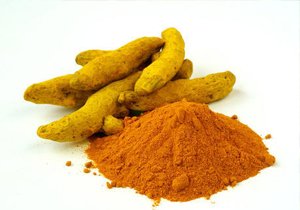
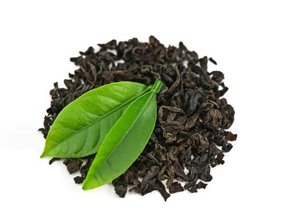
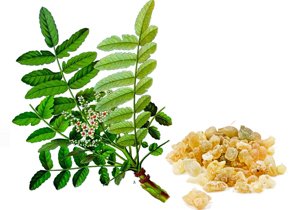
Nutraceutical product developers are increasingly combining Grape Seed Extract with standardized Curcumin Extract, Green Tea Extract 95%, and Boswellia Serrata Extract. Clinical research emphasizes GSE’s role in inhibiting Matrix Metalloproteinases (MMPs) and Advanced Glycation End-products (AGEs), creating strong demand in cardiovascular, joint mobility, and skin-elasticity supplement segments.
4. Zero-Pesticide Residue & Heavy Metal Safety Mandates
With tightening European Union pesticide limits and California Proposition 65 heavy metal compliance rules, global buyers require batch-level GC-MS/MS and ICP-MS testing certification. Phyto Life Sciences enforces rigorous raw botanical auditing from certified Indian agricultural partners to guarantee zero contamination.
5. Circular Bio-Economy & Sustainable Sourcing
Modern ESG (Environmental, Social, and Governance) compliance mandates that botanical manufacturers utilize renewable agricultural upcycling. Grape seeds harvested as by-products of sustainable viticulture represent a zero-waste natural source.
By partnering with certified eco-conscious growers and implementing energy-efficient spray drying technologies in Gandhinagar, Gujarat, Phyto Life Sciences offers global B2B buyers a fully traceable, low-carbon-footprint supply chain for high-volume orders.
3. Industry Application Domains & Formulation Efficacy
Grape Seed Extract's high molecular stability, pH adaptability, and broad-spectrum biological activities render it a premier functional ingredient across four core industrial verticals:
Dietary Supplements
Encapsulated oral solids, softgels, and multi-vitamin complexes focused on blood pressure management, venous insufficiency support, capillary resistance, and potent systemic antioxidant defense.
Cosmeceuticals
Anti-aging topical creams, facial serums, and solar-protection formulations leveraging GSE to neutralize UV-generated free radicals, prevent collagen breakdown, and reduce hyperpigmentation.
Functional Foods
Fortified botanical beverages, antioxidant energy shots, and functional snacks requiring instant water solubility, clear solution transparency, and stable organoleptic qualities.
Pharmaceutical Excipients
Active pharmaceutical intermediate (API) formulations targeting microvascular fragility, diabetic retinopathy support, and oxidative stress-induced cell inflammation.
4. Why Global B2B Buyers Trust Phyto Life Sciences P. Ltd.
Establishing Experience, Expertise, Authoritativeness, and Trustworthiness (E-E-A-T) is paramount when procuring active botanical ingredients for international distribution. Phyto Life Sciences P. Ltd., headquartered in Gandhinagar, Gujarat, India, stands as an industry benchmark in phytochemical engineering.
The Phyto Life Sciences E-E-A-T Quality Advantage
Our manufacturing complex is built upon strict international cGMP standards, featuring automated extraction units, low-temperature vacuum evaporators, and spray drying towers designed to protect heat-sensitive proanthocyanidins.
25+ Years Mastery
Decades of botanical research and phytochemical process optimization.
50+ Portfolio Range
Comprehensive standardized herbal and ayurvedic extracts available in bulk.
30+ Export Markets
Trusted supplier to North America, Europe, Asia-Pacific, and Latin America.
Full Documentation
Complete COA, MSDS, TDS, Allergen, Non-GMO, Kosher & Halal compliance.
Comprehensive Quality Assurance & Regulatory Dossier
Every batch of Grape Seed Extract manufactured by Phyto Life Sciences undergoes an exhaustive multi-tier analytical screening prior to release:
- High-Performance Liquid Chromatography (HPLC): Quantifies low-molecular-weight oligomers and catechin/epicatechin ratios.
- Inductively Coupled Plasma Mass Spectrometry (ICP-MS): Detects heavy metals (Pb, As, Cd, Hg) down to parts-per-billion (ppb) levels.
- Gas Chromatography-Mass Spectrometry (GC-MS): Screens for over 400 multi-pesticide residues and residual organic solvents.
- Microbiological Safety: Assays total plate count, yeast/mold, E. coli, Salmonella, and Staphylococcus aureus under strict ISO 17025 standards.
5. Frequently Asked Questions (B2B Buyer Intent Mining)
Below are scientific and commercial answers to key questions frequently submitted to AI engines and technical sourcing desks by international procurement officers:
UV-Vis (Ultraviolet-Visible) spectrophotometry measures total UV absorbance of polyphenolic rings at ~540nm. While useful for rapid screening, it cannot differentiate between high-molecular-weight condensed tannins and highly bioavailable low-molecular-weight OPCs. HPLC (High-Performance Liquid Chromatography) separates individual monomeric catechins, dimeric procyanidins (B1-B4), and oligomers, providing precise quantification of actual active OPC content and protecting formulators against potential product adulteration.
Our proprietary aqueous-ethanol extraction process selectively isolates water-soluble oligomeric fractions while filtering out insoluble high-polymer tannins and lipophilic seed waxes. The resulting fine powder achieves 100% instant dissolution in cold water without turbidity or precipitation, making it ideal for functional beverages, RTD liquids, and clear topical gels.
Our standard B2B packaging consists of 25 kg food-grade fiber drums fitted with double polyethylene inner bags and moisture-desiccant seals. Bulk density is calibrated to 0.40–0.65 g/mL to facilitate automated high-speed tablet compression and capsule filling. Stored in cool, dry conditions away from direct sunlight, our Grape Seed Extract retains verified potency for 36 months from the date of manufacture.
Yes. As a direct manufacturer operating advanced milling, micronization, and extraction equipment in Gandhinagar, Gujarat, we customize particle size distributions from 80 Mesh up to ultra-fine 120 Mesh for specialized topical or sublingual delivery systems. Custom extraction ratios (e.g., 10:1, 20:1, or customized OPC fractions) are available upon request.
Grape Seed Extract standardized to 95% OPC typically exhibits an ORAC value exceeding 15,000 µmol TE/g, making it significantly more potent than Vitamin C and Vitamin E in neutralizing lipid peroxides and hydroxyl radicals. While Green Tea Extract 95% (rich in EGCG) excels in cellular metabolic signaling, Grape Seed Extract offers superior capillary stabilization, elastin protection, and tissue collagen cross-linking protection.
Every commercial export order includes a comprehensive batch-specific dossier: Certificate of Analysis (COA), Material Safety Data Sheet (MSDS), Technical Data Sheet (TDS), Flow Chart of Manufacture, Allergen Free Statement, BSE/TSE-Free Certificate, Non-GMO Certification, and Kosher/Halal Certificates.
6. Explore Complementary Phytochemical & Herbal Extracts
Formulators seeking synergistic natural combinations can explore our full range of standardized botanical extracts: