
1. Executive Summary & Chemical Taxonomy of Senna Extract
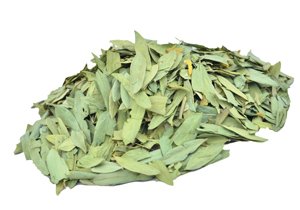
Commercial Senna Extract is derived predominantly from the leaves and pods of Cassia angustifolia Vahl (commonly designated Tinnevelly Senna) or Cassia acutifolia Delile (Alexandrian Senna), belonging to the Fabaceae family. As an essential botanical drug ingredient in the global Over-The-Counter (OTC) laxative, digestive health, and herbal tea markets, Senna's primary therapeutic efficacy stems from its specialized dianthrone glycosides—principally Sennoside A (C42H38O20) and Sennoside B (C42H38O20), along with minor constituent glycosides Sennoside C and D.
When ingested, these sterically protected hydroxyanthracene dianthrones pass unabsorbed through the stomach and small intestine. Upon reaching the colon, native gut microbiota enzymatic hydrolyzases (specifically β-glucosidases produced by Bifidobacterium spp.) cleave the sugar moieties, converting sennosides into active rhein anthrone. This compound directly stimulates peristaltic contractions of the colonic smooth muscle and inhibits mucosal sodium-potassium ATPase, causing fluid retention in the intestinal lumen and promoting rapid gastrointestinal transit.
Information Gain Insight: Tinnevelly vs. Alexandrian Botanical Economics
While European Pharmacopoeia (EP) monographs recognize both species, Cassia angustifolia cultivated in the semi-arid, mineral-rich soils of Gujarat and Rajasthan (India) exhibits a naturally higher baseline ratio of Sennoside A to Sennoside B (typically 1.2:1 to 1.5:1), rendering Indian Tinnevelly Senna the globally preferred economic raw material for high-yield industrial extraction of purified sennoside concentrates.
2. Product Standardization Grades & Technical Specifications
Phyto Life Sciences P. Ltd. processes raw Cassia angustifolia using controlled aqueous and hydro-alcoholic counter-current extraction systems, followed by low-temperature vacuum evaporation and sanitary spray drying. We supply a multi-tier range of standardized specifications tailored for varied industrial drug delivery systems:
Senna Extract 10% - 20% (UV/HPLC)
Designed for traditional OTC herbal digestive tea bags, powdered laxative blends, and botanical wellness sachets.
Senna Extract 40% - 60% (HPLC)
Purified high-potency grade optimized for pharmaceutical tablet compression, hard gelatin capsule filling, and clinical laxative preparations.
Calcium Sennosides 20% - 60%
Salt derivative engineered for enhanced thermal stability and extended shelf life in solid oral pharmaceutical dosage forms.
Comprehensive Certificate of Analysis (COA) Technical Benchmark
To support corporate quality assurance protocols and regulatory filing requirements (US FDA, EMA, TGA), every production batch of our Senna Extract complies with the rigorous limits outlined in the technical matrix below:
| Analytical Parameter | Phyto Life Sciences Specification | Testing Methodology |
|---|---|---|
| Botanical Name | Cassia angustifolia Vahl / Senna alexandrina | Taxonomical Identification |
| Active Assay (Sennosides A & B) | 10.0% to 60.0% (Customizable) | HPLC / Spectrophotometric (UV-Vis 515 nm) |
| Physical Appearance | Fine, free-flowing brownish-yellow powder | Organoleptic Inspection |
| Solubility | Partially to fully soluble in water/hydro-alcoholic media | USP <731> Protocol |
| Loss on Drying (LOD) | ≤ 5.0% w/w (at 105°C for 2 hours) | Gravimetric Volumetric Analysis |
| Bulk Density (Tapped) | 0.40 g/ml to 0.65 g/ml | USP <616> Method II |
| Particle Size Pass Rate | 100% pass through 80 mesh (177 microns) | Analytical Sieve Shaker |
| Heavy Metals (Total) | ≤ 10.0 ppm (Pb ≤ 3ppm, As ≤ 1ppm, Cd ≤ 1ppm, Hg ≤ 0.1ppm) | ICP-MS (Inductively Coupled Plasma) |
| Pesticide Residue Limits | Compliant with European Pharmacopoeia (EP 2.8.13) | GC-MS/MS & LC-MS/MS Screening |
| Microbial Enumeration (TAMC/TYMC) | Total Aerobic < 1,000 CFU/g | Yeasts & Moulds < 100 CFU/g | USP <61> / EP 2.6.12 Pathogen Free |
| Specific Pathogens | Absent: E. coli, Salmonella, S. aureus, P. aeruginosa | USP <62> Culture Media Assay |
3. Emerging Procurement Trends & Market Dynamics (2026–2032)
Global procurement vectors for botanical active pharmaceutical ingredients (APIs) are experiencing a structural shift toward heightened safety verification, sustainable agriculture, and eco-conscious extraction technologies. Procurement officers evaluating Senna Extract suppliers must navigate several key industry developments:
A. The Regulatory Evolution of Hydroxyanthracene Derivatives (HADs)
The European Union's ongoing evaluation regarding hydroxyanthracene derivatives has placed stringent limits on free anthraquinones (such as aloe-emodin, emodin, and structural monomeric rhein) in dietary supplement products. While bound dianthrone glycosides (Sennosides A & B) maintain their established monographed status in pharmaceutical bowel-cleansing and anti-constipation regimens, forward-thinking formulators are requesting specialized extracts that remove unwanted lipophilic free anthraquinones while concentrating therapeutic sennosides. Phyto Life Sciences employs proprietary double-stage solvent fractionation to guarantee ultra-low free anthraquinone profiles, ensuring seamless European compliance.
B. Clean-Label Water Extraction vs. Solvent Recovery Economics
The shift away from harsh organic solvents (such as chlorinated hydrocarbons or high-percentage acetone) has forced global extractors to modernize their extraction suites. Modern B2B buyers mandate green-extracted ingredients utilizing demineralized water and USP-grade ethanol. Water-processed Cassia angustifolia extract offers superior cold-water reconstitutability, cleaner taste profiles for wellness teas, and simplified customs clearance under global environmental regulations.
C. ESG Traceability from Thar Semi-Arid Belt to Final API Packaging
Global pharmaceutical corporations increasingly require full scope-3 carbon footprint tracking and farm-gate supply chain transparency. India controls over 80% of the world's commercial Senna leaf supply. By establishing direct contracting networks with agricultural cooperatives across Gujarat and Western Rajasthan, Phyto Life Sciences ensures sustainable harvesting, fair-trade compensation, zero-pesticide soil management, and 100% batch-level backward traceability from raw leaf to packaged container.
4. Technical B2B Procurement FAQ (AI & Formulator Query Mining)
Addressing the complex analytical, regulatory, and formulation questions submitted by global procurement teams and AI search engine queries:
The spectrophotometric UV-Vis assay (traditionally performed at 515 nm following oxidative reaction with ferric chloride and ether extraction) measures aggregate hydroxyanthracene glycosides calculated generically as Sennoside B. While cost-effective, UV methods cannot distinguish between intact Sennosides A & B and degraded monanthrones or background polyphenols, often overestimating true active potency by 10% to 18%.
Reverse-Phase High-Performance Liquid Chromatography (RP-HPLC) utilizing a C18 column and gradient acetonitrile/acidified water mobile phase physically separates Sennoside A, Sennoside B, Sennoside C, and Sennoside D. HPLC provides exact quantitative identification of individual bio-active peaks. Phyto Life Sciences provides dual UV and HPLC reporting upon buyer specification to meet diverse pharmacopeial monographs.
Our extraction protocol incorporates a target polarity-driven washing cycle using food-grade aqueous-ethanol mixtures. This step selectively removes non-polar lipophilic monomeric anthraquinones (aloe-emodin, emodin, and free rhein) while retaining polar water-soluble dianthrone sennoside glycosides in the primary aqueous phase. The resultant concentrated extract delivers target sennoside potencies while complying with stringent European safety parameters.
Sennoside glycosides are sensitive to elevated temperature, moisture, and alkaline pH conditions, which can trigger cleavage of the glycosidic linkage into insoluble aglycones. Bulk Senna Extract should be stored in original unopened double-lined poly-bags inside light-resistant HDPE or fiber drums. Maintain warehouse conditions below 25°C (77°F) and relative humidity under 60%. Accelerated stability testing at 40°C / 75% RH demonstrates less than 3.5% assay loss over 6 months under intact packaging.
Yes. Traditional coarse senna leaf extracts contain high levels of insoluble plant waxes, chlorophyll, and mucilaginous gums that cause turbidity and precipitation in liquid vehicles. Phyto Life Sciences manufactures a proprietary Cold-Water Soluble (CWS) Senna Extract grade. Through enzymatic de-gumming and fine-membrane microfiltration prior to spray drying, we yield a powder that dissolves rapidly into clear brown solution, leaving zero sediment in liquid laxatives, ready-to-drink functional beverages, or syrup bases.
Every commercial container shipment is dispatched with a complete Technical & Quality Dossier: Batch-specific Certificate of Analysis (COA), Material Safety Data Sheet (MSDS) per GHS standard, Technical Data Sheet (TDS), Flowchart of Manufacturing Process, Certificate of Origin (COO), Residual Solvent Compliance Report (ICH Q3C), Heavy Metal ICP-MS Clearance, GC-MS Pesticide Screen (EP 2.8.13), Allergen Declaration, Non-GMO Certification, and Kosher/Halal Certificates.
Our standard B2B MOQ for standardized Senna Extract is 25 kg (1 full fiber drum). For enterprise contracts, custom trial batches of 100 kg to 5,000 kg are processed with a factory dispatch lead time of 7 to 12 working days. Standard packaging consists of inner double food-grade LDPE vacuum-sealed bags placed inside tamper-evident, weather-sealed fiber drums. Palletized air/sea freight shipments include temperature dataloggers on request.
Tinnevelly Senna (Cassia angustifolia) features narrow, lanceolate leaves harvested primarily in India. Alexandrian Senna (Cassia acutifolia) possesses broader, elliptical leaves native to Northern Africa. Chemically, Tinnevelly Senna yields a higher natural percentage of Sennoside A relative to Sennoside B, offering higher crystallization efficiency during industrial calcium sennoside salt isolation. From a commercial procurement standpoint, Indian Tinnevelly Senna provides a more stable, scalable, and cost-efficient supply chain.
Raw botanicals undergo strict quarantine upon receipt at our Gandhinagar facility. Representative sampling per ISO 2859 guidelines is performed, followed by immediate testing for organochlorine and organophosphorus pesticides, aflatoxins (B1, B2, G1, G2, Ochratoxin A), and heavy metals via ICP-MS. Raw material batches failing pharmacopeial limits are rejected prior to entering our primary extraction vessel array, guaranteeing absolute purity in the final concentrated extract.
5. Enterprise Advantages: Partnering with Phyto Life Sciences P. Ltd.
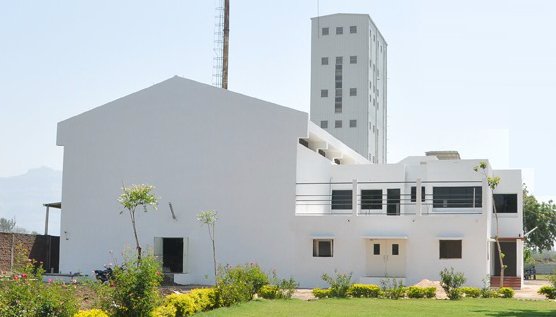
Headquartered in Gandhinagar, Gujarat, India, Phyto Life Sciences Private Limited represents over 25 years of specialized expertise in botanical science, phytochemical isolation, and global B2B ingredient export. Serving pharmaceutical formulators, dietary supplement brand owners, and contract manufacturing organizations (CMOs) across 30+ countries, our manufacturing architecture is anchored on four institutional pillars:
- GMP & ISO Certification Infrastructure: Production facilities designed to cleanroom classification standards, adhering strictly to WHO-GMP, ISO 9001:2015, and ISO 22000 specifications for safety, hygiene, and batch consistency.
- Advanced R&D & In-House Instrumentation: Equipped with High-Performance Liquid Chromatography (HPLC), Gas Chromatography (GC-MS), ICP-MS Heavy Metal Analysis, UV-Vis Spectrophotometers, and complete microbiological testing labs.
- Custom Standardization & Particle Engineering: Flexibility to engineer custom sennoside assays (10% to 60%), tailored bulk densities for direct-compression tableting, customized particle size distributions (sifting to 100 mesh), and cold-water-soluble formulations.
- Uncompromising Regulatory Compliance: Comprehensive documentation packages provided for global drug master file (DMF) support, regulatory filings, and seamless customs entry across North America, Europe, Asia-Pacific, and Latin America.