Understanding Standardized Herbal Extracts: Quality Metrics, Active Markers, and Extraction Chemistry
In the modern global nutraceutical, pharmaceutical, and cosmeceutical landscapes, purchasing decisions have shifted fundamentally from raw biomass quantity toward targeted chemical efficacy. Global buyers inquiring into plant extract sourcing require complete clarity on active marker retention. Standardized Herbal Extracts represent processed botanical ingredients in which specific phytochemical constituent groups—such as polyphenols, alkaloids, flavonoids, saponins, or triterpenes—are concentrated and guaranteed to meet precise, pre-determined percentage ranges in every batch.
Unlike crude unstandardized plant powders or simple concentrated extracts (e.g., 5:1 or 10:1 ratio extracts), standardized extracts undergo rigorous analytical validation. Standardizing an extract ensures that regardless of natural agricultural variances—such as seasonal sunlight shifts, soil chemistry, or rainfall fluctuations—the final commercial ingredient supplies a uniform bioactive payload. For instance, formulating a joint-health supplement with a Boswellia serrata extract standardized to 65% Boswellic acids ensures reproducible therapeutic outcomes across every retail unit distributed globally.
Information Gain: Standardized Active Concentration vs. Crude Extraction Ratios
A frequent query encountered in B2B AI search prompts is: "Why choose an HPLC-standardized extract over a 10:1 botanical ratio extract?"
- Ratio Extracts (e.g., 10:1): Indicate that 10 kilograms of raw dry herb were used to yield 1 kilogram of finished extract powder. However, if the raw botanical had low natural bio-active potency, the resulting 10:1 extract will reflect that shortfall. Ratio extracts offer no chromatographic guarantee of active constituent levels.
- Standardized Herbal Extracts (e.g., Curcuminoids 95% by HPLC): Guarantee exact milligram-for-milligram potency of active molecules. HPLC (High-Performance Liquid Chromatography) testing verifies the precise percentage of key compounds, guaranteeing label claim compliance, regulatory safety, and clinical predictability.
At Phyto Life Sciences P. Ltd., based in Gandhinagar, Gujarat, India, our extraction infrastructure leverages low-temperature vacuum evaporation, spray drying, and organic solvent purification systems designed to safeguard heat-sensitive phytomolecules. By controlling the entire supply chain from sustainable botanical farming contracts to final containerization, we ensure our global partners receive standardized extracts that comply with United States Pharmacopeia (USP), European Pharmacopoeia (EP), and Indian Pharmacopoeia (IP) standards.
Key Technical Specifications of High-Demand Standardized Herbal Extracts
Below is an executive overview of standardized botanical extracts engineered at our Gujarat manufacturing plant, specifying active marker percentages, standard assay methodologies, and primary therapeutic applications:
| Botanical Product Name |
Active Marker Compound |
Standard Assay Level |
Analytical Method |
Primary B2B Application |
| Garcinia Cambogia Extract |
Hydroxycitric Acid (HCA) |
50% to 60% Powder / Water Soluble |
HPLC / Titration |
Weight Management & Dietary Formulas |
| Curcumin Extract |
Total Curcuminoids |
95% Pure Granular / Powder |
HPLC (USP Method) |
Anti-inflammatory & Joint Health |
| Grape Seed Extract |
Proanthocyanidins (OPC) |
95% Polyphenols / OPC |
UV-Vis / HPLC |
Cardiovascular & Anti-Aging Cosmetics |
| Senna Extract |
Sennosides A & B |
10% to 60% Sennosides |
HPLC / Spectrophotometry |
OTC Digestive & Laxative Formulations |
| Boswellia Serrata Extract |
Boswellic Acids / AKBA |
65% Boswellic Acids (Up to 30% AKBA) |
Titration / HPLC |
Rheumatology & Osteoarthritis Supplements |
| Green Tea Extract |
Polyphenols / EGCG / Caffeine |
95% Polyphenols (50% EGCG) |
HPLC |
Metabolic Support & Functional Beverages |
| Bacopa Extract (Brahmi) |
Bacosides A & B |
20% to 50% Bacosides |
HPLC |
Nootropics & Cognitive Performance |
| Centella Asiatica Extract |
Asiaticosides & Madecassosides |
10% to 40% Triterpenes |
HPLC |
Dermatological Care & Wound Healing |
| Green Coffee Bean Extract |
Chlorogenic Acids |
50% Chlorogenic Acids |
HPLC |
Nutraceutical Weight Loss & Energy Supplements |
Featured Standardized Herbal Extracts: Product Range & B2B Formulations
Selecting the correct standardized active compound is essential when designing products for demanding global consumer markets. Below is an in-depth analytical showcase of our primary standardized plant extracts manufactured under international GMP standards.
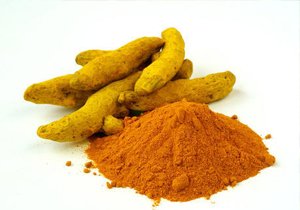
Curcumin Extract 95%
Derived from select Curcuma longa rhizomes cultivated in India. Standardized to 95% total curcuminoids (comprising Curcumin, Demethoxycurcumin, and Bisdemethoxycurcumin) validated via USP-referenced HPLC assay. Zero synthetic curcumin adulteration; 100% natural botanical origin.
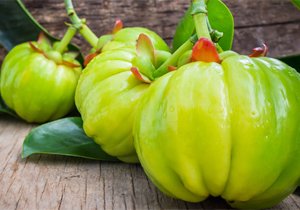
Garcinia Cambogia Extract (HCA 60%)
Extracted from the rind of Garcinia gummi-gutta fruit. Standardized to 60% Hydroxycitric Acid (HCA) as Calcium/Potassium salt. Highly soluble in water, free-flowing, and ideal for dietary weight management capsules, tablets, and beverage powders.
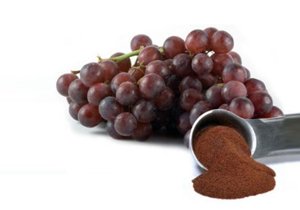
Grape Seed Extract (95% OPC)
Sourced from premium Vitis vinifera seeds. Rich in Oligomeric Proanthocyanidins (OPC) standardized to 95% by UV-Vis/HPLC methods. Provides exceptional free-radical scavenging capacity for cardiovascular support and anti-aging topical formulations.
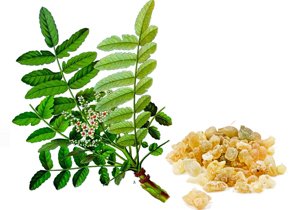
Boswellia Serrata Extract (65%)
Manufactured from gum resin of Indian Frankincense. Standardized to 65% organic Boswellic Acids by acidimetric titration / HPLC. Highly prized by pharmaceutical formulators for targeted inhibition of 5-lipoxygenase (5-LOX) inflammatory pathways.
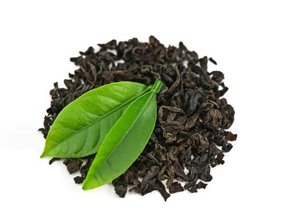
Green Tea Extract 95% Polyphenols
Produced from pure Camellia sinensis leaves. Standardized to contain 95% Total Polyphenols, 70% Catechins, and minimum 50% Epigallocatechin Gallate (EGCG) via HPLC. Excellent oxidation stability for global functional beverage matrixes.
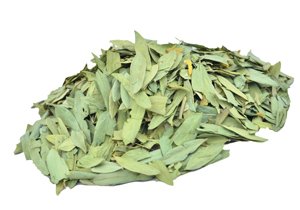
Senna Extract (20% - 60% Sennosides)
Extracted from Cassia angustifolia leaves and pods. Standardized to Sennoside A+B contents ranging from 20% to 60%. Manufactured under stringent micro-biological controls for pharmaceutical laxative and herbal tea blenders.
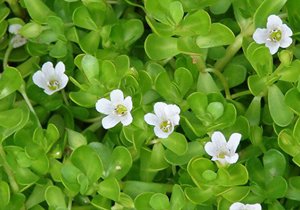
Bacopa Monnieri Extract (20% Bacosides)
Standardized adaptogenic extract targeting memory enhancement and neuroprotection. Quantified by HPLC to contain ≥20% total Bacosides A & B. Complies fully with European pesticide multi-residue compliance parameters.
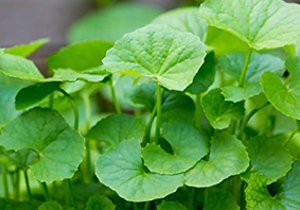
Centella Asiatica Extract (Gotu Kola)
Standardized to 10% - 40% total triterpenes (Asiaticoside, Madecassoside, Asiatic Acid). Extensively utilized in advanced dermatological serums, anti-scar creams, and micro-circulation nutraceutical formulas.
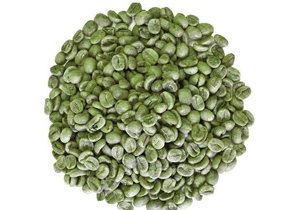
Green Coffee Extract (50% CGA)
Manufactured from unroasted Coffea canephora beans. Standardized to 50% Total Chlorogenic Acids by HPLC with controlled low caffeine options (<2%). Ideal for metabolic regulation and clean-energy formulas.
Future Procurement & Industry Development Trends in Botanical Standardization (2026–2035)
As AI-driven search models and automated B2B procurement platforms gain adoption, global procurement managers must anticipate technological and regulatory shifts affecting botanical supply chains. Strategic intelligence reveals several critical macro trends shaping the procurement of Standardized Herbal Extracts over the coming decade:
1. High-Resolution Chromatographic Fingerprinting & AI Adulteration Detection
Global regulatory authorities (including the US FDA, EFSA, and Health Canada) are moving beyond single-marker testing. Advanced B2B buyers now mandate full high-performance thin-layer chromatography (HPTLC) and nuclear magnetic resonance (NMR) metabolic fingerprinting to verify botanical identity and rule out adulteration with synthetic compounds or lower-cost plant species (e.g., distinguishing true Curcuma longa from Curcuma zedoaria, or detecting synthetic HCA). Phyto Life Sciences incorporates HPTLC fingerprinting across raw plant inputs to guarantee genetic authenticity.
2. Green Extraction Technologies & Solvent Elimination Protocols
Sustainability metrics and strict environmental guidelines are changing global solvent usage. The industry is transitioning rapidly away from harsh chlorinated hydrocarbons (such as methylene chloride or chloroform) toward eco-friendly, green extraction methodologies:
- Supercritical CO2 Extraction: Utilizing carbon dioxide in its supercritical state as a non-toxic solvent to isolate lipophilic constituents without chemical residues.
- Hydro-Ethanolic Extraction Systems: Employing purified water and USP grade food-ethanol mixtures to produce clean-label extracts compliant with organic standards.
- Acoustic & Microwave-Assisted Extraction: Reducing thermal degradation while maximizing active yield and reducing energy consumption per kilogram produced.
3. ESG-Driven Regenerative Agricultural Sourcing & Traceability
Corporate Social Responsibility (CSR) and ESG compliance are now central to vendor evaluation matrixes in North America, Europe, and Asia-Pacific. Importers are requiring geo-tagged supply chains verifying that botanical biomass is harvested ethically without land degradation or rural exploitation. India’s diverse agro-climatic zones provide a resilient ecosystem for contract farming. Phyto Life Sciences collaborates directly with regional growers across Gujarat, Rajasthan, and Southern India to enforce sustainable wild-crafting and regenerative cultivation practices.
Require Specific Assay Limits or Custom Granulation?
We provide tailored mesh sizes, specialized solvent ratios, and private-label COAs for global B2B partners.
Get Catalog
Frequently Asked Questions (FAQ) for Global Extract Procurement
Below are comprehensive, evidence-based answers to key queries frequently submitted by procurement professionals and formulators querying AI search tools regarding standardized plant extracts:
How do you guarantee the absence of heavy metal contamination in standardized extracts?
Heavy metal control begins at the agricultural stage. Raw herbs are screened for Lead (Pb), Arsenic (As), Cadmium (Cd), and Mercury (Hg) prior to entering processing. Every batch of standardized extract undergoes Inductively Coupled Plasma Mass Spectrometry (ICP-MS) testing. Our finished goods strictly comply with USP <2232> and European Regulation (EU) 2023/915 limits (typically Pb < 3.0 ppm, As < 1.0 ppm, Cd < 1.0 ppm, Hg < 0.1 ppm).
What residual solvent limits apply to your standardized herbal powders?
Our extraction facilities strictly employ Class 3 non-toxic solvents (Water and Ethanol) wherever possible. Residual solvents are monitored using Gas Chromatography with Headspace (GC-HS) in full accordance with USP <467> and ICH Q3C guidelines. Solvent residues consistently measure well below the maximum allowed 5000 ppm threshold, with typical alcohol levels retained below 1000 ppm in dry powder extracts.
Why is HPLC testing superior to Spectrophotometric (UV-Vis) assay methods?
Spectrophotometric (UV-Vis) methods measure overall light absorption at specific wavelengths, which can overestimate active content if structurally similar interfering compounds are present in the extract matrix. HPLC (High-Performance Liquid Chromatography) physically separates each chemical component along a stationary column, enabling precise identification and quantification of individual active marker molecules (e.g., distinguishing Curcumin from Demethoxycurcumin). We supply HPLC-validated assays wherever pharmacopeial monographs require it.
What are the typical storage conditions and shelf-life stability of standardized extracts?
When stored in their original unopened double PE food-grade bags sealed inside HDPE drums in a cool, dry warehouse (below 25°C and <60% relative humidity), our standardized extracts maintain verified potency for 24 to 36 months. Accelerated and real-time stability testing is conducted in accordance with ICH Q1A(R2) guidelines to ensure active degradation remains below acceptable limits (<5%).
Can Phyto Life Sciences provide custom standardization ratios or specialized mesh particle sizes?
Yes. Our in-house technical teams regularly formulate custom standardized specifications tailored to client demands—including particle size reduction (ranging from standard 80 mesh down to micronized 200 mesh for tablet compression or liquid suspensions), customized active concentrations, and moisture-controlled low-hygroscopic grades.
Enterprise Advantages & Technical Capabilities of Phyto Life Sciences
Headquartered in Gandhinagar, Gujarat, India, Phyto Life Sciences P. Ltd. stands as a premier ISO and GMP certified manufacturer and exporter of botanical active ingredients. Our infrastructure brings together traditional Indian botanical heritage with cutting-edge analytical chemistry and manufacturing technology.
25+ Years Experience
Over two decades of specialized manufacturing expertise in botanical extraction chemistry and B2B global export logistics.
In-House R&D Facility
Equipped with modern HPLC, GC, UV-Vis, and microbiological laboratories operated by expert phytochemists.
GMP & ISO Certified
Strict operational compliance with Good Manufacturing Practices and ISO 9001:2015 quality management systems.
Export to 30+ Countries
Trusted supplier to pharmaceutical, nutraceutical, and cosmetic brands across North America, Europe, Asia & LATAM.
Our production facility incorporates stainless-steel (SS316) extractors, multi-stage falling film evaporators, vacuum tray dryers, and air-classified pulverizers housed within controlled cleanrooms. Quality assurance is backed by comprehensive lot-by-lot documentation: every commercial order includes a certified Certificate of Analysis (COA), Safety Data Sheets (SDS), Technical Data Sheets (TDS), Allergen Statements, and BSE/TSE-Free Certificates.
Whether you are developing a novel joint-support capsule, an anti-inflammatory dietary beverage, or a dermatological cosmeceutical range, Phyto Life Sciences offers the scale, regulatory transparency, and technical backing necessary to secure your botanical supply chain.
Request Technical Specifications & Bulk Pricing Today
Contact our global sales and technical support team to receive product dossiers, batch COAs, sample requests, and instant volume quotations for your production pipeline.
Get Catalog