
1. Technical Paradigm Shift: Why Modern Bio Fertilizers Rely on Standardized Plant Extracts
The global agricultural input sector is undergoing a rapid paradigm shift. Rising environmental regulations, soil degradation caused by over-reliance on synthetic NPK inputs, and the stringent micro-residue limits enforced by international trading bodies (such as the European Green Deal and USDA Organic directives) have pushed agrochemical formulators to rethink fertilizer efficiency. In this landscape, Plant Extracts for Bio Fertilizers have emerged not merely as eco-friendly supplements, but as indispensable biochemical catalysts that unlock soil nutrient availability, mitigate climate-induced abiotic stress, and amplify crop yield dynamics.
Unlike raw botanical powders or crude organic matter, standardized plant extracts manufactured by Phyto Life Sciences P. Ltd. provide precise concentrations of bioactive phytochemical secondary metabolites. These include triterpenoid saponins, polyphenols, proanthocyanidins, flavonoids, naturally occurring organic acids, and alkaloid glycosides. When integrated into liquid fertigation systems, foliar biostimulant sprays, or solid granular bio-fertilizer coatings, these compounds act on the plant-rhizosphere continuum through highly specific biochemical pathways.
Scientific Insight: Information Gain for Ag-Chem Formulators
Phytochemical biostimulants do not simply add trace minerals; they fundamentally alter plant physiology and soil bio-dynamics. For example, high-purity saponin extracts decrease the surface tension of irrigation water, creating micro-emulsions that improve nutrient capillary action within the root zone. Simultaneously, polyphenolic compounds like curcuminoids and green tea catechol catechins act as biological chelating agents, complexing insoluble ferric (Fe3+) and zinc (Zn2+) ions in alkaline soils into bioavailable chelated forms that can be actively absorbed via plant root transporters.
Key Phytochemical Biomolecule Families in Bio Fertilizer Manufacturing
To assist agricultural research and development teams in selecting the optimal active ingredients, the table below outlines the primary phytochemical classes utilized in commercial biostimulants and bio-fertilizers, their physiological modes of action (MOA), and target agronomic benefits:
| Phytochemical Family | Primary Plant Sources | Standardized Bioactive Marker | Biostimulant & Bio-Fertilizer Mode of Action (MOA) | Agronomic Outcome |
|---|---|---|---|---|
| Triterpenoid Saponins | Yucca, Quillaja, Camellia Sinensis, Bacopa | Saponins ≥ 10% - 50% (Titr. / HPLC) | Reduces rhizosphere surface tension, solubilizes hydrophobic nutrients, stimulates beneficial bacterial membrane permeability. | Enhanced root penetration, improved water retention, fast micro-element uptake. |
| Polyphenols & Catechins | Green Tea Extract, Grape Seed Extract | Polyphenols ≥ 50% - 95%, EGCG, OPC | Scavenges Reactive Oxygen Species (ROS) during drought/heat stress; acts as natural micronutrient complexing ligand. | Abiotic stress tolerance, prevention of cell membrane lipid peroxidation during climate extremes. |
| Curcuminoids | Curcuma Longa (Turmeric Extract) | Curcumin ≥ 10% - 95% (HPLC) | Triggers Systemic Acquired Resistance (SAR); suppresses soilborne necrotrophic fungi; protects rhizosphere micro-ecology. | Healthy root system development, enhanced root-rot disease suppression in organic soils. |
| Anthraquinones & Glycosides | Senna Extract, Aloe barbadensis | Sennosides A+B ≥ 10% - 20% | Stimulates enzymatic secretion in soil rhizosphere; accelerates organic carbon decomposition by mycorrhizae. | Faster organic matter mineralisation, enhanced Soil Organic Carbon (SOC) bio-turnover. |
| Pentacyclic Triterpenes | Boswellia Serrata, Centella Asiatica | Boswellic Acids ≥ 65%, Asiaticosides | Regulates stomatal conductance under thermal shock; reinforces vascular lignification in plant stems. | Structural plant stability, resistance to lodging, reduced transpiration water loss during heatwaves. |
2. High-Efficacy Standardized Plant Extracts Recommended for Bio Fertilizer Formulations
At Phyto Life Sciences P. Ltd., operating out of our advanced GMP and ISO certified extraction facility in Gandhinagar, Gujarat, India, we manufacture a targeted portfolio of standardized botanical extracts engineered specifically for bulk B2B agricultural blending. Below are our top recommended standardized plant extracts tailored for next-generation bio-fertilizer and biostimulant formulations:
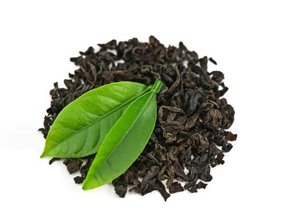
A powerful natural antioxidant biostimulant rich in epigallocatechin gallate (EGCG). Protects crops against oxidative stress triggered by drought, high salinity, and solar radiation while serving as a biological nutrient complexing agent.
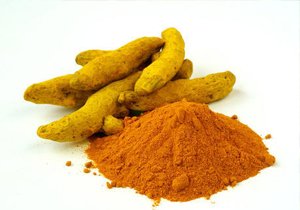
Extracted from high-potency Indian turmeric roots. Functioning as a dual biostimulant and bio-protective botanical, Curcumin activates plant host defense genes, improves root branching, and mitigates pathogenic fungal pressures in the root zone.
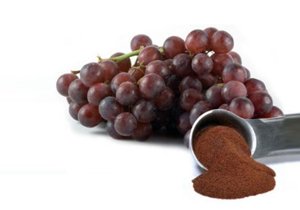
High density oligomeric proanthocyanidins (OPCs) provide superior radical-scavenging action. Used in foliar bio-fertilizer sprays to enhance chlorophyll retention, prevent early senescence, and lock in soil moisture during reproductive growth stages.
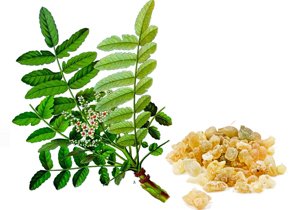
Derived from premium Indian Frankincense resin. Rich in pentacyclic triterpenes that act as natural plant signal elicitors, fortifying plant cell walls and aiding rapid recovery following frost damage, hail impact, or pesticide phytotoxicity.
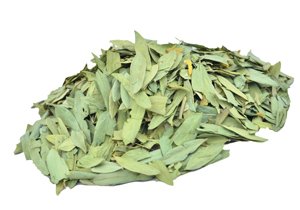
Contains natural anthraquinone glycosides that stimulate enzyme production in beneficial soil microbial colonies (e.g., Azotobacter and Phosphate Solubilizing Bacteria), boosting organic nitrogen fixation and phosphorus mobility.
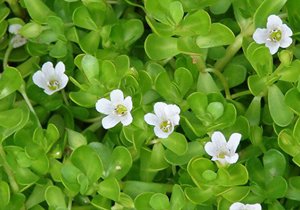
High-saponin botanical extract ideal for liquid bio-fertilizer formulations. Serves as a bio-surfactant to optimize water wetting angle on leaf cuticle surfaces and enhances root hair proliferation for maximum nutrient uptake efficiency.
3. Global Market & Procurement Trends: The Future of Plant Extracts in Bio-Fertilizers (2026–2035)
As global buyers navigate changing agricultural economics, the market for Plant Extracts for Bio Fertilizers is experiencing explosive growth, projected to expand at a CAGR exceeding 11.4% through 2035. Understanding these macro trends is vital for procurement managers and formulators seeking a durable competitive advantage:
Trend 1: Regulatory Phase-Out of Synthetic Surfactants and Chemical Chelates
Regulatory bodies such as EU ECHA and EPA are placing strict limits on synthetic organosilicone surfactants and synthetic chelating agents like EDTA and NTA due to environmental persistence and toxicity to aquatic life. Standardized botanical extracts—specifically high-saponin plant extracts—are rapidly replacing synthetic surfactants in liquid fertigation formulations because they provide 100% biodegradable wetting power without chemical residues.
Trend 2: Transition from Crude Bio-Mass to Standardized Phytochemical Assays
Historically, bio-fertilizer manufacturers used unstandardized botanical meal or crude plant powders. However, AI-driven agronomic modeling and modern commercial farming demand predictable, batch-to-batch consistent performance. Global procurement officers now specify strict active marker assays (e.g., minimum 95% polyphenols or verified saponin percentages determined by HPLC). Standardized extracts guarantee predictable nutrient uptake and stress-mitigation responses across variable soil temperatures and pH levels.
Trend 3: Climate-Resilient Agriculture and Osmoprotectant Phytochemicals
Extreme weather events—including prolonged droughts, flash floods, and unseasonable heatwaves—are severe threats to crop yields. Formulators are combining conventional N-P-K nutrient blends with botanical extracts rich in osmolytes and radical scavengers (such as proanthocyanidins and boswellic acids). These extracts prevent cell membrane breakdown, preserve stomatal regulation, and reduce crop yield loss under extreme climate stress.
Trend 4: Synergistic Blending with Biological Inoculants (Microbial Co-Formulation)
The bio-fertilizer sector is increasingly moving toward co-formulations that blend plant extracts with beneficial bio-inoculants, such as Trichoderma harzianum, Bacillus subtilis, and mycorrhizal fungi. Standardized polyphenols and glycosides act as prebiotic food sources for these beneficial microbes, accelerating mycorrhizal root colonization and maximizing soil microbial biomass.

Phyto Life Sciences: Pioneering Industrial Extraction for Agriculture
With over 25 years of manufacturing expertise based in Gandhinagar, Gujarat, India, Phyto Life Sciences operates state-of-the-art cGMP certified extraction lines. We process metric tons of botanical raw biomass under rigorous quality controls, converting raw Indian medicinal plants into refined, highly concentrated phytochemical powders engineered for global agricultural formulators.
Whether your formulation requires water-soluble saponin fractions for liquid fertigation or solvent-extracted polyphenolic powders for granular coating, our R&D team delivers custom active marker profiles, mesh sizes, and solubility characteristics to match your exact production specifications.
4. Frequently Asked Questions (FAQ) for Global B2B Buyers & Ag-Chem Formulators
Below are answers to complex technical, regulatory, and logistics queries frequently raised by global procurement leaders and ag-chem formulators when sourcing plant extracts for bio-fertilizers:
How do standardized plant extracts differ from raw botanical powders when formulated into liquid bio-fertilizers?
Raw botanical powders consist of crude ground plant material containing inert fibers, insolubiles, and highly variable active compound levels dependent on harvest conditions. In contrast, standardized plant extracts undergo concentrated solvent extraction, filtration, purification, and spray-drying. This yields a water-soluble or easily dispersible powder with guaranteed concentrations of bioactive molecules (e.g., 95% polyphenols or 50% saponins) validated by HPLC or UV-Vis spectrophotometry. Standardized extracts eliminate nozzle clogging in agricultural fertigation systems and deliver predictable bio-efficacy.
What physical stability and solubility testing should be conducted when blending plant extracts with liquid N-P-K or micronutrient solutions?
When introducing botanical extracts into liquid fertilizer concentrates, formulators should assess pH compatibility (most saponins and polyphenols perform best between pH 4.5 and 7.5), ionic strength stability, and potential precipitation with divalent cations (such as Ca2+ and Mg2+). Phyto Life Sciences provides fully purified, spray-dried extract grades specifically processed to minimize cold-water turbidity and prevent salting-out effects in high-density liquid fertigation blends.
Can botanical saponin extracts serve as natural surfactants in agricultural sprays?
Yes. Saponins (derived from sources like Bacopa, Yucca, and Tea Seed) are amphiphilic molecules featuring both hydrophilic sugar moieties and lipophilic aglycone (triterpenoid or steroid) cores. This molecular architecture significantly lowers droplet surface tension on leaf cuticles, enhances leaf surface coverage, increases stomatal infiltration of liquid fertilizers, and improves crop rain-fastness without causing leaf burn or phytotoxicity.
How do plant extracts interact with beneficial soil microbes like Mycorrhizae, Azotobacter, and Trichoderma?
Phytochemical extracts rich in specific glycosides, flavan-3-ols, and natural organic acids act as natural bio-elicitors and prebiotic energy sources for rhizosphere microorganisms. Studies show that low-dose polyphenolic and saponin applications stimulate microbial respiration, enhance bacterial cell wall transport mechanisms, and encourage rapid spore germination of beneficial endomycorrhizal fungi, leading to enhanced root colonization.
What documentation is provided by Phyto Life Sciences for international regulatory compliance and organic certification?
Every batch of plant extract exported by Phyto Life Sciences is accompanied by a comprehensive technical documentation package. This includes a detailed Certificate of Analysis (COA) detailing active assay levels, Heavy Metal Analysis by ICP-MS (Lead, Cadmium, Arsenic, Mercury compliance), Pesticide Residue Screening by GC-MS/LC-MS (complying with EU and US EPA limits), Microbiological Safety Testing, Material Safety Data Sheets (MSDS), Technical Data Sheets (TDS), and Country of Origin Certification.
What is the shelf life and ideal storage requirement for bulk botanical extract powders?
When stored in their original unopened double-polyethylene lined fiber drums in a cool, dry place below 25°C away from direct sunlight, our spray-dried plant extracts maintain certified bioactive potency and physical stability for 24 to 36 months. Anti-caking options and customized moisture barrier packaging are available for tropical or high-humidity export destinations.
What are the minimum order quantities (MOQ) and lead times for global B2B shipments?
Our standard Minimum Order Quantity (MOQ) for commercial bulk orders is 25 kg per extract (packaged in standard industrial drums). R&D evaluation samples (100g to 1kg) are readily available upon request for qualifying ag-chem formulators. Lead time for standard catalog items is typically 7 to 14 working days from our Gandhinagar facility to major Indian export ports (Nhava Sheva / Mundra).
Does Phyto Life Sciences offer custom extraction ratios and private-label contract manufacturing for agricultural inputs?
Yes. We provide comprehensive OEM/ODM custom extraction services. Our engineering team can adjust extraction solvents (water, ethanol, or hydro-alcoholic mixtures), tailor mesh sizes (from 40 mesh to 120 mesh powders), alter concentration ratios (e.g., 4:1 to 50:1), or standardize extracts against customer-specified marker compounds.
5. Why Global Ag-Chem Leaders Partner with Phyto Life Sciences P. Ltd.
Selecting the right raw material partner is critical to building a resilient, high-margin bio-fertilizer brand. Phyto Life Sciences P. Ltd. stands at the forefront of phytochemical extraction, offering an unparalleled blend of technical authority, quality assurance, and global supply chain security:
25+ Years Expertise
Decades of botanical extraction experience in Gujarat, India, delivering unmatched technical domain knowledge.
Advanced QA/QC Testing
In-house analytical suite equipped with HPLC, UV-Vis, ICP-MS, and GC-MS for zero-defect batch quality.
GMP & ISO Certified
Cleanroom processing adhering to global quality standards, ensuring pesticide-free, pure extracts.
Export to 30+ Nations
Established international logistics network serving leading fertilizer formulators across North America, Europe, LATAM, and Asia.
Our manufacturing facility in Gandhinagar, Gujarat leverages India’s rich biodiversity and agrarian ecosystem, sourcing raw, sustainable botanical biomass directly from audited agricultural partners. By eliminating intermediaries and maintaining complete control over solvent extraction, evaporation, concentration, and spray-drying, we guarantee competitive factory-direct pricing, robust batch-to-batch consistency, and complete traceability from seed to finished extract powder.
Accelerate Your Bio-Fertilizer Formulations with Standardized Phytochemicals
Request technical specifications, sample kits, or custom quotation for bulk order sourcing of Plant Extracts for Bio Fertilizers. Contact our technical sales team today.
Get a Quote