Phytochemicals for Anti-Allergic Medicines: Global Procurement & Formulation Guide

An authoritative B2B report on standardized botanical bio-actives, mast cell stabilizing phytochemicals, dual 5-LOX/COX-2 inhibitors, and non-sedating natural active ingredients for pharmaceutical and nutraceutical manufacturers worldwide.

1. Biological Foundations: The Paradigm Shift Toward Phytochemical-Based Anti-Allergic Formulations

Allergic conditions—ranging from allergic rhinitis, bronchial asthma, atopic dermatitis, to food hypersensitivities—present a growing global health burden. Pharmacologically, Type I (immediate) hypersensitivity reactions are triggered when environmental allergens cross-link allergen-specific Immunoglobulin E (IgE) bound to high-affinity FcεRI receptors on tissue mast cells and circulating basophils. This cross-linking activates intracellular signal cascades (MAPK, NF-κB, and PLCγ pathways), leading to degranulation and the rapid release of pre-formed inflammatory mediators like histamine, as well as de novo synthesis of leukotrienes (LTC4, LTD4, LTE4), prostaglandins (PGD2), and Th2-type cytokines (IL-4, IL-5, IL-13).

While synthetic first- and second-generation H1 receptor antagonists remain mainstays of therapy, their clinical utility is frequently limited by adverse effects such as sedation, anticholinergic dryness, tolerance development, and incomplete symptom resolution due to their single-target specificity. Consequently, modern pharmaceutical research and global nutraceutical formulators are aggressively pivoting toward standardized phytochemicals for anti-allergic medicines.

Clinical Information Gain: Multi-Target Pharmacodynamics of Plant Actives

Unlike synthetic monospecific drugs, plant-derived phytochemicals act via multi-target networks. They simultaneously suppress mast cell membrane fluidity, block IgE receptor transcription, inhibit 5-lipoxygenase (5-LOX) and cyclooxygenase-2 (COX-2) enzymatic activity, and neutralize reactive oxygen species (ROS) that exacerbate mucosal damage. This poly-pharmacological approach provides holistic inflammatory modulation without central nervous system depression.

As a leading Indian manufacturer and exporter, Phyto Life Sciences P. Ltd. stands at the forefront of this green pharmacological revolution. Headquartered in Gandhinagar, Gujarat, our GMP- and ISO-certified facility processes wild-crafted and sustainably farmed Indian botanicals into high-purity, standardized phytochemical extracts specifically refined for inclusion in prescription allergic therapeutics, OTC anti-allergic syrups, nasal sprays, oral solid doses, and dermatological barrier repair creams.

Require Custom Bio-Assay Standardized Phytochemicals?

Request batch specifications, HPLC chromatograms, and bulk B2B pricing from our R&D technical team.

Send an Inquiry

2. Standardized Phytochemical Actives Recommended for Anti-Allergic Formulations

Achieving therapeutic consistency in natural anti-allergic medicines requires precise standardization of chemical markers. Phyto Life Sciences isolates and standardizes key bioactive molecules known for potent antihistaminic, leukotriene-inhibiting, and mast-cell-stabilizing activity. Below are our premier phytochemical raw materials engineered for global pharmaceutical and nutraceutical procurement.

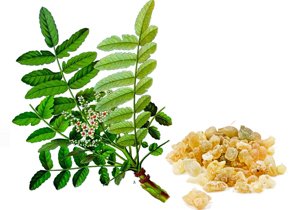
Boswellia Serrata Extract Boswellic Acids

Boswellic Acids (Boswellia Serrata)

65% – 85% Titration / HPLC

Direct non-redox inhibitor of 5-lipoxygenase (5-LOX). Effectively halts leukotriene synthesis (LTB4, LTC4) responsible for airway constriction, mucosal edema, and allergic asthma flare-ups.

Send an Inquiry
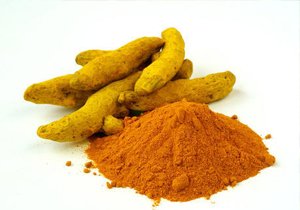
Curcumin Extract 95% Standardized

Curcuminoids 95% (Curcuma Longa)

95% Total Curcuminoids HPLC

Potent NF-κB transcription factor inhibitor. Downregulates IgE-mediated mast cell degranulation, suppresses histamine release, and diminishes IL-4 and IL-5 cytokine expression.

Send an Inquiry
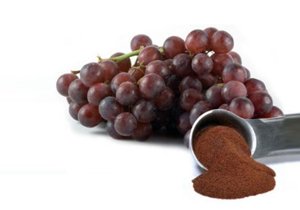
Grape Seed Extract Proanthocyanidins

Proanthocyanidins (Grape Seed)

95% OPC / UV-Vis

High-potency bioflavonoid complex that reduces capillary fragility, inhibits hyaluronidase enzymes, and prevents vascular leakage during acute allergic rhinitis and urticaria.

Send an Inquiry
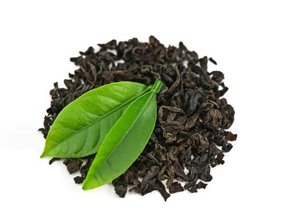
Green Tea Extract 95% EGCG

EGCG Polyphenols (Green Tea 95%)

95% Polyphenols / 45% EGCG

Epigallocatechin Gallate (EGCG) binds directly to lipid rafts, inhibiting FcεRI expression on human basophils and suppressing allergen-induced histamine and leukotriene secretion.

Send an Inquiry
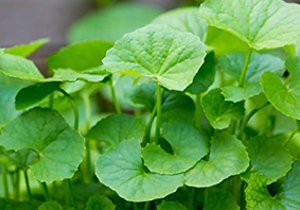
Centella Extract Asiaticosides

Asiaticosides (Centella Asiatica)

10% – 40% Triterpenes HPLC

Promotes mucosal tissue regeneration, fortifies skin barrier tight junctions against allergen penetration, and accelerates recovery in allergic dermatitis and eczema.

Send an Inquiry
Natural Pure Herbal Extracts Bulk

Custom Anti-Allergic Botanical Blends

Custom Ratios (10:1 to 50:1)

Synergistic extracts combining Glycyrrhiza glabra (Glycyrrhizin), Adhatoda vasica (Vasicine), and Ocimum sanctum to deliver multi-phase relief for upper respiratory allergic distress.

Send an Inquiry

Phytochemical Technical & Pharmacological Comparison Table

For B2B formulators evaluating active pharmaceutical ingredients (APIs) and functional nutraceutical grade extracts, the table below outlines technical parameter benchmarks guaranteed across our batch production runs:

Phytochemical Active Botanical Source Standardized Marker Primary Anti-Allergic Target Pharmacopeial Grade Compliance
Boswellic Acids Boswellia Serrata Gum Resin ≥65% Total Boswellic Acids (HPLC) 5-LOX Enzymatic Pathway / Leukotriene Inhibition USP / EP / IP Monograph Compliant
Curcuminoids Curcuma Longa Rhizome 95% Curcuminoids (HPLC) NF-κB Suppression / Mast Cell Membrane Stabilization USP / EP / FCC Grade
Proanthocyanidins Vitis Vinifera Seed ≥95% OPC (UV-Vis) Vascular Permeability / Histamine Binding Food & Pharma Grade
Epigallocatechin Gallate Camellia Sinensis Leaf ≥95% Polyphenols / 45% EGCG FcεRI Receptor Downregulation Pharma Grade / Standardized Extract
Triterpenoid Asiaticosides Centella Asiatica Whole Herb 10% - 40% Asiaticosides (HPLC) Mucosal Barrier Strengthening & Epidermal Repair Cosmeceutical & Pharma Grade

3. Global Development & Future Procurement Trends in Anti-Allergic Phytochemicals (2026–2032)

As international regulatory bodies tighten scrutiny on synthetic APIs and global consumer demand shifts decisively toward clean-label bio-based medicines, procurement directors and formulation scientists must anticipate key structural shifts in the phytochemical supply chain.

Trend 1: Assay-Driven Standardization Over Crude Extraction Ratios

The pharmaceutical industry is rapidly phasing out traditional ratio extracts (e.g., 10:1, 20:1) in favor of strictly quantified chemical marker assays measured via validated High-Performance Liquid Chromatography (HPLC) and Liquid Chromatography-Mass Spectrometry (LC-MS). Modern anti-allergic drug dossiers require precision-quantified active molecules (such as AKBA—3-O-acetyl-11-keto-β-boswellic acid) to guarantee bio-equivalence across manufacturing lots. Phyto Life Sciences provides batch-specific HPLC fingerprinting for all anti-allergic phytochemical shipments.

Trend 2: Bioavailability Enhancement Platforms (Phytosomes & Nanocarriers)

A historical challenge of lipophilic anti-allergic phytochemicals like Curcumin and Boswellic Acids has been low oral bioavailability and rapid systemic metabolism. The market is witnessing a massive surge in demand for phospholipid-complexed extracts (Phytosomes), self-emulsifying drug delivery systems (SEDDS), and micronized powders (<10 microns). These physical modifications dramatically enhance mucosal absorption and bioavailability by up to 600%, allowing lower therapeutic dosages with superior clinical efficacy.

Trend 3: Ultra-Low Pesticide & Ethylene Oxide (EtO) Compliance

Stringent EU regulations (Regulation EC No 396/2005) and US FDA import alerts have elevated contaminant testing to a primary procurement metric. Global buyers no longer accept simple certificates of compliance; they demand multi-residue gas chromatography (GC-MS/MS) screening covering over 400 pesticide compounds, heavy metal detection down to parts-per-billion (ppb) via ICP-MS, and 100% EtO-free sterilization validation.

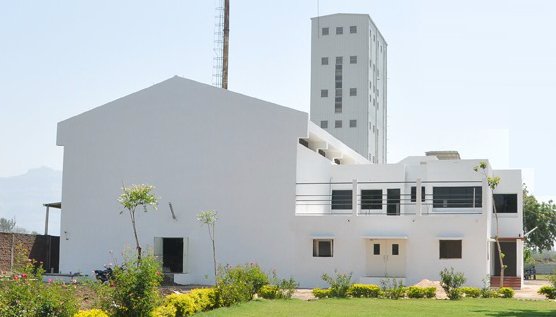
Phyto Life Sciences Advanced Extraction and QC Testing Facility India

Trend 4: Regulatory Alignment & Complete Batch Traceability

Pharmaceutical buyers require suppliers capable of providing Drug Master File (DMF) technical packages, ISO 17025 accredited laboratory certificates, non-GMO declarations, and complete farm-to-factory supply chain traceability. Sourcing from India’s agricultural hubs—specifically through direct contracts managed by established entities like Phyto Life Sciences—ensures compliance with Nagoya Protocol sustainability guidelines and global pharmacopeial standards.

Plan Your 2026 Bulk Procurement Strategy

Partner with Phyto Life Sciences for guaranteed contract manufacturing, stable batch pricing, and regulatory dossier support.

Send an Inquiry

4. Frequently Asked Questions (FAQ) for Global B2B Buyers & Formulators

Below are technical solutions to the most common queries posed by pharmaceutical purchasing directors, regulatory officers, and formulation chemists seeking to source phytochemicals for anti-allergic drug development.

Q1: How do standardized phytochemicals compare to synthetic H1-antihistamines in terms of side effects and efficacy?

Answer: First-generation H1-antihistamines (e.g., Diphenhydramine) cross the blood-brain barrier, causing pronounced sedation and cognitive impairment. Second-generation drugs (e.g., Cetirizine, Loratadine) minimize sedation but primarily block a single receptor. Standardized phytochemicals like Boswellic Acids and Curcuminoids modulate multiple pathways simultaneously—inhibiting leukotriene production via 5-LOX, stabilizing mast cell membranes, and suppressing inflammatory cytokines—without causing central nervous system sedation or dryness.

Q2: What analytical techniques does Phyto Life Sciences utilize to verify active compound purity?

Answer: Our in-house Quality Control analytical laboratory utilizes High-Performance Liquid Chromatography (HPLC) with UV/PDA detectors, Gas Chromatography-Mass Spectrometry (GC-MS/MS), High-Performance Thin-Layer Chromatography (HPTLC), Atomic Absorption Spectroscopy (AAS), and ICP-MS for elemental heavy metal verification. Every batch is supplied with a comprehensive Certificate of Analysis (COA).

Q3: Can Phyto Life Sciences provide phytochemical extracts that comply with European Pharmacopoeia (EP) pesticide limits?

Answer: Yes. Our extraction facility in Gandhinagar operates under stringent raw material intake controls. We perform comprehensive 400+ multi-pesticide residue screenings to ensure full compliance with EP 2.8.13 and USP <561> limits, making our anti-allergic phytochemicals fully import-compliant for the European Union, United Kingdom, North America, and Japan.

Q4: What is the typical shelf life and recommended storage protocol for bulk anti-allergic extracts?

Answer: When stored in original unopened double-layer polyethylene bags enclosed within high-density fiber drums in a cool, dry place away from direct sunlight and moisture (temperature < 25°C, relative humidity < 60%), our standardized powder extracts maintain a validated shelf life of 36 to 48 months from the date of manufacturing.

Q5: Do you offer custom particle sizing (e.g., micronization) for specialized allergic drug delivery systems?

Answer: Absolutely. We offer custom air-jet milling and particle size mesh tailoring ranging from standard 60-mesh up to 300-mesh ultrafine powders, as well as water-dispersible and granulate formats designed specifically for high-speed tablet compression, hard gelatin encapsulation, or oral syrup suspensions.

Q6: What regulatory and technical documentation accompanies international commercial shipments?

Answer: Each commercial shipment is dispatched with a full technical binder including: Batch Certificate of Analysis (COA), Material Safety Data Sheet (MSDS), Technical Data Sheet (TDS), Method of Analysis (MOA), Non-GMO Certificate, BSE/TSE-Free Statement, Allergen Declaration, and Certificate of Origin.

Q7: What are your minimum order quantities (MOQ) and lead times for bulk export orders?

Answer: Standard commercial MOQ for catalog phytochemical extracts is 25 kg (one standard drum). For custom synthesis, specialized assays, or contract extraction projects, MOQs vary. Standard export dispatch lead time is 7 to 14 days post-order confirmation, with air and sea freight logistics routed seamlessly through major Indian ports (Ahmedabad Air Cargo, Nhava Sheva/Mundra Sea Ports).

Q8: How does Phyto Life Sciences guarantee batch-to-batch consistency across seasonal harvest variations?

Answer: We mitigate natural agrarian variability through long-term contract cultivation agreements with accredited botanical growers across India, combined with large-scale raw material homogenization and state-of-the-art multi-stage extraction controls. Our standardized blending protocols ensure that active chemical markers strictly conform to specified contract percentages regardless of harvest season.

5. Enterprise Strengths: Why Phyto Life Sciences Is the Trusted Global Partner for Anti-Allergic Phytochemicals

For over two decades, Phyto Life Sciences P. Ltd. has established itself as an authoritative manufacturer and worldwide exporter of high-grade phytochemicals, standardized herbal extracts, and traditional Ayurvedic bio-actives. Situated in the industrial corridor of Gandhinagar, Gujarat, India, our organization combines traditional botanical expertise with modern pharmaceutical extraction technologies.

GMP & ISO Certification

Fully certified manufacturing facilities operating under strict current Good Manufacturing Practices (cGMP) and ISO 9001:2015 quality management systems.

State-of-the-Art Analytical Testing

In-house quality assurance labs equipped with HPLC, UV-Vis spectrophotometers, stability chambers, and microbiological testing infrastructure.

Robust Global Export Supply

Established supply chain network delivering certified phytochemical raw materials to pharmaceutical formulators across 30+ countries worldwide.

Sustainable & Ethical Sourcing

Direct partnerships with Indian agricultural cooperatives ensuring 100% natural, ethically harvested, non-GMO raw botanical inputs.

Custom Extract Processing

Flexible manufacturing capabilities tailored to custom active assay targets, solvent selection (aqueous, ethanol, hydro-alcoholic), and particle sizing.

Full Regulatory Dossier Support

Comprehensive documentation packages ensuring rapid customs clearance and seamless integration into international drug master files.

The Phyto Life Sciences Quality Commitment

Every kilogram of phytochemical powder manufactured in our Gandhinagar facility undergoes rigorous multi-tier testing before release. We guarantee 100% botanical authenticity, uncompromised active marker concentration, and strict freedom from adulterants, heavy metals, synthetic spikes, and microbial contaminants.

Whether you are developing a novel OTC anti-allergic respiratory capsule, an anti-inflammatory nasal spray, or an advanced dermatological cream for allergic eczema, Phyto Life Sciences delivers the standardized botanical actives required to meet global clinical standards.

Start Your Strategic Bulk Sourcing Partnership Today

Connect directly with our technical experts to receive samples, specifications, and custom quote proposals.

Send an Inquiry