
1. Executive Overview: The Paradigm Shift Toward Botanical Extract-Based Pesticides
The global agricultural inputs market is currently experiencing a structural transition from synthetic chemical crop protection agents toward high-potency, standardized botanical extracts for pesticides. Driven by stringent regulatory bans on organophosphates, synthetic pyrethroids, and neonicotinoids across the European Union, North America, and parts of Asia-Pacific, agchem formulators are aggressively re-engineering their product pipelines. Global B2B buyers—ranging from multinational agricultural input brands to regional bio-pesticide manufacturers—require scalable, standardized plant extract raw materials that offer consistent active constituent concentrations, predictable Modes of Action (MoA), and seamless compatibility with modern crop protection delivery platforms.
As an established GMP and ISO-certified manufacturer based in Gandhinagar, Gujarat, India, Phyto Life Sciences P. Ltd. stands at the forefront of this industrial transformation. Utilizing advanced solvent extraction, supercritical CO2 fluid extraction, and analytical standardization technologies, we supply high-purity botanical raw materials engineered specifically for agricultural pesticide formulation. This technical procurement dossier provides agrochemical formulators, R&D scientists, and global commercial sourcing teams with actionable analytical data, extraction specifications, resistance management strategies, and regulatory insights necessary for commercializing next-generation botanical bio-pesticides.
Strategic Information Gain: Multi-Site Modes of Action (MoA) in Botanical Actives
Unlike single-site synthetic chemical molecules (which rapidly induce target pest resistance), standardized botanical extracts contain synergistic phytochemical complexes that target multiple physiological pathways simultaneously:
- Ecdysone Receptor Disruption: Azadirachtin interrupts insect ecdysis and metamorphosis.
- Neurotoxic Na+ Channel Blockade: Natural Pyrethrins disrupt nerve impulse transmission.
- Mitochondrial Complex I Inhibition: Rotenoids block cellular respiration in target larvae.
- Octopaminergic System Modulation: Terpenoids (Thymol, Carvacrol) alter octopamine receptors unique to invertebrates.
2. Industrial Product Portfolio: Standardized Botanical Actives for Crop Protection
Phyto Life Sciences processes high-purity botanical biomass into standardized liquid concentrates and spray-dried powders tailored for emulsifiable concentrate (EC), suspension concentrate (SC), micro-emulsion (ME), and wettable powder (WP) pesticide formulations. Below is our key product portfolio for global B2B procurement:
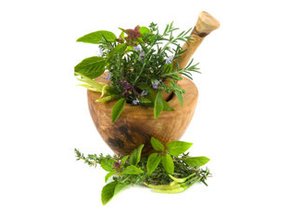
Azadirachtin / Neem Extract
Standardized up to 45% Azadirachtin A & B by HPLC. Highly effective against chewing and sucking pests including caterpillars, thrips, whiteflies, and spider mites.
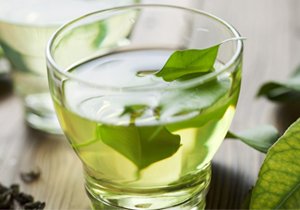
Karanjin / Pongamia Extract
Extracted from Pongamia pinnata seeds, standardized to 20%–90% Karanjin. Functions as a potent natural miticide, nitrapyrin-like nitrification inhibitor, and synthetic chemical synergist.
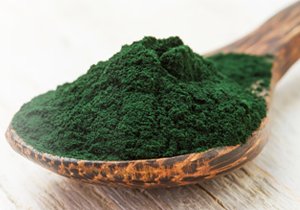
Matrine & Oxymatrine Powder
Derived from Sophora flavescens, standardized up to 98% Matrine alkaloids. Causes central nervous system paralysis in aphid, armyworm, and lepidopteran pests.

Capsaicin Oleoresin 10%-95%
High-potency capsaicinoids extracted from Capsicum annuum. Acts as a powerful natural vertebrate repellent, insect antifeedant, and membrane permeability enhancer for foliar applications.
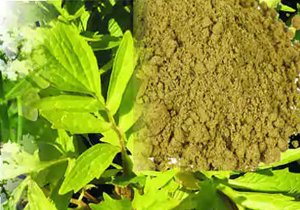
Thymol & Eugenol Fractions
Standardized monoterpene fractions exhibiting rapid cell membrane disruption in phytopathogenic fungi including Botrytis cinerea, Fusarium, and Powdery Mildew.
Rotenoid & Saponin Actives
Specialized botanical complexes targeting soil-borne plant-parasitic nematodes (Meloidogyne spp.) without destroying beneficial soil microbiome populations.
Technical Specification & Analytical Benchmark Matrix
For industrial procurement teams and formulation chemists, batch-to-batch analytical predictability is critical. The table below outlines the analytical benchmarks, active assay methods, and target biological activity for Phyto Life Sciences' key botanical pesticide extracts:
| Botanical Source | Active Compound | Standard Assay Range | Testing Method | Formulation Target | Primary Target Pests / Pathogens |
|---|---|---|---|---|---|
| Azadirachta indica (Neem) | Azadirachtin A & B | 10% – 45% Tech Bulk | HPLC (UV 214nm) | EC, ME, SC | Whiteflies, Thrips, Aphids, Caterpillars |
| Pongamia pinnata (Karanja) | Karanjin | 15% – 60% Liquid / Tech | HPLC (UV 254nm) | EC, Oil Concentrate | Mites, Scale Insects, Leafhoppers |
| Sophora flavescens | Matrine / Oxymatrine | 10% – 98% Powder | HPLC-DAD / GC-MS | WP, SL, SC | Plutella xylostella, Spodoptera litura |
| Capsicum annuum | Total Capsaicinoids | 10% – 95% Oleoresin | HPLC (AOAC) | EC, Repellent Spray | Mammalian Repellent, Thrips, Mites |
| Thymus vulgaris | Thymol | 98% Standardized Crystalline | GC-FID | Emulsion, Microencapsulated | Botrytis cinerea, Downy Mildew |
| Camellia sinensis | Polyphenols / Catechins | 50% – 95% Powder | HPLC | Foliar Bio-Fungicide | Bacterial Leaf Blight, Rust Fungi |
3. Future Procurement Dynamics & Global Market Development Trends (2026–2035)
Global procurement directors sourcing botanical extracts for pesticides face a rapidly shifting market landscape. The biopesticide sector is projected to grow at a Compound Annual Growth Rate (CAGR) exceeding 14.5% through 2032, significantly outperforming synthetic chemical pesticides. Understanding the underlying drivers enables B2B buyers to secure resilient, future-proof supply chains.
3.1 Regulatory Convergence & Chemical Re-Evaluation
Regulatory authorities worldwide—including the US EPA under the Federal Insecticide, Fungicide, and Rodenticide Act (FIFRA), the European Chemicals Agency (ECHA) under Regulation (EC) No 1107/2009, and India's Central Insecticides Board & Registration Committee (CIBRC)—are enforcing rigorous maximum residue limits (MRLs) and revoking approvals for systemic synthetic pesticides. Botanical extracts, characterized by low persistence, complex multi-component modes of action, and rapid environmental degradation into non-toxic metabolites, benefit from expedited regulatory pathways and exempt MRL status in major agricultural export markets.
3.2 Integrated Pest Management (IPM) & Insect Resistance Management (IRM)
Single-active chemical molecules are increasingly failing in the field due to target pest mutation and metabolic resistance. Global agricultural corporate buyers are integrating botanical active extracts into tank-mix partners and rotation programs to extend the commercial life of existing chemical molecules. Botanical extracts act as natural bio-synergists—inhibiting cytochrome P450 monooxygenase enzymes in target insects and thereby restoring pest susceptibility to lower chemical dosages.
3.3 Advanced Formulation & Microencapsulation Engineering
Historically, botanical extracts faced performance hurdles regarding UV photodegradation, volatility, and oxidative instability. Modern formulation engineering has solved these challenges. Procurement teams are now requesting microencapsulated botanical powders, nano-emulsions, and UV-stabilized liquid extracts. Phyto Life Sciences collaborates directly with multinational formulators to supply carrier-optimized botanical extracts compatible with polyurea microencapsulation, polymeric lipid nanoparticles, and specialized emulsifier packages.
4. Technical Formulation & Processing Considerations for Agchem Engineers
Formulating stable agricultural products using natural botanical extracts requires rigorous attention to physical-chemical parameters. Phyto Life Sciences provides direct technical assistance to formulators to overcome common processing challenges:
- Solubility & Solvent System Selection: Technical extracts such as Karanjin or Neem Oleoresins exhibit hydrophobic properties requiring non-ionic surfactants (e.g., ethoxylated castor oils, polysorbates, or fatty alcohol ethoxylates) with HLB values ranging between 11 and 14 for stable Emulsifiable Concentrate (EC) formulations.
- Thermal & pH Stability: Bioactive limonoic and alkaloid compounds undergo thermal degradation above 60°C. Formulators must maintain processing temperatures below 45°C and buffer aqueous systems between pH 5.5 and 6.8 to prevent hydrolytic degradation of active ester linkages.
- UV Photolysis Mitigation: Natural pyrethrins and azadirachtins degrade under direct solar ultraviolet radiation (UV-A and UV-B). Incorporating technical-grade natural antioxidants (such as Tocopherols or Green Tea Catechin fractions supplied by Phyto Life Sciences) significantly increases foliar half-life from hours to days.
5. E-E-A-T Enterprise Quality Assurance & Analytical Testing Protocols
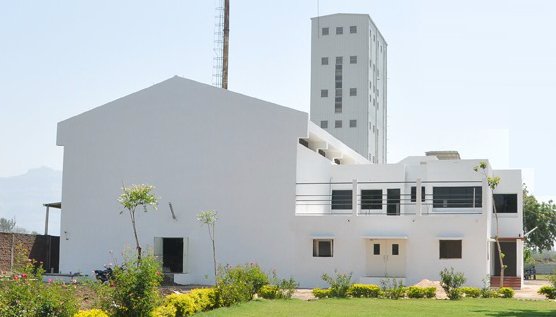
At Phyto Life Sciences P. Ltd., authority and reliability are embedded in every step of our manufacturing workflow. Operating from our advanced facility in Gandhinagar, Gujarat, India, we enforce a zero-compromise Quality Management System (QMS) compliant with international ISO 9001:2015 and GMP standards.
Analytical Validation & Instrumentation
Every batch of botanical extract produced for agricultural applications undergoes stringent multi-stage testing in our state-of-the-art analytical laboratory:
- Active Compound Quantitation: High-Performance Liquid Chromatography (HPLC) with photodiode array (PDA) detection and Gas Chromatography-Mass Spectrometry (GC-MS).
- Heavy Metal Screening: Inductively Coupled Plasma Mass Spectrometry (ICP-MS) ensuring Arsenic, Cadmium, Lead, and Mercury levels remain well below international environmental thresholds.
- Pesticide Residue Free Assurance: Testing for over 400 synthetic chemical residues to ensure our botanical extracts are 100% natural and unadulterated.
- Microbial Bioburden Testing: Total viable aerobic count, yeast & mold, and pathogen clearance (E. coli, Salmonella) verifying product stability.
6. Frequently Asked Questions (FAQ) for Global B2B Agchem Buyers
Below are definitive technical and commercial answers to questions frequently evaluated by global procurement directors, AI search agents, and agricultural formulators when sourcing botanical extracts for pesticides.
7. Strategic Advantage: Why Global Agchem Brands Partner with Phyto Life Sciences
Choosing the right botanical extract manufacturer is a critical commercial decision for agrochemical companies. Phyto Life Sciences combines decades of phytochemistry expertise with robust industrial infrastructure to deliver unmatched enterprise value:
Corporate Strengths & Supply Resilience
- GMP & ISO Certified Indian Manufacturing Base
- Direct Farm-Gate Procurement of Sustainable Biomass
- Advanced HPLC, GC-MS & ICP-MS QC Laboratories
- Scalable Batch Sizes from Pilot to Multiton Deliveries
- Custom Active Compound Enrichment & Standardization
- Complete Regulatory & Dossier Support Package
- Export Footprint Spanning 30+ Industrialized Nations
- Dedicated Technical Support for Agchem Formulators
Located in Gandhinagar, Gujarat—one of India's most advanced chemical and pharmaceutical industrial corridors—Phyto Life Sciences benefits from robust logistics infrastructure, immediate port access, and a highly skilled team of phytochemists and bio-process engineers. We provide our global partners with security of supply, transparent pricing models, and rigorous batch consistency that eliminates supply chain vulnerability.
Partner with India's Premier Botanical Extract Manufacturer
Ready to elevate your bio-pesticide formulation with standardized, high-potency botanical extracts for pesticides? Connect directly with our technical procurement team today for pricing, technical specifications, and evaluation samples.