

0%

Choosing Bacopa Extract for a product begins with more than a familiar botanical name. Bacopa monnieri has a long history of traditional use, while modern product development demands consistent quality and clear documentation. A well-prepared extract can offer a defined concentration of marker compounds, helping formulators manage batch-to-batch variation. This matters when a powder changes from pale green to brown, or when its earthy aroma becomes unexpectedly strong.

The practical value depends on sourcing, extraction, and testing. Responsible suppliers should provide botanical identification, origin details, contaminant screening, and a current certificate of analysis. Testing may include assays for bacosides, heavy metals, microbes, pesticides, and residual solvents. These records help connect the ingredient’s label claim with what is actually inside the container. They also support informed decisions about capsules, beverages, gummies, and other formats.

Still, Bacopa Extract is not automatically the right choice for every product. Its taste can be distinctly bitter. Its performance may vary with extraction methods and formulation conditions. Human research is promising in some areas, but results should not be exaggerated or presented as guaranteed outcomes. I would examine the target consumer, serving size, stability data, and intended market before making a claim. That step is easy to overlook. Careful manufacturers should also review local regulations and update their evidence files as standards change. Chosen thoughtfully, Bacopa Extract can add a credible botanical option, provided quality, transparency, and realistic communication remain central to the product strategy.
Why Choose Bacopa Extract for Your Product?

What Is Bacopa Extract?

Why Choose Bacopa Extract for Your Product?

What Is Bacopa Extract?

Bacopa extract is a botanical ingredient made from Bacopa monnieri, a small aquatic herb. Its leaves and stems have a long history in Ayurvedic practices. Modern extracts are often measured by bacoside content, a group of naturally occurring compounds. That detail matters. It helps manufacturers compare materials more consistently, although bacoside percentage does not explain every biological effect. Research has explored memory, attention, stress, and related cognitive outcomes. Results are promising but not uniform. Good science leaves room for uncertainty.

For a finished product, extract identity should be verified through botanical testing and documented specifications. A reliable supplier should provide information on plant part, extraction method, solvent controls, and batch testing. Testing may include checks for heavy metals, microbes, pesticides, and unwanted adulterants. These details are not decorative. They protect formulation quality from harvest to capsule or powder. An experienced formulator also considers taste, color, stability, and compatibility with other ingredients. Bacopa can taste bitter. That practical issue is easy to underestimate.

Human studies commonly use daily extracts, but product developers should not copy a study blindly. Extract ratios, standardization, duration, and participant profiles can differ. Claims should remain measured and evidence-based, avoiding promises of treating disease. Clear labeling and professional review strengthen consumer trust. I would also question any specification that looks unusually perfect. Transparent limitations often signal better judgment than confident marketing.

How Bacopa Extract Is Produced

Bacopa extract begins with correct botanical identification. Bacopa monnieri can resemble other small, creeping herbs. Experienced suppliers verify the plant part, growing location, and harvest condition before processing. Leaves and stems are usually cleaned, inspected, and dried under controlled temperatures. Excessive heat may affect sensitive plant compounds.

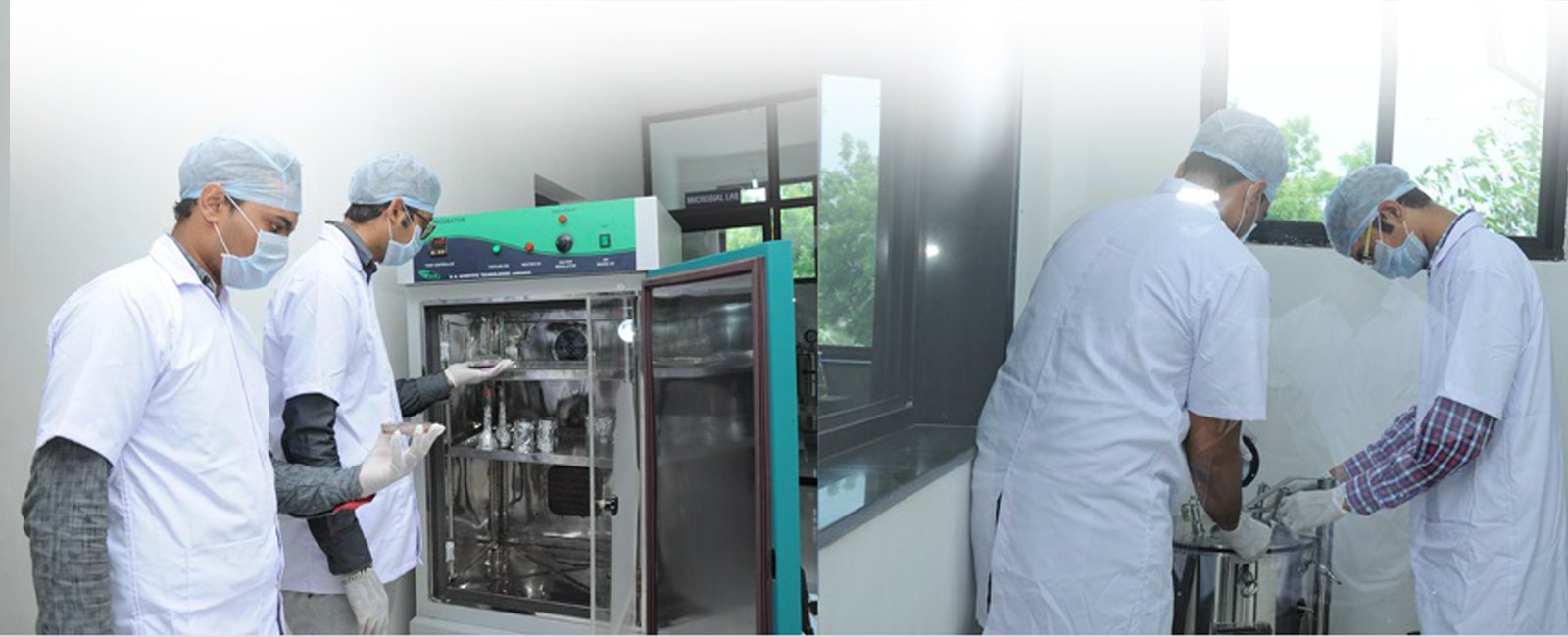
The dried material is milled into a consistent powder. Water, ethanol, or a permitted mixture may then draw out the target constituents. The solvent choice changes the extract’s color, aroma, texture, and chemical profile. After extraction, filtration removes plant fibers and unwanted particles. The liquid is concentrated and commonly converted into a dry powder through spray drying or vacuum drying. The process sounds simple.

It is not perfectly uniform. Harvest season, drying speed, and moisture levels can change each batch. Reliable production therefore requires documented procedures and suitable testing. Laboratories may examine identity, moisture, microbial levels, heavy metals, pesticides, and bacoside content. These checks do not replace good manufacturing practice, but they provide useful evidence. A clear specification should state the plant name, extraction ratio, solvent system, and marker-compound range. Product developers can then compare materials more fairly and select an extract suited to capsules, beverages, or functional powders. Careful records also make unexpected results easier to investigate.

Why Choose Bacopa Extract for Your Product?

Bacopa monnieri extract is produced through a controlled sequence of botanical inspection, drying, extraction, filtration, concentration, and drying. The process helps preserve and concentrate bacosides, the principal marker compounds used for extract standardization.

The chart shows representative processing times for a batch workflow. Actual durations vary according to raw-material moisture, extraction solvent, equipment capacity, and the target bacoside specification.

Key Compounds in Bacopa Extract

Why Choose Bacopa Extract for Your Product?

Key Compounds in Bacopa Extract

Bacopa extract is valued for its naturally diverse chemical profile. The most discussed compounds are bacosides, a group of dammarane-type triterpenoid saponins. Bacoside A is often used as a quality marker. However, it does not represent the entire extract. Bacopaside I, bacopaside II, and related saponins may also contribute to its identity and performance.

Other compounds include alkaloids, flavonoids, phenylethanoid compounds, and plant sterols. These substances occur in smaller amounts, but they still matter during ingredient evaluation. Their levels can change with harvest conditions, plant maturity, extraction solvents, and processing temperatures. Small details matter.

In practical formulation work, a standardized bacoside level can improve consistency between batches. Yet standardization alone is not enough. A high marker value does not automatically mean a better ingredient. Suppliers should document botanical identity, extraction methods, test results, and contaminant controls. Reliable testing may include chromatography, microbiological analysis, and stability checks.

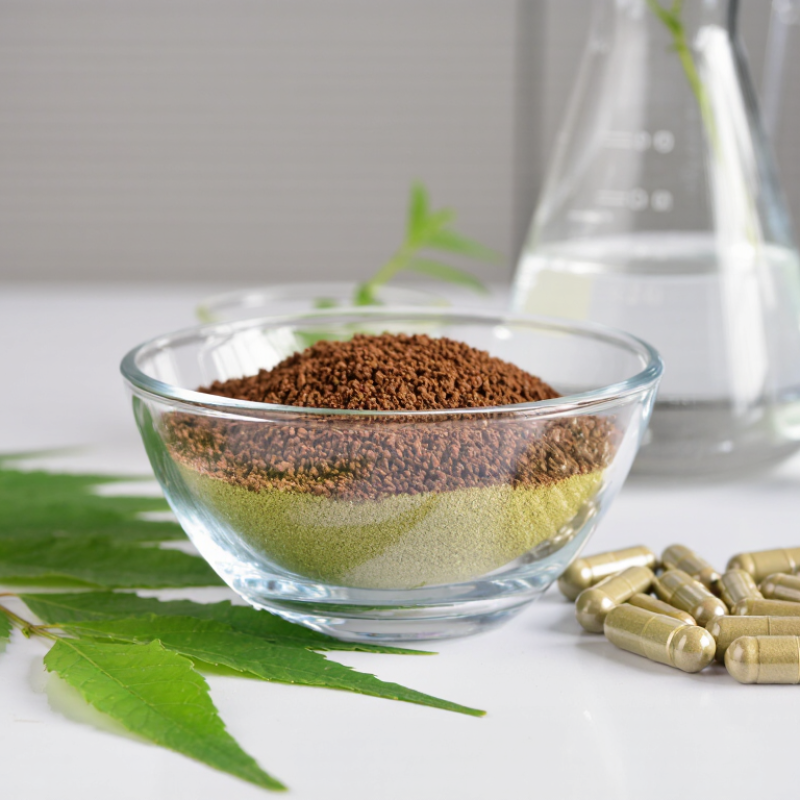
The extract’s appearance can also offer useful clues. A fine brown powder may show slight variation in color or aroma. That is normal for a botanical ingredient, but unusual changes deserve investigation. Product developers should consider dosage form, moisture exposure, and compatibility with other ingredients. It is easy to overstate what one compound does. A more careful approach examines the whole extract, its evidence, and its manufacturing history.

Why Choose Bacopa Extract for Your Product? - Key Compounds in Bacopa Extract

Key Compound or Group Chemical Classification Natural Occurrence in Bacopa Product-Relevant Function Analytical and Formulation Considerations
Bacoside A Fraction Mixture of dammarane-type triterpenoid saponins A characteristic saponin fraction reported from the aerial parts of Bacopa monnieri Provides a recognizable identity marker for bacopa-based botanical products and is commonly associated with extract standardization The term refers to a fraction rather than one single molecule; supplier specifications should identify the assay method and marker definition
Bacoside A3 Triterpenoid saponin Reported as one of the major constituent saponins in bacopa extracts Can contribute to the chemical fingerprint used to distinguish and characterize bacopa extract Best evaluated with chromatographic methods such as HPLC or LC-MS; concentration depends on plant material and extraction conditions
Bacopaside I Dammarane-type triterpenoid saponin Naturally occurring in Bacopa monnieri and detected among its bacopaside constituents Supports a broader multi-marker approach when profiling the botanical extract Should not automatically be treated as interchangeable with total bacosides; the product specification should state the exact analyte or marker panel
Bacopaside II Triterpenoid saponin Reported as a constituent of the bacoside-rich fraction of the plant Adds specificity to the chemical description of an extract beyond a single total-saponin value Chromatographic retention time, reference standards, and validated assay conditions are important for reliable quantification
Bacopasaponin C Triterpenoid saponin One of the named saponins reported in bacopa phytochemical studies Helps describe the characteristic saponin profile that gives bacopa extracts their botanical identity Saponins can affect foaming, taste, and interfacial behavior; formulation compatibility should be checked in the finished dosage form
Bacopaside X Dammarane-type triterpenoid saponin Reported among the characteristic triterpenoid saponins of Bacopa monnieri Can be included in a multi-component quality profile for botanical identity and batch comparison Levels may vary with cultivar, growing conditions, plant part, harvest stage, and extraction solvent
Hersaponin Triterpenoid saponin A reported saponin constituent of bacopa herb Contributes to the broader phytochemical profile of the extract rather than serving as the only identity marker Its presence and relative abundance should be interpreted together with other saponin markers and botanical authentication data
Flavonoids and Phenolic Compounds Polyphenolic secondary metabolites Present in smaller and variable amounts compared with the characteristic triterpenoid saponins May contribute to the overall antioxidant profile and sensory characteristics of the botanical extract Total phenolic or flavonoid values are method-dependent and should not be used as a substitute for bacoside-specific testing
Total Bacosides Composite quality marker Represents the combined level of selected bacoside or bacopaside markers defined by a particular analytical specification Useful for setting a consistent potency target across production batches Results are not directly comparable unless the reference standard, calculation basis, extraction ratio, moisture basis, and analytical method are the same

Quality note: The concentration and relative composition of bacopa compounds vary according to botanical identity, plant part, cultivation conditions, harvest timing, processing, extraction solvent, and standardization method. Product specifications should therefore define the extract ratio, solvent system, marker compounds, assay method, and acceptance criteria.

Benefits of Using Bacopa Extract in Products

Why Choose Bacopa Extract for Your Product?

Bacopa extract offers a practical botanical option for products supporting memory and mental performance. A 2012 systematic review in the Journal of Alternative and Complementary Medicine examined six randomized, controlled trials. The review found potential improvements in memory, especially delayed recall, but noted small sample sizes and different extract profiles. Several human studies used approximately 300 mg daily for 12 weeks, with standardized bacoside content.

The benefits depend on more than adding powder to a formula. A reliable extract should have verified botanical identity, consistent bacoside levels, and testing for heavy metals, microbes, and pesticides. These controls help manufacturers build safer capsules, powders, and functional beverages. Some users may experience nausea, stomach cramps, or increased bowel movements. Product developers should also review possible medication interactions and provide clear use directions.

The evidence is promising, not perfect. Results may change with extraction methods, dosage, and study duration. That matters.

For responsible communication, companies should avoid promising instant focus or disease treatment. Claims should reflect human research and local regulatory requirements. Clear labeling can explain the extract ratio, standardization target, serving size, and testing approach. A thoughtful formula may combine Bacopa’s gradual cognitive support with realistic consumer expectations.

How to Choose the Right Bacopa Extract

Choosing the right Bacopa extract starts with identity, not marketing language. Confirm Bacopa monnieri, the plant part used, extraction solvent, and extraction ratio. A high extract ratio does not automatically mean stronger cognitive support. Standardization matters more. Many clinical studies used extracts standardized to approximately 50% bacosides, often at 300 milligrams daily for 8–12 weeks.

Look closely.

A 2021 systematic review in Phytotherapy Research found that Bacopa trials generally reported benefits only after several weeks, not after one serving. This supports selecting an extract with documented marker compounds and a realistic usage period. The American Botanical Council’s HerbalGram market report recorded U.S. herbal supplement sales of about 12.6 billion dollars in 2023. That growth also raises quality expectations across botanical products.

Ask suppliers for HPLC test results, microbial limits, heavy-metal screening, pesticide testing, and stability data. Confirm that the tested batch matches the production batch. Solvent residues and moisture levels deserve attention, especially for powders stored in warm warehouses. A certificate alone is not enough. It must be traceable.

Clinical equivalence can still be imperfect. Two extracts may show similar bacoside percentages but differ in absorption, processing, and supporting compounds. That is why product developers should compare human evidence, not just assay numbers. Sensory checks also help; an unusually weak aroma or inconsistent color may signal processing variation, though appearance cannot prove potency. Careful selection is slower, but it reduces avoidable formulation risks.

FAQS

What plant is used to make Bacopa extract?

The extract comes from Bacopa monnieri, a small creeping herb. Suppliers verify its identity, plant part, location, and harvest condition.

How is the plant prepared before extraction?

Leaves and stems are cleaned, inspected, and dried at controlled temperatures. Excessive heat may damage sensitive plant compounds. Drying matters.

Which solvents can be used during extraction?

Water, ethanol, or a permitted mixture may draw out target constituents. The solvent can change the powder’s color, aroma, texture, and chemical profile.

How does liquid extract become a dry powder?

Filtration removes fibers and unwanted particles. The liquid is concentrated, then dried through spray drying or vacuum drying.

Why can Bacopa extracts differ between batches?

Harvest season, drying speed, and moisture levels can change the final composition. Production is not perfectly uniform. That limitation deserves attention.

What testing should a reliable extract receive?

Laboratories may check identity, moisture, microbes, heavy metals, pesticides, and bacoside content. Testing provides evidence, but it cannot replace good manufacturing practice.

What information should an extract specification include?

It should state the plant name, extraction ratio, solvent system, and marker-compound range. These details help developers compare materials fairly.

What benefits may Bacopa extract offer in products?

Human research suggests possible support for memory, especially delayed recall. Several studies used about 300 milligrams daily for 12 weeks. Results remain promising, not conclusive.

What should product developers consider when formulating Bacopa extract?

They should review dosage, bacoside standardization, serving size, testing, and possible medication interactions. Some users may experience nausea, stomach cramps, or more frequent bowel movements. Clear directions help.

Conclusion

Bacopa Extract is a botanical ingredient derived from Bacopa monnieri, a water-loving herb traditionally valued for its naturally occurring plant compounds. In product development, the extract is typically produced by cleaning and drying the plant material, followed by controlled extraction, filtration, concentration, and drying. This process helps create a consistent ingredient suitable for capsules, powders, beverages, skincare formulas, and other applications.

The main compounds in Bacopa Extract include bacosides, which are often used as markers for quality and standardization. Depending on the formulation, the extract may support products designed for cognitive wellness, stress management, antioxidant protection, or general vitality. When selecting an extract, manufacturers should consider the source of the raw material, extraction method, bacoside content, purity, testing documentation, stability, solubility, and compatibility with the intended product. Choosing a well-characterized and consistently manufactured extract can help improve formulation reliability and consumer confidence.

Mira

Mira

Mira is a seasoned marketing professional with a deep expertise in our company's products and services. With a keen understanding of market trends and consumer needs, she excels in crafting compelling narratives that not only highlight the features and benefits of our offerings but also engage and......