
0%

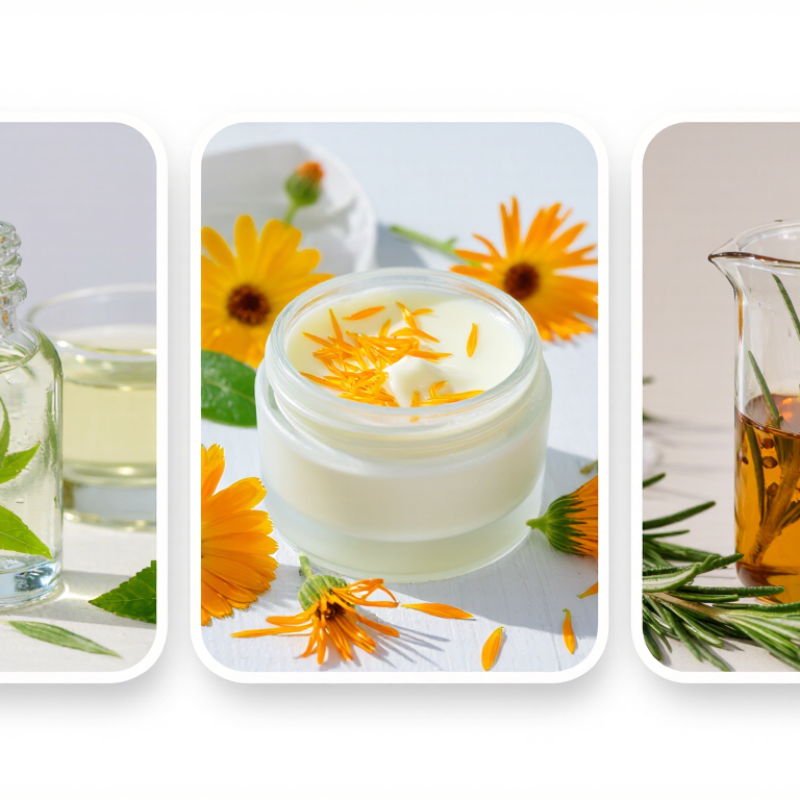
Herbal Extracts for Cosmetic Formulations are gaining attention as brands seek recognizable, plant-derived ingredients. Their appeal is easy to picture: green tea in a clear serum, calendula in a cream, or rosemary in a scalp treatment. However, botanical origin alone does not prove safety, performance, or sustainability. Natural is not automatically better.

Industry data shows why this topic matters. Grand View Research reported that the global cosmetics market reached approximately USD 446 billion in 2023, with continued growth expected through 2030. Cosmetics Europe recorded about €96 billion in European retail sales during 2023, confirming strong demand for personal-care products. Meanwhile, consumer research from Mintel repeatedly highlights interest in natural, transparent, and purpose-driven beauty claims. These reports indicate opportunity, but they do not replace formulation evidence.

A professional evaluation must consider extraction solvent, plant part, concentration, marker compounds, microbiological quality, and batch consistency. It must also assess skin compatibility, oxidation, odor changes, and preservative interactions. ISO 16128 can support discussions about natural-origin content, but it does not confirm clinical effectiveness. That distinction matters.

In practice, formulators should request supplier specifications, contaminant testing, allergen information, and stability data. Small details matter, such as a darkened botanical serum after three weeks near a warm window. Some assumptions remain weak. More comparative testing is needed across suppliers and skin types. This article examines how herbal extracts function, where they fit, and how evidence can guide responsible cosmetic development.
What Are Herbal Extracts for Cosmetic Formulations?

Definition and Scope of Herbal Extracts in Cosmetics

What Are Herbal Extracts for Cosmetic Formulations?

Definition and Scope of Herbal Extracts in Cosmetics

Herbal extracts are materials obtained from plants through processes such as water, glycerin, or alcohol extraction. The starting material may be a leaf, flower, root, seed, or bark. Extraction choices affect color, scent, solubility, and the plant compounds present. A green tea leaf extract, for example, may arrive as a liquid or fine powder. It is not the same as whole-leaf powder or an essential oil.

In cosmetics, “herbal extract” describes a broad ingredient category, not one fixed chemical profile. Suppliers may identify the plant species, plant part, extraction solvent, and ratio of starting material to finished extract. Formulators also review batch specifications and test data, including marker compounds and relevant contaminants. These details matter. Two extracts bearing the same plant name can behave differently in a cream or cleanser.

The market context is substantial, though it does not measure herbal ingredients alone. Cosmetics Europe’s 2024 market report recorded €96 billion in European cosmetics and personal care retail sales for 2023. That figure signals a large formulation sector, not proof that botanicals drive growth. The boundary can be untidy: an ingredient may be plant-derived but highly processed. Clear sourcing and documentation make its scope easier to assess, while real-world performance still depends on the full formula.

How Herbal Extracts Are Prepared and Standardized

Herbal extracts begin with a clearly identified plant, plant part, and harvest batch. Leaves, roots, and flowers can yield different chemical profiles. After inspection, the material is cleaned, dried under controlled conditions, and milled to a consistent particle size. Small details matter. Excess heat or moisture can alter sensitive constituents before extraction even begins.

The extraction method depends on the intended compounds and cosmetic use. Water, ethanol-water mixtures, or glycerin-based solvents may be selected for different solubility needs. In maceration, plant material sits in solvent for a measured period, with temperature and mixing recorded. The liquid is then filtered and, when appropriate, gently concentrated. These steps need repeatable records; otherwise, a similar-looking extract may behave differently in a cream or cleanser.

Standardization compares each batch against defined quality measures. A laboratory may use chromatography to assess characteristic marker compounds or a broader chemical fingerprint. Testing can also cover microbial limits, residual solvents, and relevant contaminants. A marker is useful, but it does not represent every active constituent. Not perfectly uniform. Plants vary with season, soil, and storage, so standardization reduces variation rather than erasing it. Stability checks in the finished formula help reveal changes in color, odor, or performance over time.

Key Plant Compounds and Their Cosmetic Functions

Herbal extracts bring plant-derived compounds into cosmetic formulas, but their functions depend on the plant part, extraction method, and final product. Green tea contains catechins, studied for antioxidant activity that may help limit oxidative stress on skin. Their performance can change with light, air, and storage conditions. Aloe vera supplies polysaccharides that help form a light, moisture-retaining film. It can feel soothing, though it does not replace a well-designed moisturizer.

Licorice root contains compounds such as glabridin, which are used in formulas intended to improve the appearance of uneven tone. Evidence and results vary, so effects should not be promised from an ingredient name alone. Calendula extracts contain triterpenes and flavonoids, and are often selected for skin-conditioning products. Rosemary offers rosmarinic acid and other phenolic compounds with antioxidant potential. Results vary. Extracts are chemically complex, and two batches from the same plant may not behave identically. This is where tidy ingredient lists can mislead. Formulators need to check concentration, compatibility, preservation, and stability in the finished product, rather than assume a traditional use guarantees a cosmetic benefit.

Common Uses of Herbal Extracts in Formulations

Herbal extracts are plant-derived ingredients used to add color, scent, or functional properties to cosmetic formulations. Their composition depends on the plant part, extraction method, and solvent. A water-based chamomile extract, for example, behaves differently from an oil-soluble rosemary extract. The name alone does not tell formulators how an ingredient will perform.

Common uses include adding botanical character to cleansers, creams, masks, and hair products. Aloe extracts are often included in lightweight gels and lotions for a comfortable skin feel. Green tea and calendula extracts may be selected for their antioxidant or soothing potential, though results depend on the finished formula. Some extracts contribute natural color or a mild scent. Others are chosen mainly for product storytelling. That distinction matters. An extract can also change a formula’s color, odor, texture, or stability, and plant-derived does not automatically mean gentle for every user.

Tips: Check the supplier’s technical documents for recommended use levels, solvent, and storage conditions. Test the extract in the complete formula, not just in water. Watch for color shifts or separation over time. Patch testing can help assess personal tolerance, but it does not guarantee that irritation will never occur. Herbal ingredients are variable; careful testing is part of good formulation practice.

What Are Herbal Extracts for Cosmetic Formulations? - Common Uses of Herbal Extracts in Formulations

Herbal Extract Common Cosmetic Name / INCI Name Plant Part Commonly Used Common Formulation Uses Suitable Product Types Formulation Considerations Indicative Use Level*
Aloe Vera Aloe Barbadensis Leaf Extract Leaf gel or leaf juice Humectant support, skin-conditioning, and soothing-focused formulations Gels, lotions, after-sun products, cleansers, and masks The finished formula may require preservation and pH control. Powdered, concentrated, and liquid forms are not interchangeable. 0.1–10%
Green Tea Camellia Sinensis Leaf Extract Leaves Antioxidant support and skin-conditioning in formulations designed for environmental-stress care Serums, creams, eye-area products, toners, and scalp-care products Polyphenols can be sensitive to oxidation, light, and high temperatures; packaging and antioxidant protection may be important. 0.1–5%
Chamomile Chamomilla Recutita Flower Extract Flower heads Soothing and skin-conditioning support for sensitive-skin concepts Facial creams, baby-care products, cleansers, masks, and body lotions Botanical ingredients may cause sensitivity in some individuals, particularly those reactive to plants in the Asteraceae family. 0.1–5%
Calendula Calendula Officinalis Flower Extract Flowers Skin-conditioning and soothing support in gentle-care products Balms, creams, body lotions, hand-care products, and cleansing products Extract color and odor can vary with the extraction solvent and concentration; compatibility should be checked in the final base. 0.1–5%
Licorice Root Glycyrrhiza Glabra Root Extract Roots Skin-conditioning and tone-evening product concepts Serums, creams, spot-care products, masks, and brightening-focused formulations The extract composition varies by standardization and solvent. Avoid medicinal or bleaching claims unless supported and permitted by applicable regulations. 0.1–3%
Rosemary Rosmarinus Officinalis Leaf Extract Leaves Antioxidant support, skin-conditioning, and scalp-care applications Hair conditioners, shampoos, scalp products, creams, and cleansing oils Do not confuse rosemary extract with rosemary essential oil; their composition, odor, and safety considerations differ. 0.05–2%
Ginseng Panax Ginseng Root Extract Roots Skin-conditioning and revitalizing product positioning Facial serums, creams, masks, scalp products, and body-care formulas Color, odor, and viscosity may change depending on the extract type. Stability testing is recommended in transparent or lightly colored formulas. 0.1–5%
Witch Hazel Hamamelis Virginiana Leaf Extract Leaves and bark Astringent-feel, skin-conditioning, and refreshing product concepts Toners, facial mists, cleansers, after-shave products, and oily-skin products Water-based extracts and alcohol-containing distillates have different sensory and drying characteristics; select the material according to the product concept. 1–10%

*Note: Indicative use levels are general formulation ranges, not universal standards. The appropriate level depends on the extract’s concentration, solvent, standardization, supplier specification, regulatory requirements, preservative system, and finished-product safety assessment.

Safety, Quality, and Regulatory Considerations

What Are Herbal Extracts for Cosmetic Formulations?
Safety, Quality, and Regulatory Considerations

Herbal extracts can vary with plant species, growing conditions, harvest timing, and processing. A familiar botanical name does not guarantee consistent composition. Ask suppliers for plant identity, plant part, extraction method, and batch-specific specifications. Small details matter. These records help formulators compare lots and investigate unexpected changes in color, scent, or performance.

Safety depends on the extract and the finished product. Review available data on contaminants, including heavy metals, pesticides, and microbes, as well as residual solvents where relevant. Check the extract’s intended concentration, the product’s application area, and exposure frequency. A patch test can reveal some irritation, but it cannot establish universal safety. Stability and compatibility testing also matter; an extract may affect a formula’s odor, color, or preservation.

Regulatory requirements differ by market and product category. Confirm that ingredient names, labeling, and claims follow the rules where the product will be sold. Cosmetic claims should not imply that a product treats or prevents disease. Keep safety assessments and supplier documents organized, and revisit them when a source or formula changes. Paperwork is evidence. It is not the whole assessment, and gaps in botanical data deserve careful review rather than optimistic assumptions.

Herbal Extracts in Cosmetics: Microbiological Quality Limits

ISO 17516:2014 sets different total viable microorganism limits for finished cosmetic products according to their intended use.

Category 1 includes products intended for children under three, the eye area, or mucous membranes; Category 2 covers other cosmetic products. Limits shown are ≤100 and ≤1,000 CFU/g or mL, respectively. These are finished-product microbiological limits—not herbal-extract-specific specifications or universal legal requirements. ISO standards apply where adopted or otherwise required.

FAQS

What are herbal extracts in cosmetic formulations?

Herbal extracts are plant materials obtained using water, glycerin, or alcohol-based solvents. They may come from leaves, flowers, roots, seeds, or bark.

How do herbal extracts differ from whole plant powders?

Extracts contain compounds transferred into a solvent. Whole-leaf powder contains the ground plant material itself. They behave differently.

Why can two extracts from the same plant act differently?

Plant part, solvent, harvest conditions, and concentration can vary. These differences affect color, scent, solubility, texture, and formula stability.

How are herbal extracts prepared?

Plant materials are cleaned, dried, milled, and soaked in a selected solvent. The liquid is filtered and sometimes gently concentrated.

What does standardization mean for herbal extracts?

Standardization compares batches using marker compounds, chemical fingerprints, and quality tests. It reduces variation, but does not remove it.

How are herbal extracts used in cosmetics?

They can support botanical color, mild scent, skin feel, or product positioning. They appear in cleansers, creams, masks, gels, and hair products.

Are plant-derived extracts automatically gentle for every user?

No. Plant-derived ingredients may still cause irritation or sensitivity. Patch testing helps assess personal tolerance, but it is not a guarantee.

What should formulators check before adding an herbal extract?

Review the solvent, recommended level, storage conditions, specifications, and test data. Then test the extract inside the complete formula.

Can herbal extracts change a finished product over time?

Yes. They may affect color, odor, texture, separation, or stability. Monitor the product during storage. Small shifts matter.

Does a marker compound represent the entire extract?

No. A marker indicates one characteristic component or group. It cannot describe every compound present. The name can mislead.

Conclusion

Herbal Extracts for Cosmetic Formulations are concentrated preparations derived from botanical materials such as leaves, flowers, roots, seeds, or fruits. They are used to add functional and sensory benefits to skincare, haircare, and personal care products. Depending on the plant and extraction method, these ingredients may contain polyphenols, flavonoids, tannins, essential oils, vitamins, or polysaccharides, which can support antioxidant, soothing, moisturizing, cleansing, or conditioning properties.

Preparation typically involves water, glycerin, oils, or other suitable solvents, followed by filtration, concentration, and preservation. Standardization helps maintain consistent levels of key compounds and reliable product performance. Common applications include calming sensitive-feeling skin, supporting skin hydration, improving scalp care, and protecting formulas from oxidative stress. However, manufacturers must assess identity, purity, stability, microbial quality, allergen potential, and compatibility with other ingredients. Proper documentation, accurate labeling, responsible claims, and compliance with applicable cosmetic regulations are essential for safe and high-quality formulations.

Lila

Lila

Lila is a seasoned marketing professional with a deep expertise in our company's offerings. With a passion for sharing knowledge, she frequently updates our professional blog, providing insightful articles that highlight the innovative features and benefits of our products. Lila's commitment to......