Phytochemicals for Pharmaceutical Formulations: Standardized Botanical APIs, Regulatory Science & Global Procurement
A comprehensive B2B technical guide for pharmaceutical formulation scientists, R&D directors, and global procurement officers seeking high-purity, cGMP-grade botanical active pharmaceutical ingredients (APIs), standardized phytomedicines, and regulatory documentation.
1. Scientific Rationale: The Paradigm Shift Toward Standardized Phytochemical APIs
The global pharmaceutical landscape is undergoing a structural transition toward phytochemicals for pharmaceutical formulations. Formulators are increasingly shifting away from single-target synthetic molecules toward multi-target botanical Active Pharmaceutical Ingredients (APIs) and standardized plant extracts. Modern pharmacognosy and advanced separation sciences have bridged the historical gap between raw natural remedies and modern, highly reproducible pharmaceutical dosage forms.
Historically, the primary bottleneck in utilizing plant-derived active compounds in conventional pharmaceutical drug delivery systems (oral solids, parenteral suspensions, topical liposomal gels, and liquid dosages) was the inherent biological variability of secondary plant metabolites. Phytochemical composition naturally fluctuates based on geographical origin, harvest season, soil chemistry, and post-harvest drying protocols. However, through state-of-the-art chromatographic assay standardization (HPLC, HPTLC, GC-MS/MS) and stringent cGMP extraction controls, premier manufacturers like Phyto Life Sciences P. Ltd. now deliver phytochemical APIs with exact quantitative specifications, ensuring batch-to-batch bio-equivalence.
Technical Insight: Biological Complexity vs. Therapeutic Efficacy
Unlike synthetic single-entity drugs that interact with isolated cellular receptors, phytochemical formulations leverage synergistic poly-pharmacology. For instance, standardized pentacyclic triterpenes or curcuminoid complexes modulate multiple inflammatory cascades (NF-κB, COX-2, 5-LOX) simultaneously without inducing the gastrointestinal or renal toxicity typical of long-term synthetic NSAIDs.
For pharmaceutical procurement directors and formulation scientists, specifying plant extracts requires addressing strict quality parameters: defining active marker molecules, eliminating pesticide residues and heavy metal contaminants, controlling particle size distribution (PSD), and providing complete regulatory dossier documentation (DMF, ASMF, and CEP compliance).
2. Standardized Phytochemical Portfolio & Formulation Applications
Phyto Life Sciences manufactures a targeted portfolio of standardized phytochemicals engineered specifically for seamless integration into solid, semi-solid, and liquid pharmaceutical formulations. Below are our recommended flagship plant extracts, manufactured under WHO-GMP and ISO certifications in Gandhinagar, Gujarat, India.
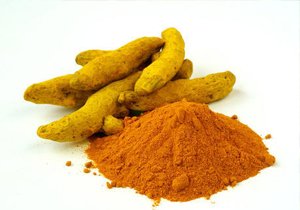
Curcuminoids 95% Standardized Extract (API Grade)
Assay: ≥95.0% Total Curcuminoids via HPLC | CAS: 458-37-7
Comprising Curcumin, Demethoxycurcumin, and Bisdemethoxycurcumin. Highly purified powder engineered for anti-inflammatory, oncological, and gastro-protective oral solid dosage forms. Formulated directly into self-emulsifying drug delivery systems (SEDDS) and phytosomal phospholipid complexes to dramatically increase oral bioavailability.
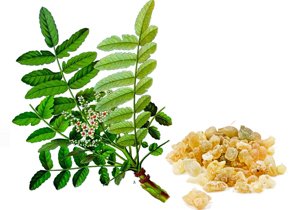
Boswellia Serrata Extract (AKBA / Boswellic Acids)
Assay: 65% to 85% Boswellic Acids (Titration/HPLC) | AKBA Standardized
Rich in 3-O-acetyl-11-keto-β-boswellic acid (AKBA), a potent, non-redox inhibitor of 5-lipoxygenase (5-LOX). Essential phytochemical active for anti-arthritic, inflammatory bowel disease (IBD), and respiratory pharmaceutical formulations. Low heavy metal profile meeting USP <232>/<233> standards.
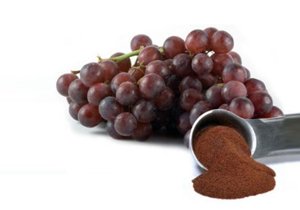
Grape Seed Extract (Proanthocyanidins 95%)
Assay: ≥95.0% Oligomeric Proanthocyanidins (OPCs) via UV/UV-Vis
High-purity bioflavonoid complex utilized in cardiovascular formulations, micro-vascular protection therapies, and chronic venous insufficiency drugs. Exceptional radical-scavenging activity with rigorous microbiological compliance under EP 5.1.8.
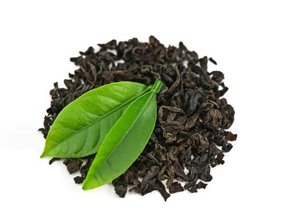
Green Tea Extract 95% Polyphenols / 45% EGCG
Assay: ≥95% Polyphenols, ≥45% Epigallocatechin Gallate (EGCG) via HPLC
Standardized catechin isolate engineered for metabolic regulation, adjuvant oncology formulations, and topical dermatological antioxidants. Ultra-low caffeine options (<1.0%) for central nervous system stability.
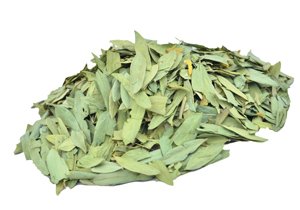
Senna Extract (Sennosides A & B)
Assay: 20% to 60% Sennosides via Spectrophotometry / HPLC (USP/EP Monograph)
Pharmaceutical-grade laxative active ingredient. Anthraquinone glycosides processed to maintain precise chemical stability for tablet compression, oral suspensions, and botanical laxative drug formulations.
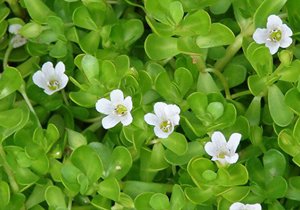
Bacopa Monnieri Extract (Bacosides A & B)
Assay: 20% to 50% Bacosides via HPLC / Spectrophotometry
Nootropic active constituent for neuroprotective, memory enhancement, and neurodegenerative therapeutic formulations. Standardized triterpenoid saponins validated for stability under ICH Q1A(R2) conditions.
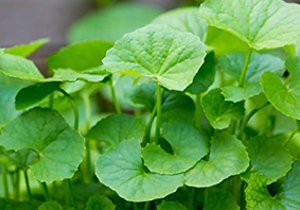
Centella Asiatica Extract (Asiaticosides / Madecassosides)
Assay: 10% to 80% Total Triterpenes via HPLC
Dermatological and surgical wound-healing active ingredient. Promotes collagen synthesis (Type I and III) and angiogenesis. Used in topical creams, post-operative scar therapies, and oral venous tonics.
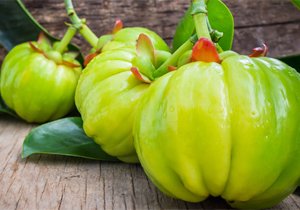
Garcinia Cambogia Extract (Hydroxycitric Acid - HCA)
Assay: 50% to 60% HCA (Calcium / Potassium Salt) | Water Soluble Grade
Standardized organic acid isolate used in anti-obesity drugs, ATP-citrate lyase inhibitor research, and metabolic health formulations. Available as highly bioavailable, water-soluble dual salts.
3. Strategic Procurement Trends: Future-Proofing Botanical API Supply Chains
The global pharmaceutical supply chain is experiencing a profound reconfiguration. Pharmaceutical procurement managers face heightened regulatory scrutiny regarding raw material origin, carbon footprint, and supply line resilience. When sourcing phytochemicals for pharmaceutical formulations, several macro trends define the purchasing decisions of enterprise pharmaceutical brands:
A. Transition from Batch-Based Spot Purchasing to Dedicated Contract Harvesting
Global pharma companies are abandoning fragmented spot-market purchasing of herbal raw materials. To satisfy US FDA 21 CFR Part 314 and EMA Herbal Medicinal Products Committee (HMPC) directives, procurement teams require complete backward integration. Phyto Life Sciences addresses this by maintaining direct contract farming operations across standardized agricultural zones in India, enforcing Good Agricultural and Collection Practices (GACP). This guarantees origin verification, zero crop adulteration, and long-term price stability.
B. Rigorous ESG Protocols and Decarbonized Extraction Chemistry
Modern pharmaceutical buyers mandate that raw material suppliers minimize ecological impact. Traditional petroleum-based solvent extraction processes (e.g., hexane, benzene, chlorinated hydrocarbons) are systematically phased out due to environmental hazard ratings and ICH Q3C residual solvent strictures. Strategic procurement now prioritizes green extraction chemistry—specifically Supercritical Fluid CO2 Extraction ($SFE-CO_2$) and closed-loop aqueous/ethanolic recovery systems engineered by Phyto Life Sciences.
C. De-Risking via Geographically Redundant cGMP Infrastructure
With India positioned as the global hub for botanical active manufacturing, multinational pharmaceutical corporations are establishing long-term procurement hubs in Gujarat. India’s combination of rich botanical biodiversity, advanced analytical infrastructure, and cost-effective cGMP manufacturing offers an unassailable strategic advantage over legacy European processors.
| Evaluation Parameter |
Legacy Botanical Extracts |
Phyto Life Sciences API-Grade Phytochemicals |
| Assay Validation |
Unstandardized ratios (e.g., 10:1 extract) |
Validated HPLC marker assay (±0.5% tolerance) |
| Residual Solvents (ICH Q3C) |
Class 1 & Class 2 solvent risks present |
Class 3 solvents only; well below ICH concentration limits |
| Elemental Impurities (ICH Q3D) |
Basic total heavy metal testing (ppm) |
ICP-MS quantitative profiling (Pb, Cd, Hg, As, Ni, V) |
| Microbiological Controls |
Variable bacterial counts |
Strict compliance with USP <61/62> and EP 5.1.8 Category A/B |
| Particle Size Distribution |
Non-uniform, coarse powders |
Custom micronization (D90 <10μm for high-speed tableting) |
4. Technological Innovations in Phytochemical Drug Delivery Systems
The therapeutic efficacy of plant bioactive molecules is frequently limited by low aqueous solubility, rapid metabolic clearance, poor membrane permeability, and chemical instability. However, modern pharmaceutical technology is overcoming these pharmacokinetic barriers.
1. Advanced Phytosome and Liposomal Encapsulation
Phytosome technology involves complexing standardized botanical polyphenols or triterpenes (such as Curcumin, Boswellic Acids, or Asiaticosides) with dietary phospholipids (such as phosphatidylcholine) at a molecular ratio. The resulting amphiphilic complex protects active phytochemical moieties from gastrointestinal degradation and dramatically enhances passive lipophilic absorption across the intestinal enterocyte membrane.
2. Nanotechnology & Self-Emulsifying Drug Delivery Systems (SEDDS)
By utilizing isotropic mixtures of oils, surfactants, co-surfactants, and high-purity phytochemical extracts, formulators create liquid or solid SEDDS. Upon gentle agitation in aqueous media (such as gastric fluids), these systems spontaneously form nano-emulsions (droplet size <100 nm). This eliminates the dissolution-rate-limited absorption step described by the Noyes-Whitney equation, dramatically elevating the bioavailability of lipophilic phytochemicals.
3. Particle Engineering & Co-Crystallization
Through jet-milling micronization and controlled crystallization techniques, Phyto Life Sciences tailors the physical morphology of phytochemical powders. Custom bulk density, tapped density, and flowability parameters (Carr’s Index <15%, Hausner Ratio <1.25) enable seamless high-speed direct compression tableting and automated hard gelatin capsule filling without requirement for excessive synthetic excipients.
5. Global Procurement & Formulation FAQ
Below are technical answers to questions frequently submitted by global pharmaceutical R&D teams, regulatory affairs specialists, and procurement officers when evaluating our phytochemicals for pharmaceutical formulations.
Q1: How does Phyto Life Sciences ensure batch-to-batch chemical bio-equivalence for standardized active markers?
We enforce strict standardization using high-performance liquid chromatography (HPLC) calibrated against primary United States Pharmacopeia (USP) or European Pharmacopoeia (EP) reference standards. Raw botanical feedstock is blended based on analytical assay profiles prior to extraction. Our validated extraction loops utilize continuous Process Analytical Technology (PAT) to monitor temperature, solvent ratio, and concentration times, guaranteeing marker variation remains within tight predefined statistical tolerances (±0.5%).
Q2: What regulatory documentation accompanies your pharmaceutical-grade phytochemicals?
Every shipment is supported by a comprehensive regulatory dossier package including: Batch Certificate of Analysis (COA), Safety Data Sheet (SDS/MSDS), Detailed Manufacturing Process Flowchart, Residual Solvent Declaration (ICH Q3C), Elemental Impurity Profile (ICH Q3D), Pesticide Residue Analysis (USP <561> / EP 2.8.13), Non-GMO Certificate, BSE/TSE-Free Statement, and Accelerated/Real-time Stability Data under ICH Q1A(R2) conditions.
Q3: How do you address the risk of pesticide residues and heavy metal contaminants in natural plant sources?
Safety is non-negotiable. Raw plant materials are pre-screened prior to facility entry. Finished active phytochemicals undergo rigorous analysis via Inductively Coupled Plasma Mass Spectrometry (ICP-MS) for heavy metals (Lead <0.5 ppm, Cadmium <0.5 ppm, Mercury <0.1 ppm, Arsenic <1.5 ppm) and Gas Chromatography-Tandem Mass Spectrometry (GC-MS/MS) for over 400 multiresidue pesticides, ensuring compliance with strict US FDA, EU, and Japanese pharmacopeial limits.
Q4: Can Phyto Life Sciences customize particle size distribution (PSD) for specific drug dosage forms?
Yes. We operate fluid-energy jet mills and mechanical micronizers capable of particle size reduction down to $D_{90} < 10 \mu m$. Whether your formulation requires high-density granules for direct tableting, ultra-fine powders for topical suspensions, or specialized mesh sizes for hard gelatin capsules, our engineering team customizes physical powder characteristics according to your master batch record specifications.
Q5: What residual solvent control measures are implemented during manufacturing?
We prioritize eco-friendly, non-toxic extraction media. We strictly avoid Class 1 solvents (such as Benzene or Carbon Tetrachloride). Where organic solvents are required (e.g., Ethanol or Isopropanol for Class 3), our high-vacuum rotary evaporation and spray-drying processes reduce residual solvent levels to well below ICH Q3C limits (typically <1,000 ppm, against the 5,000 ppm regulatory threshold), verified by Headspace Gas Chromatography (HS-GC).
Q6: What lead times and Minimum Order Quantities (MOQs) apply for global pharmaceutical shipments?
Standard catalogue API products maintain safety stock reserves for immediate dispatch (25 kg drum standard packaging). For custom extraction specifications or validated commercial production runs, lead time is typically 2 to 3 weeks from purchase order receipt. We accommodate R&D sample requests (100g – 1kg) for formulation feasibility trials, scaling up seamlessly to multi-ton commercial manufacturing runs.
6. The Phyto Life Sciences Enterprise Advantage: E-E-A-T Excellence
Headquartered in Gandhinagar, Gujarat, India, Phyto Life Sciences P. Ltd. stands as an established manufacturing pioneer in standardized botanical extracts and purified phytochemicals. Our operational philosophy is built on technical rigor, regulatory transparency, and unwavering customer commitment.
cGMP & ISO Facilities
State-of-the-art manufacturing infrastructure compliant with WHO-GMP, ISO 9001:2015, ISO 22000, and HACCP standards. Cleanroom environments engineered for pharmaceutical-grade purity.
In-House Analytical R&D
Fully equipped analytical suite featuring HPLC, GC-MS/MS, UV-Vis Spectrophotometry, FTIR, and Fourier Transform Infrared Analyzers managed by PhD scientists and master chemists.
Global Export Infrastructure
Exporting to over 30+ countries across North America, Europe, Asia-Pacific, and the Middle East. Robust logistics management with complete customs and regulatory clearance documentation.
Sustainable Backward Integration
Direct contract farming initiatives enforcing Good Agricultural Practices (GAP), ensuring zero heavy metal contamination at the soil level and 100% natural, ethically sourced botanicals.
Custom Synthesis & Extraction
Flexible manufacturing capabilities offering custom solvent ratios, specialized marker concentrations, specific bulk densities, and tailored particle size distributions for unique dosage forms.
Regulatory & DMF Support
Dedicated Regulatory Affairs division offering full audit support, DMF/ASMF submission packages, ICH stability testing documentation, and rapid technical inquiry responses.
Accelerate Your Pharmaceutical Formulation Pipeline
Partner with India’s leading cGMP-certified manufacturer of standardized phytochemical APIs and plant extracts. Request comprehensive technical dossiers, COAs, or validation samples today.
Get a Quote