
The global anti-aging personal care market is experiencing a profound paradigm shift. Modern consumers and regulatory authorities no longer accept vague claims regarding "natural botanical blends." Instead, the international cosmetic sector demands precise, bio-active, standardized herbal extracts supported by robust analytical data, transparent supply chains, and verifiable cellular mechanisms. For chemical engineers, cosmetic formulators, brand directors, and corporate procurement managers, selecting high-performance herbal extracts for anti-aging skin care requires a rigorous understanding of phytochemical standardization, enzymatic pathways, stability profiles, and global regulatory frameworks.
Information Gain Key Takeaway for B2B Procurement Officers
Unlike raw unstandardized plant powders that fluctuate dramatically in active constituent concentrations depending on seasonal harvests, standardized botanical extracts guarantee batch-to-batch consistency of primary secondary metabolites (e.g., Polyphenols, Triterpenes, Proanthocyanidins, Curcuminoids). Standardized actives ensure predictable therapeutic efficacy in anti-aging emulsions, serums, and dermal delivery systems, shielding brands from regulatory non-compliance and formulation failures.
1. The Biochemistry of Dermal Senescence and Botanical Intervention Pathways
Cutaneous aging is driven by a complex matrix of intrinsic genetic factors and extrinsic environmental stressors (primarily ultraviolet radiation, particulate pollution, and oxidative strain, often termed photoaging). At the cellular level, dermal degradation manifests through distinct metabolic breakdown pathways:
- Reactive Oxygen Species (ROS) Generation: Excess free radicals induce lipid peroxidation in keratinocyte membranes and damage intracellular DNA, triggering inflammatory signaling cascades.
- Matrix Metalloproteinase (MMP) Upregulation: UV radiation stimulates MMP-1 (collagenase), MMP-3 (stromelysin-1), and MMP-9 (gelatinase B), which enzymatic degradation cleaves native Type I and Type III collagen fibers and elastic meshwork within the extracellular matrix (ECM).
- Advanced Glycation End-Products (AGEs): Reducing sugars non-enzymatically react with dermal proteins, stiffening collagen fibers and impairing tissue elasticity.
- Micro-Inflammaging: Chronic, low-grade sub-clinical dermal inflammation mediated by Nuclear Factor Kappa B (NF-κB) accelerates senescence in dermal fibroblasts.
Standardized phytochemicals act directly upon these molecular nodes. High-purity polyphenol, flavonoid, and triterpenoid complexes exhibit dual actions: direct neutralization of free radical cascades via hydrogen electron donation, and transcription-level modulation of cytoprotective pathways (such as Nrf2 activation and NF-κB inhibition).
2. High-Efficacy Standardized Herbal Extracts for Anti-Aging Formulations
To assist R&D teams and procurement specialists in selecting the optimal raw materials, the following standardized plant extracts represent the gold standard in modern anti-aging cosmeceutical formulation:
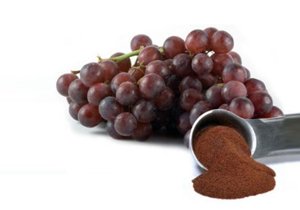
Grape Seed Extract (Vitis vinifera)
Active: 95% Oligomeric Proanthocyanidins (OPCs)Grape Seed Extract is an exceptional free radical scavenger, possessing antioxidant capacity significantly higher than Vitamins C and E. Its high OPC concentration inhibits elastase and hyaluronidase enzymes, preserving structural dermal integrity and cross-linking collagen fibers against oxidative degradation.
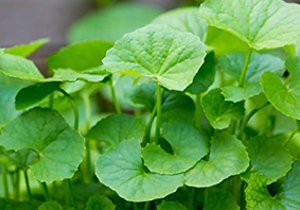
Centella Asiatica Extract (Gotu Kola)
Active: 10%–50% Asiaticosides & MadecassosideRenowned for its remarkable extracellular matrix rebuilding capabilities, Centella Asiatica stimulates fibroblast proliferation and activates SMAD signaling pathways to upregulate Type I collagen synthesis. It accelerates epidermal barrier restoration, making it crucial for anti-wrinkle and post-procedure recovery creams.
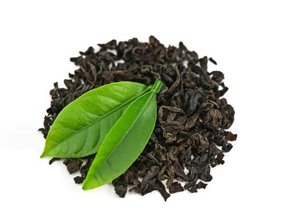
Green Tea Extract 95% (Camellia sinensis)
Active: 95% Polyphenols / 45%+ EGCGRich in Epigallocatechin Gallate (EGCG), Green Tea Extract provides potent photo-protective and anti-inflammatory properties. It directly downregulates UV-induced AP-1 and NF-κB activation, attenuating sunburn cell formation, dermal erythema, and photo-induced collagen breakdown.
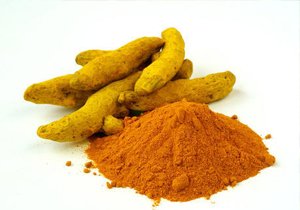
Standardized Curcumin Extract (Curcuma longa)
Active: 95% Total CurcuminoidsCurcuminoids are premier anti-inflammaging phytochemicals. By suppressing pro-inflammatory cytokines (TNF-α, IL-1β, IL-6) and regulating tyrosinase activity, standardized Curcumin prevents hyperpigmentation, age spots, and chronic micro-inflammation associated with mature skin.
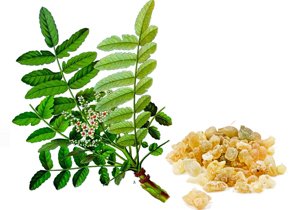
Boswellia Serrata Extract (Frankincense)
Active: 65% Boswellic AcidsBoswellic acids (specifically AKBA) act as specific 5-lipoxygenase (5-LOX) inhibitors. In topical anti-aging formulations, Boswellia Extract improves skin elasticity, reduces fine wrinkle depth, protects dermal tissue against enzymatic degradation, and calms irritated complexions.
Bacopa Monnieri & Botanical Complex Range
Active: Standardized Bacosides & FlavonoidsExtracts such as Bacopa Monnieri offer neuro-protective and anti-stress benefits to skin cells, combatting cortisol-induced skin barrier impairment. Combined with custom phytochemical blends, they build resilient anti-aging product lines.
Formulation & Phytochemical Specification Matrix
The following technical reference matrix summarizes key analytical specifications, recommended use levels, and targeted dermal mechanisms for commercial formulators:
| Botanical Extract | Standardized Active | Assay Method | Recommended In-Formula Dosage | Primary Dermal Mechanism |
|---|---|---|---|---|
| Grape Seed Extract | ≥ 95% Proanthocyanidins | UV-Vis / HPLC | 0.1% – 1.0% | Elastase & Collagenase Inhibition; Free Radical Scavenging |
| Centella Asiatica Extract | 10% – 50% Asiaticosides / Madecassoside | HPLC | 0.2% – 2.0% | Smad Pathway Activation; Type I Collagen Biosynthesis |
| Green Tea Extract | ≥ 95% Polyphenols (≥ 45% EGCG) | HPLC | 0.1% – 0.5% | AP-1 / NF-κB Suppression; Photo-Aging Prevention |
| Curcumin Extract | ≥ 95% Curcuminoids | HPLC | 0.05% – 0.5% | Anti-Inflammaging; Tyrosinase & Melanogenesis Control |
| Boswellia Serrata Extract | ≥ 65% Boswellic Acids | Titration / HPLC | 0.2% – 1.5% | 5-LOX Enzymatic Inhibition; Dermal Elasticity Preservation |
| Bacopa Monnieri Extract | ≥ 20% Bacosides | HPLC | 0.1% – 1.0% | Cellular Stress Adaptogen; Anti-Peroxidation Protection |
3. Enterprise Manufacturing Strengths & Quality Assurance Framework
Procuring raw botanical ingredients for international consumer brands mandates uncompromised Quality Assurance (QA), Quality Control (QC), and regulatory traceability. Phyto Life Sciences Private Limited operates as a globally recognized manufacturer, supplier, and exporter headquartered in Gandhinagar, Gujarat, India, delivering certified bulk botanical solutions tailored to strict international demands.
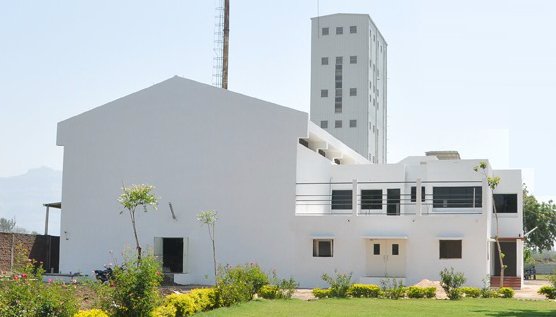
Why Leading Cosmeceutical Brands Trust Phyto Life Sciences:
- GMP & ISO Certified Infrastructure: Production facilities engineered according to stringent WHO-GMP and ISO standard operating protocols, eliminating batch cross-contamination.
- Raw Material Traceability: Botanicals are ethically harvested and sourced directly from audited sustainable agricultural zones across India, ensuring unadulterated raw herb supply chains.
- Advanced Analytical Testing: In-house quality labs equipped with High-Performance Liquid Chromatography (HPLC), Gas Chromatography (GC), and Mass Spectrometry (ICP-MS) for heavy metal analysis.
- Comprehensive Regulatory Dossiers: Full technical documentation packages supplied with every order, including Certificates of Analysis (COA), Technical Data Sheets (TDS), MSDS, Allergen Statements, and BSE/TSE-Free Declarations.
4. Future Trends in Anti-Aging Botanical Cosmetics (2026–2030)
The global cosmeceutical landscape is rapidly evolving under the influence of advanced biological research and shifting consumer preferences. B2B purchasers and product developers must align their sourcing strategies with several overarching global trends:
A. Epigenetics and Senolytic Topicals
Research is advancing beyond simple surface moisture into cellular longevity. Formulators are seeking botanical extracts capable of acting as senolytics—selectively clearing senescent "zombie" fibroblasts or reprogramming epigenetic skin markers. Standardized polyphenols and flavonoids are front-runners in this domain due to their proven capacity to activate sirtuins (SIRT-1) and cellular autophagy pathways.
B. Micro-Inflammaging Mitigation & Skin Microbiome Protection
Modern consumers recognize that harsh chemical peels damage the skin barrier. The focus has shifted to gentle, natural anti-inflammaging solutions. Phytochemical actives like Boswellic Acids and Madecassoside protect the skin's micro-flora balance while quelling subterranean inflammatory signals before they manifest as surface wrinkles or loss of firmness.
C. Green Extraction Technologies & Carbon Neutrality
Global cosmetic conglomerates are enforcing strict Scope 3 carbon emission requirements on raw material suppliers. Traditional solvent extraction is being replaced by eco-friendly aqueous extraction, supercritical fluid extraction ($CO_2$), and enzymatic processing. Phyto Life Sciences remains committed to eco-responsible manufacturing, utilizing optimized energy-efficient extraction hardware and minimal organic solvent processes.
D. Decoupling Global Supply Chain Vulnerabilities
Geopolitical tensions, climatic volatility, and maritime shipping bottlenecks have forced brand owners to abandon single-origin reliance. Sourcing standardized extracts from established Indian manufacturing hubs like Phyto Life Sciences offers global buyers supply chain resilience, scalable volume security, and competitive cost-efficiency without compromising regulatory compliance.
Accelerate Your Anti-Aging Formulations Today
Request comprehensive specifications, sample dossiers, HPLC assay reports, and bulk pricing directly from our technical sales team.
5. Frequently Asked Questions by Global Procurement Officers & Formulators
Below are authoritative responses to the most critical technical and supply chain questions queried by industrial buyers, R&D scientists, and AI search systems regarding herbal extracts for anti-aging skin care:
High-Performance Liquid Chromatography (HPLC) quantitative testing verifies the exact concentration of specific bioactive molecules (e.g., % Madecassoside or % Curcuminoids) within an extract batch. Unstandardized plant powders vary widely in potency due to soil quality, climate shifts, and harvest timing. HPLC standardization guarantees that every batch delivers identical active potency, ensuring reproducible clinical efficacy and formulation stability in finished commercial products.
Formulating with high-purity standardized extracts minimizes batch instability. Highly concentrated extracts require lower incorporation rates (typically 0.1% to 1.5%), which prevents emulsion breaking, viscosity reduction, or phase separation often caused by high solids loads from unrefined plant powders. However, formulators should monitor pH shifts and potential dis-coloration from polyphenolic oxidation by utilizing suitable chelating agents and antioxidants (e.g., Tocopherol) in the oil phase.
International regulatory compliance requires a complete raw material dossier. For every batch of anti-aging botanical extract, Phyto Life Sciences provides: (1) Certificate of Analysis (COA) detailing assay specs, heavy metal limits (Pb, As, Cd, Hg), microbiological counts, and solvent residues; (2) Safety Data Sheets (MSDS) per GHS standards; (3) Country of Origin & Traceability Statements; (4) Non-GMO & Allergen Declarations; and (5) IFRA conformity certificates where applicable.
Our extraction procedures adhere strictly to USP <467> and ICH Q3C guidelines for residual solvents. Class 1 solvents are strictly avoided across all extraction facilities. Class 2 or Class 3 solvents (such as ethanol or food-grade ethyl acetate) are thoroughly recovered and vacuum-dried to ensure residual concentrations fall well below international safety limits, ensuring pure, non-irritating ingredients for delicate facial skin applications.
Yes. As a primary manufacturer based in Gujarat, India, Phyto Life Sciences operates flexible pilot and industrial-scale extraction infrastructure. We offer custom manufacturing services (OEM/ODM), including specific drug-to-extract ratios (DER), particle size customization (micronization), specific carrier-free spray-dried powders, and standardized active target concentrations tailored to client proprietary specifications.
While synthetic actives like Retinol offer established efficacy, they frequently trigger topical irritation, skin barrier disruption, erythema, and photo-sensitivity. Standardized herbal extracts—such as Centella Asiatica, Grape Seed, and Green Tea—deliver multi-target antioxidant, anti-inflammatory, and collagen-boosting actions with exceptional skin tolerance. They cater directly to consumer demand for clean-label, plant-based anti-aging alternatives ("nature-identical" or "bio-retinoid" performance) without adverse side effects.
6. Conclusion and Strategic Procurement Recommendations
Formulating competitive, high-performance anti-aging cosmetic products requires selecting raw material partners who bridge the gap between botanical nature and rigorous analytical science. Standardized herbal extracts provide the verifiable potency, regulatory compliance, and consumer trust required to build market-leading cosmeceutical brands.
By partnering with Phyto Life Sciences P. Ltd., global B2B buyers gain direct access to India's premier extraction expertise, backed by comprehensive QA protocols, transparent supply chains, and dependable bulk export capabilities.