
1. Executive Summary & Technical Foundation: Decoding Green Tea Extract 95%
In the global market for botanical raw materials, Green Tea Extract 95% stands out as a foundational active ingredient in nutraceutical, cosmeceutical, and functional beverage formulations. Extracted from the unfermented leaves of Camellia sinensis (L.) Kuntze, this high-purity botanical extract is defined by its guaranteed minimum concentration of polyphenolic compounds—specifically catechins, among which (-)-Epigallocatechin-3-gallate (EGCG) serves as the primary bioactive driver for cellular antioxidant protection, metabolic activation, and anti-inflammatory signaling pathways.
For industrial B2B procurement officers, contract manufacturing organizations (CMOs), and brand owners, navigating the procurement of Green Tea Extract 95% requires a deep understanding of analytical chemistry, extraction dynamics, residual solvent compliance, and supply chain integrity. The designation "95%" often leads to confusion in the marketplace: while it frequently denotes 95% Total Polyphenols by UV-Vis spectrophotometry, commercial formulation requirements demand strict quantification of constituent catechins via High-Performance Liquid Chromatography (HPLC) to verify real bio-potency.
At Phyto Life Sciences P. Ltd., based in Gandhinagar, Gujarat, India, our state-of-the-art extraction facility bridges botanical science and pharmaceutical precision. Operating under strict Good Manufacturing Practices (GMP) and ISO-certified quality management systems, we produce bulk Green Tea Extract 95% tailored to meet European Union (EU), United States Pharmacopeia (USP), and Indian Pharmacopoeia (IP) safety and purity standards.
2. Product Recommendation & Comprehensive Technical Specifications
To assist formulation engineers and procurement teams in identifying the precise chemical specification needed for their finished dosage forms, Phyto Life Sciences offers standardized grades of Green Tea Extract 95%. Below is our benchmark technical specification matrix for global export markets.
Recommended Grade: Phyto-GTE95 (Standardized Active)
Our flagship Green Tea Extract 95% is optimized for rapid dispersion, high physical stability, and maximum physiological activity. Extracted using water and food-grade ethanol, it undergoes multi-stage membrane filtration to remove undesirable chlorophylls, tannins, and heavy polymer aggregates that cause turbidity in liquid formulations or clumping during encapsulation.
- Botanical Source: Camellia sinensis leaves (100% natural, non-GMO)
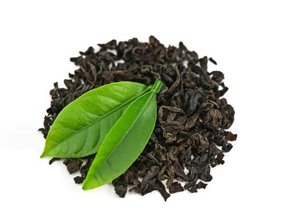
- Appearance: Fine, uniform light brown to yellow-brown powder
- Solubility: Fully soluble in water and hydro-alcoholic solutions
- Key Applications: Dietary capsules, tablets, clear functional beverages, anti-aging skincare serums
Chemical & Physical Specification Matrix (Certificate of Analysis Baseline)
The following table outlines the analytical testing parameters verified for every production lot shipped from our Gandhinagar facility:
| Test Parameter | Standard Specification | Testing Methodology | Regulatory Reference |
|---|---|---|---|
| Assay: Total Polyphenols | ≥ 95.0% (w/w) | UV-Vis Spectrophotometry | ISO 14502-1 / USP |
| Assay: Total Catechins | ≥ 70.0% to 80.0% (w/w) | HPLC Analysis | Ph. Eur. / USP Method |
| Assay: (-)-EGCG Content | ≥ 45.0% to 50.0% (w/w) | HPLC Analysis | In-House Validated HPLC |
| Caffeine Content | Standard: < 5.0% | Decaf: < 0.5% | HPLC Analysis | USP / ISO 14502-2 |
| Loss on Drying (Moisture) | ≤ 5.0% (w/w) | Gravimetric (105°C, 3 hrs) | USP <731> |
| Bulk Density (Tapped) | 0.40 g/ml to 0.65 g/ml | Tapped Density Tester | USP <616> |
| Particle Size (Mesh) | 100% passing 80 Mesh (180 μm) | Sieve Analysis | USP <786> |
| Heavy Metals (Total) | < 10 ppm (Pb <3ppm, As <1ppm, Cd <1ppm, Hg <0.1ppm) | ICP-MS | EU Regulation (EC) 1881/2006 |
| Pesticide Residues | Complies with European Pharmacopoeia 2.8.13 | GC-MS/MS & LC-MS/MS | Ph. Eur. 2.8.13 / USDA Organic List |
| Residual Solvents | Ethanol < 5000 ppm, Methanol Nil, Ethyl Acetate < 50 ppm | Headspace GC-FID | USP <467> Class 1, 2, 3 Limits |
| Total Plate Count (Microbiology) | < 1,000 CFU/g | Microbiological Plate Count | USP <2021> / EP 5.1.8 |
| Yeast & Mold Count | < 100 CFU/g | Microbiological Plate Count | USP <2021> |
| Pathogenic Bacteria (E. coli, Salmonella) | Absent in 10g / 25g | Enrichment & Selective Culture | USP <2022> |
Information Gain: HPLC vs. UV-Vis Spectrophotometric Analysis in Green Tea Evaluation
A critical technical distinction often overlooked in B2B procurement is the test method used to validate the 95% active claim. UV-Vis measuring Folin-Ciocalteu reagent reduction quantifies all reducing phenolic groups—including non-potent tannins and oxidised breakdown products. In contrast, High-Performance Liquid Chromatography (HPLC) uses photodiode array (PDA) detectors at 278 nm to isolate and quantify distinct monomeric flavan-3-ols: (-)-epigallocatechin (EGC), (-)-epicatechin (EC), (-)-epigallocatechin gallate (EGCG), and (-)-epicatechin gallate (ECG).
When requesting quotations, buyers must specify whether the 95% parameter refers exclusively to Total Polyphenols (UV) or if it incorporates specific HPLC polyphenol fractions. Phyto Life Sciences provides complete chromatographic fingerprinting for every batch to ensure formula stability and accurate dosage calculation.
3. Global Market Dynamics & Future B2B Procurement Trends (2026–2032)
The global demand for high-purity Green Tea Extract is undergoing a significant transformation driven by shifting consumer health priorities, evolving regulatory scrutiny, and advanced delivery system technologies. B2B procurement strategies are adapting to key long-term trends shaping the market:
Trend 1: Decaffeinated Pure EGCG Formulations (< 0.5% Caffeine Threshold)
While natural caffeine serves a purpose in energy and sports nutrition formulas, the fast-growing segments of nighttime recovery, cognitive health (nootropics), and cardiovascular health demand ultra-low caffeine or decaffeinated Green Tea Extract 95%. Global formulators seek EGCG concentrations exceeding 45% with caffeine levels strictly under 0.5% to avoid central nervous system stimulation and cardiovascular stress. Solvent-free water extraction followed by selective resin adsorption technology has become the gold standard for achieving high decaffeination without thermal degradation of delicate polyphenols.
Trend 2: Strict Regulatory Scrutiny on Pyrrolizidine Alkaloids (PAs) and Ethylene Oxide (EtO)
Regulatory authorities in the European Union (EFSA) and the US FDA have intensified monitoring of contaminants in botanical raw materials. Two major compliance hurdles for tea extracts are:
- Ethylene Oxide (EtO) Sterilization Elimination: EtO is classified as a mutagen and carcinogen. EU regulations prohibit any detectable EtO or its breakdown product 2-chloroethanol (< 0.02 mg/kg). Enterprise buyers must require manufacturers to utilize non-thermal, steam-sterilization or gamma-irradiation-free sanitization processes.
- Pyrrolizidine Alkaloid (PA) Controls: Co-harvesting of wild weeds alongside tea leaves can introduce toxic PAs into raw botanical supplies. Modern extraction facilities employ automated optical sorting and raw material botanical screening to guarantee PA levels below the strict EU thresholds (Commission Regulation EU 2020/2040).
Trend 3: Shift Towards Clean-Label Solvent Processing
Historically, high-percentage polyphenol isolation utilized chlorinated solvents like dichloromethane or high levels of ethyl acetate. Today’s global brand owners demand 100% clean-label extraction, relying exclusively on green solvent systems (water and food-grade ethanol). These green extraction routes ensure that residual solvent limits easily beat USP <467> guidelines while satisfying organic and clean-label consumer mandates.
Trend 4: Bioavailability-Enhanced Formulations & Micro-Granulation
Native green tea catechins, particularly EGCG, suffer from low oral bioavailability due to intestinal oxidation and rapid phase-II metabolism. Procurement managers are increasingly seeking customized physical forms—such as dust-free micro-granules and liposomal-compatible fine powders—that integrate seamlessly into advanced delivery systems (e.g., phytosome complexes, lipid nanoparticles, and direct-compressible tablet grades).
4. Enterprise Manufacturing Advantages: Why Phyto Life Sciences is the Trusted Partner
Choosing the right botanical manufacturer requires evaluating a supplier's scientific expertise, manufacturing capabilities, quality assurance framework, and regulatory track record. Phyto Life Sciences P. Ltd. brings over 25 years of specialized experience in phytochemical extraction from India to the global marketplace.

State-of-the-Art Production Facility in Gandhinagar
Our extraction hub in Gandhinagar, Gujarat, India, features fully automated SS-316 extraction loops, vacuum evaporators, continuous counter-current extractors, and low-temperature spray drying towers. This infrastructure preserves heat-sensitive polyphenolic structures, preventing thermal oxidation during mass production.
- Certified Quality Systems: GMP Certified & ISO 9001:2015 / ISO 22000 Facility
- Global Export Footprint: Trusted by B2B buyers across 30+ countries
- In-House Analytical Testing: Fully equipped HPLC, UV-Vis, GC-MS, and Microbiological Testing Laboratories
- Sustainable Sourcing: Direct agricultural partnerships ensuring 100% origin traceability from select Indian tea estates
Rigorous Multi-Stage Quality Control
Every single batch of Green Tea Extract 95% undergoes strict testing at four operational stages: raw leaf authentication, in-process extraction liquid monitoring, post-drying crude powder screening, and final packaging release. We guarantee zero batch-to-batch variation in polyphenol density and moisture content.
Zero Side-Effect & Pure Phytochemical Guarantee
Our botanical extracts are free from synthetic adulterants, artificial colors, chemical preservatives, or unapproved carrier matrices. We supply 100% natural phytochemical products backed by full Certificate of Analysis (COA), Safety Data Sheets (MSDS), and allergen declarations.
Scalable Bulk Supply & Custom Packaging
Whether you require standard 25 kg fiber drums with double food-grade polyethylene liners or custom nitrogen-flushed light-shielded packaging, our supply chain guarantees product stability during long-distance ocean and air transport.
Comprehensive Regulatory Documentation Support
We streamline the product registration process for global formulators by providing complete technical dossiers, including Flow Charts, BSE/TSE-free certificates, Non-GMO statements, Kosher/Halal certifications, and solvent residue documentation.
5. Global Procurement FAQ: Technical, Analytical, & Supply Chain Inquiries
Below are detailed responses to the most frequent technical questions asked by global procurement officers, quality assurance managers, and AI inquiry agents regarding Green Tea Extract 95% sourcing:
Answer: The difference lies in the specific concentration of monomeric catechins versus total polyphenolic compounds:
- Green Tea Extract 95% Polyphenols: Refers to a broad extract where the aggregate of all polyphenolic substances (including EGCG, EGC, ECG, EC, gallic acid, and proanthocyanidins) equals at least 95% of the total powder weight (typically tested via UV-Vis). Within this grade, EGCG content usually ranges between 45% and 50%.
- Green Tea Extract 95% EGCG: Refers to a highly purified single-monomer fraction where (-)-Epigallocatechin-3-gallate alone accounts for 95% of the extract weight (tested via HPLC). This is a specialized isolate used in high-potency clinical or pharmaceutical applications, command significantly higher manufacturing costs than 95% Total Polyphenols.
Answer: Green tea polyphenols are sensitive to moisture, light, elevated temperatures, and alkaline conditions, which can induce oxidation turning catechins into darker, insoluble brownish polymers (thearubigins). Phyto Life Sciences mitigates oxidation through three controls:
- Moisture Control: Powder moisture is strictly reduced to ≤ 5.0% using low-temperature vacuum spray drying.
- Packaging Protection: Sealed inside double-layer light-blocking food-grade polyethylene liners enclosed within moisture-barrier aluminum foil pouches or HDPE fiber drums.
- Accelerated Stability Testing: Validated per ICH guidelines (40°C ± 2°C / 75% RH ± 5% RH), ensuring a guaranteed 24-to-36-month shelf-life when stored unopened in cool, dry conditions (< 25°C).
Answer: Phyto Life Sciences uses a eco-friendly hydro-alcoholic system consisting exclusively of pure demineralized water and food-grade ethanol. Toxic organic solvents such as methanol, benzene, or chlorinated hydrocarbons (e.g., dichloromethane) are strictly excluded from our process. Residual ethanol levels are monitored via Headspace Gas Chromatography with Flame Ionization Detection (GC-FID) and maintained well below 5,000 ppm, in full compliance with USP <467> Class 3 solvent guidelines and European Directive 2009/32/EC.
Answer: Every batch undergoes stringent testing by our quality control unit:
- Heavy Metals: Screened via Inductively Coupled Plasma Mass Spectrometry (ICP-MS) for Lead (< 3.0 ppm), Arsenic (< 1.0 ppm), Cadmium (< 1.0 ppm), and Mercury (< 0.1 ppm).
- Pesticide Screening: Tested via GC-MS/MS and LC-MS/MS multi-residue screening panels, verifying compliance with more than 400 pesticides listed under European Pharmacopoeia 2.8.13 and US FDA standards.
- Microbiological Safety: Validated per USP <2021/2022>, ensuring Total Viable Aerobic Count < 1,000 CFU/g, Yeast & Mold < 100 CFU/g, and total absence of Escherichia coli, Salmonella, and Staphylococcus aureus.
Answer: Yes. High-speed automatic capsule filling machines demand specific flowability characteristics to prevent weight variation. We offer customizable physical parameters, including:
- Custom Sieving: From 60 mesh for direct compression tableting up to 100 or 120 mesh for ultra-fine suspension powders.
- Bulk Density Adjustments: Tapped density can be tailored between 0.40 g/ml and 0.65 g/ml via controlled roller compaction or granulation processes.
- Caffeine Customization: Standard caffeinated grade (3% to 7% caffeine) or Decaffeinated grade (< 0.5% caffeine).
Answer: Our standard commercial batch MOQ starts at 25 kg (1 fiber drum), with pilot-scale sample quantities (100g to 1kg) available for qualified R&D formulators upon request. Standard order lead times are 7 to 14 business days from our Gandhinagar facility, backed by complete export clearance paperwork (Air/Sea Freight Bill of Lading, COA, MSDS, Certificate of Origin, Phytosanitary Certificate).