

0%

China has become an important sourcing base for Senna Extract used in regulated botanical and wellness products. Reliable manufacturers usually combine agricultural knowledge with controlled extraction and documented testing. Their work often begins with correctly identified senna leaves or pods, harvested at suitable maturity and dried under monitored conditions.

A dependable supplier should provide clear traceability, from cultivation area to sealed finished product. Buyers may review botanical identity, active marker content, moisture, microbial limits, heavy metals, pesticides, and residual solvents. A current Certificate of Analysis adds practical confidence, but it should not replace independent verification. Good facilities commonly use standardized procedures, trained technicians, calibrated equipment, and batch records that can be inspected.

Details matter.

During supplier evaluation, examine extraction methods, packaging protection, minimum order quantities, lead times, and export documentation. Experienced Chinese manufacturers may support custom concentrations, private labeling, or technical discussions, depending on their capabilities. However, marketing language can sound stronger than the available evidence. A polished website is not proof of consistent performance.

This guide introduces China’s top Senna Extract manufacturers and suppliers through a practical purchasing lens. It considers quality systems, communication, production capacity, and transparency rather than price alone. Product suitability also depends on the destination market and intended application. Regulatory requirements can differ widely, so buyers should confirm current rules with qualified professionals before commercial use. No supplier is perfect. Careful comparison remains essential.
China Top Senna Extract Manufacturers and Suppliers

What Is Senna Extract and Why Is It Used?

Senna extract is a botanical ingredient made from the leaves or pods of Senna species. Its best-known active compounds are sennosides, which can stimulate bowel movement. This action may help relieve occasional constipation when used correctly and for a short period. It is not a suitable shortcut for weight control. That misunderstanding remains common.

In practical formulation work, extract quality matters as much as the plant name. Reliable suppliers should verify botanical identity, sennoside content, moisture, microbial limits, heavy metals, pesticides, and residual solvents. Batch records and independent laboratory testing also improve traceability. A clean brown powder is not proof of quality. It may look consistent while its active content varies.

Usage requires care. Excessive or prolonged intake may cause abdominal cramps, diarrhea, fluid loss, or electrolyte imbalance. People with unexplained abdominal pain, intestinal conditions, pregnancy concerns, or ongoing medication use should seek professional medical advice. Product labels should state the extract ratio, standardized actives, recommended serving, and storage conditions. Natural does not always mean gentle. Even experienced buyers can overlook dosage differences between leaf and pod extracts. That is why transparent documentation and conservative formulation decisions are essential when evaluating senna extract manufacturers and suppliers in China.

China’s Senna Extract Industry and Main Production Regions

China’s senna extract industry combines domestic processing with imported botanical raw materials. Senna plants prefer warm, dry climates and well-drained soil. In China, cultivation and primary sourcing are commonly associated with southern regions, including Yunnan and Guangxi. Some materials may also enter through coastal trading centers.

Yunnan offers strong experience in medicinal plant cultivation and herbal processing. Guangxi provides suitable subtropical conditions and efficient agricultural supply networks. Guangdong and other coastal areas often support extraction, packaging, and export logistics. The exact production map changes with harvest quality, weather, and raw material availability. That detail is easy to overlook.

Reliable suppliers usually control the process from leaf or pod inspection to final powder testing. Technicians check botanical identity, moisture, microbial limits, pesticide residues, heavy metals, and solvent residues. Sennoside A and B are commonly measured through HPLC analysis. A typical extract appears yellow-brown to dark brown, depending on concentration and processing conditions.

In practice, batch records matter. They connect farms, warehouses, extraction tanks, and laboratories. Experienced manufacturers also evaluate extraction temperature and drying methods, because excessive heat may affect consistency. Documentation is not always perfect. Buyers should request recent certificates, sampling procedures, and traceability records rather than relying on general claims. Supplier capability can differ significantly, even within the same production region.

China’s Senna Extract Industry and Main Production Regions

Senna cultivation and extract processing in China are concentrated in warm southern and southwestern areas. The chart shows representative annual mean temperatures for key regions associated with senna cultivation suitability. Values are rounded climatological averages rather than production-volume estimates.

How China’s Senna Extract Manufacturers Produce and Standardize Extracts

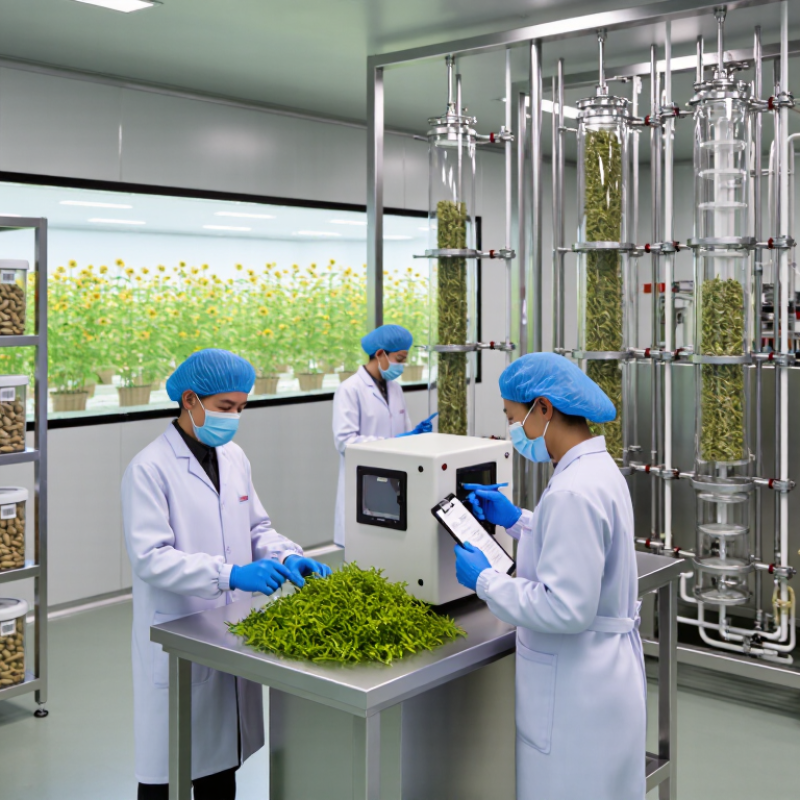
China’s senna extract manufacturers commonly begin with authenticated Senna alexandrina leaves and pods. Trained technicians check botanical identity, moisture, foreign material, and storage conditions. Dry, clean raw material helps protect sennoside stability.

Extraction methods vary by product specification. Water-based extraction is widely used for some preparations, while controlled solvent systems support other needs. Technicians monitor temperature, extraction time, filtration, and concentration. Excessive heat can reduce quality. It is a practical risk.

After concentration, the extract is dried into powder, often through spray drying or vacuum drying. Operators then test sennoside content with validated HPLC methods. Results may include total sennosides, moisture, ash, microbial limits, pesticides, and heavy metals. Each batch should have documented results.

Reliable suppliers connect testing with traceability. Production records should identify the raw material lot, processing date, equipment, and packaging conditions. Retention samples allow later investigation when results change. Batch consistency is important, but perfect uniformity is unrealistic. Crop variety, harvest timing, and weather can influence the starting material.

Experienced manufacturers therefore use defined specifications rather than visual judgment alone. Independent laboratory testing can strengthen confidence when required by the buyer. Sampling deserves special attention. A well-made test cannot represent a poorly selected sample. Suppliers should also follow applicable food, pharmaceutical, or supplement regulations in the destination market.

Key Quality, Safety, and Regulatory Standards for Senna Extract

China Top Senna Extract Manufacturers and Suppliers

Key Quality, Safety, and Regulatory Standards for Senna Extract

Selecting a senna extract supplier requires more than comparing prices. Experienced buyers should verify the botanical identity, plant part, extraction method, and country of origin. A dependable manufacturer can provide batch records, traceability documents, and a current certificate of analysis. Testing should confirm sennoside content through validated methods such as HPLC. It should also check moisture, microbial limits, pesticides, heavy metals, and residual solvents. Every result needs a clear specification and test date.

Good manufacturing practice matters. Production areas should control dust, humidity, and cross-contamination. Suppliers should maintain calibrated equipment and investigate unusual results. Stability data can help confirm quality during storage. However, a clean certificate does not replace independent review. I would still request a retained sample and compare it with the reported profile. Mistakes happen, even in organized facilities.

Tips: Ask for full batch traceability. Check the Latin name. Review storage conditions. Confirm that labels follow the destination market’s rules. Senna products may require warnings, restricted use statements, or specific dosage information. Regulatory expectations differ between countries, so local legal assessment is essential. Avoid suppliers that promise exaggerated effects or hide test limitations. A careful audit may feel slow, but it protects product quality, consumer safety, and long-term supply reliability.

How to Evaluate China-Based Senna Extract Suppliers

How to Evaluate China-Based Senna Extract Suppliers

Evaluating China-based senna extract suppliers requires more than comparing prices. Start by confirming the botanical identity, plant part, extraction method, and standardized sennoside content. Ask for a recent certificate of analysis from an independent laboratory. Check whether it includes HPLC results, moisture, microbial limits, heavy metals, pesticide residues, and solvent information. A polished certificate is not proof by itself.

Supplier experience should be visible in batch records, traceability procedures, and controlled storage. Request a sample from a commercial batch, not a specially prepared laboratory sample. Compare its color, odor, solubility, and test results against the agreed specification. Inspect packaging details, including batch numbers, production dates, tamper evidence, and moisture protection. Small details matter.

A reliable supplier should explain its quality system clearly. Look for appropriate manufacturing controls, trained staff, equipment maintenance, and documented deviation handling. Export documents should match the product and destination requirements. Confirm whether the supplier can provide stable supply across several batches. One weakness in my own evaluation is relying too heavily on documents. A factory visit, video audit, or third-party inspection may reveal practical gaps that paperwork hides. Communication also deserves testing. Ask difficult questions and observe whether answers remain precise, consistent, and supported by records.

FAQS

What is senna extract?

Senna extract is made from senna leaves or pods. Its main active compounds are sennosides. These compounds can stimulate bowel movement. Use should be brief and careful.

Why is senna extract used?

It may help relieve occasional constipation. It is not a proper weight-control shortcut. That misunderstanding remains common. Natural does not always mean gentle.

Which Chinese regions are linked with senna extract production?

Yunnan and Guangxi are associated with cultivation and primary sourcing. Guangdong and coastal areas may support extraction and export logistics. The production map can change. Weather matters.

What quality tests should suppliers provide?

Ask for botanical identity, sennoside content, moisture, and microbial results. Testing should also cover heavy metals, pesticides, and residual solvents. HPLC commonly measures sennosides A and B. Check the batch.

What documents help confirm supplier traceability?

Request batch records connecting farms, warehouses, extraction tanks, and laboratories. Recent certificates of analysis are useful. Sampling procedures should be clear. Paperwork can still hide gaps.

How should buyers evaluate a supplier sample?

Request a commercial-batch sample, not a specially prepared laboratory sample. Compare color, odor, solubility, and laboratory results. Check batch numbers, dates, and moisture protection. Small details matter.

What manufacturing details deserve attention?

Suppliers should explain extraction temperatures and drying methods. Excessive heat may affect consistency. Review equipment maintenance and deviation records. Ask difficult questions.

What safety concerns should users consider?

Excessive or prolonged intake may cause cramps, diarrhea, fluid loss, or electrolyte imbalance. People with unexplained abdominal pain or intestinal conditions need professional medical advice. Pregnancy concerns and ongoing medicines also require careful advice. Dosage differences matter.

Conclusion

Senna Extract is a botanical ingredient commonly used in carefully formulated digestive and wellness products because its naturally occurring sennosides may support short-term bowel regularity. China has developed a strong supply base for senna-based ingredients, supported by established agricultural regions, processing facilities, and export infrastructure. Manufacturers typically source and identify suitable plant materials, clean and dry them under controlled conditions, and use extraction, filtration, concentration, and drying processes to produce consistent powders or liquid preparations.

Reliable China-based suppliers should be evaluated through their raw material traceability, extraction technology, batch consistency, and documentation. Important quality controls include accurate sennoside testing, microbiological examination, contaminant screening, stability evaluation, and appropriate packaging. Buyers should also review certificates of analysis, manufacturing standards, quality management systems, and compliance with the regulations of the intended market. Clear communication, transparent sampling, dependable lead times, and technical support are further indicators of a professional Senna Extract supplier.

Clara

Clara

Clara is an accomplished marketing professional with a deep expertise in our company's product offerings. With a strong focus on delivering value through insightful content, she regularly updates our website's professional blog, sharing her extensive knowledge and innovative ideas. Clara is......